Nigerian Designers Are Building A Second Market In London
Lagos and London · Thursday 20 August 2026
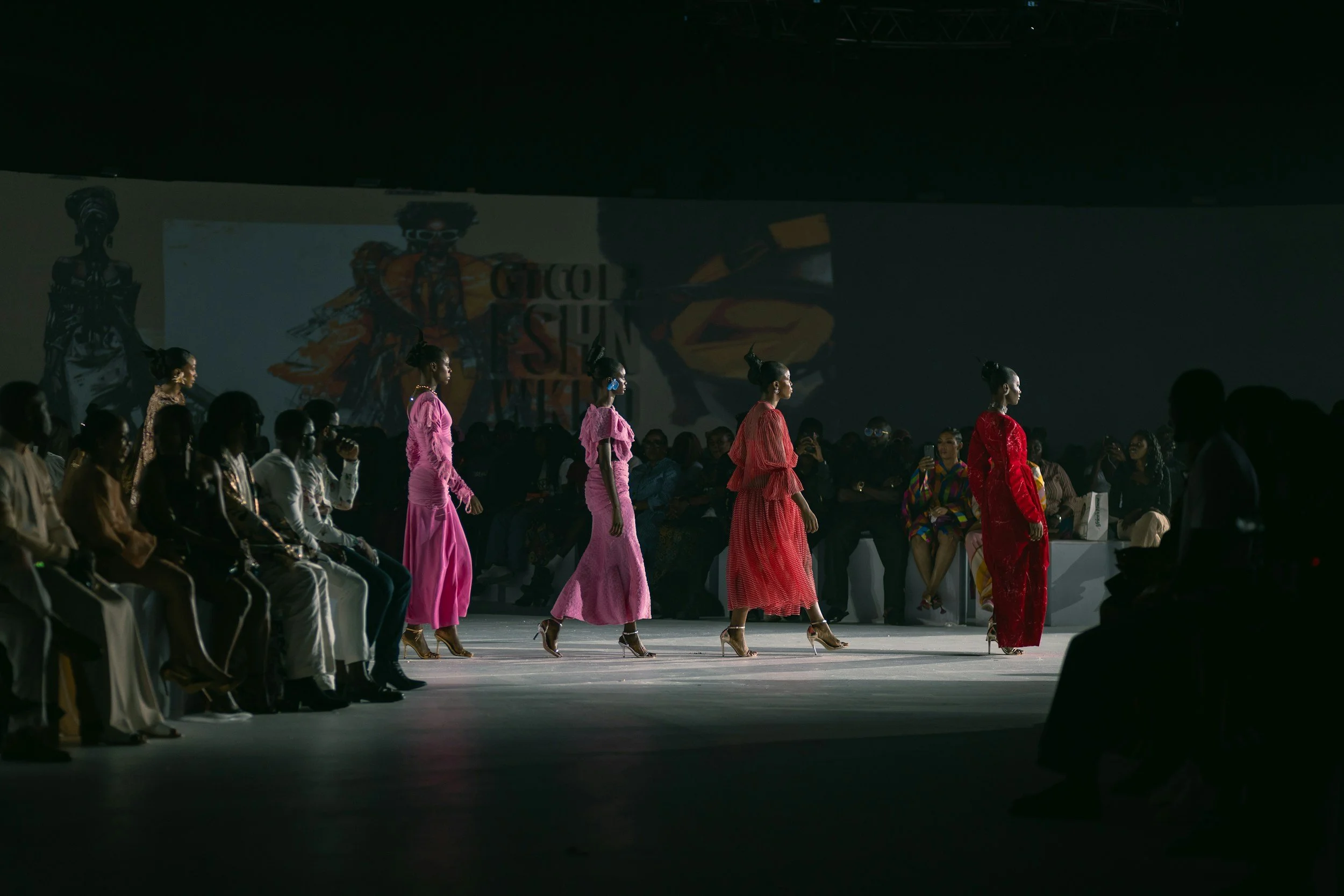
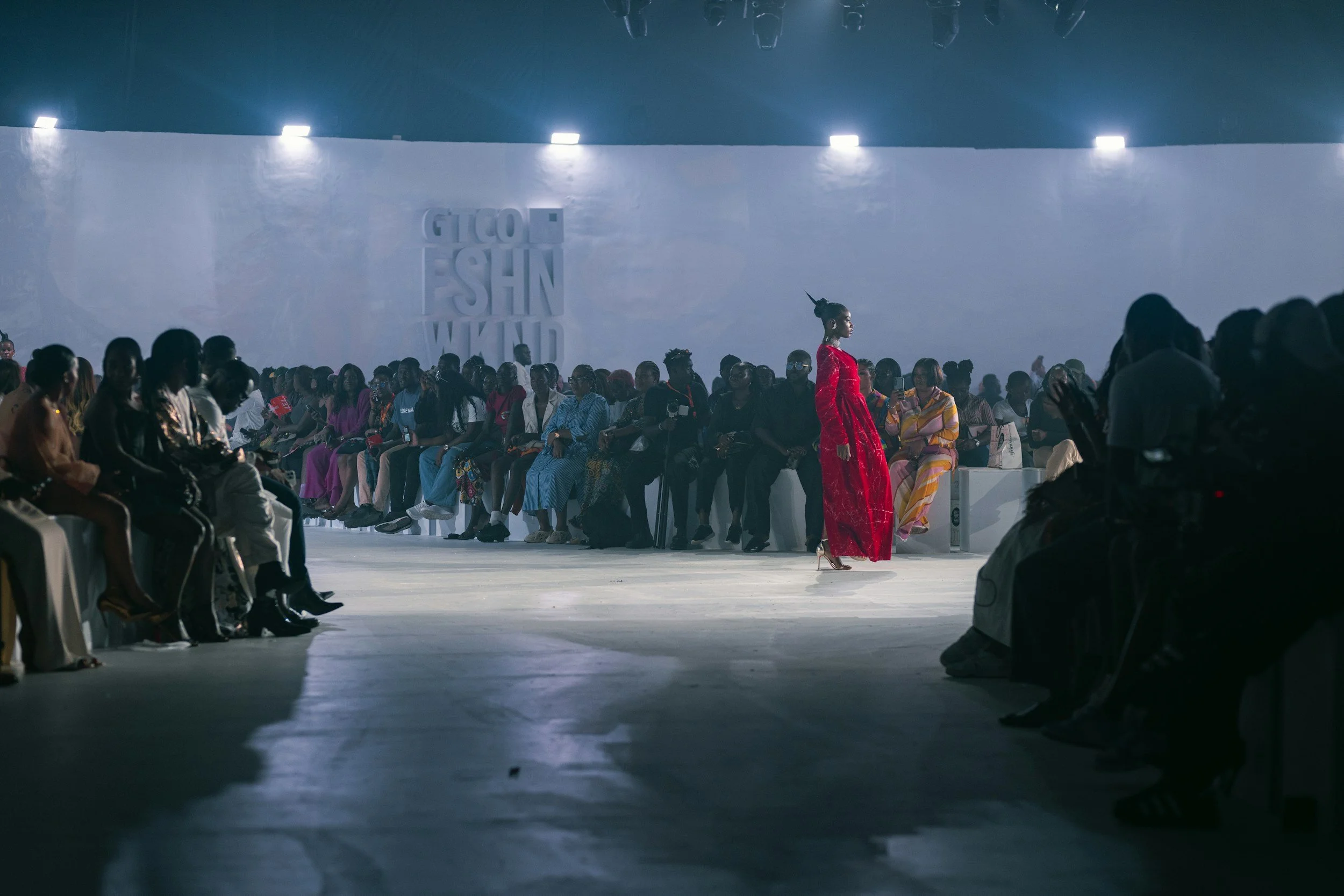
This year's Africa Fashion Week London cohort has been built around aso oke, hand-worked cloth and slow production. The event matters less for the runway than for what it is quietly assembling, which is a second market.
Nigerian fashion's problem has never been design. It has been that a designer with international demand has nowhere reliable to sell into and no way to fulfil an order when it arrives.
Why London specifically
Britain has a large, established and comparatively wealthy West African population, concentrated in London and the South East. It has the two things a designer needs in an export market: buyers who understand the product without being educated about it, and enough disposable income to pay what handwork costs.
It also has the press and retail infrastructure that converts a good collection into orders. Lagos has the design talent and the craft base. London has the buyers and the shops. The gap between them is where Nigerian fashion has been losing money for twenty years.
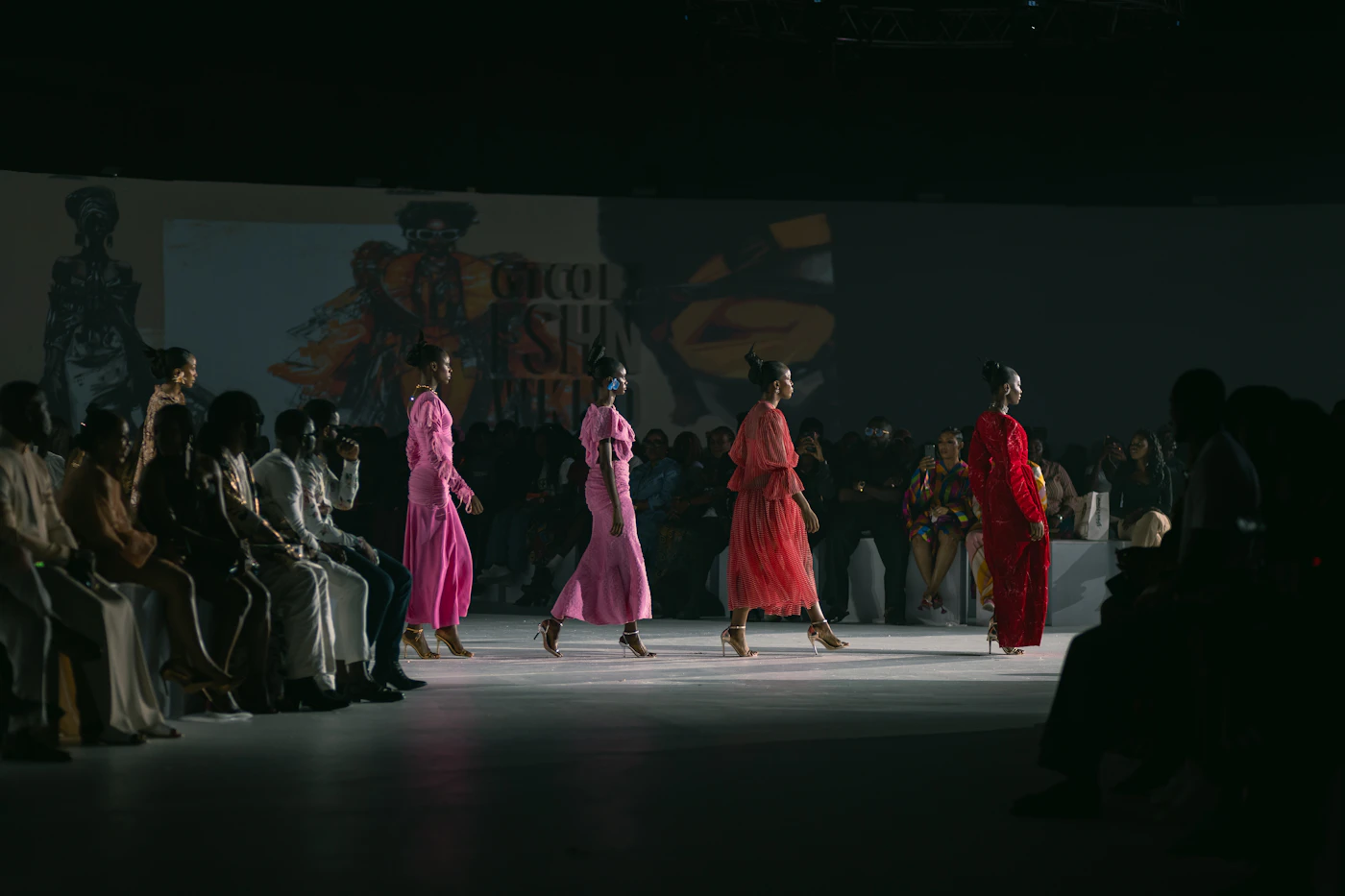
Africa Fashion Week London.
What the cohort is showing
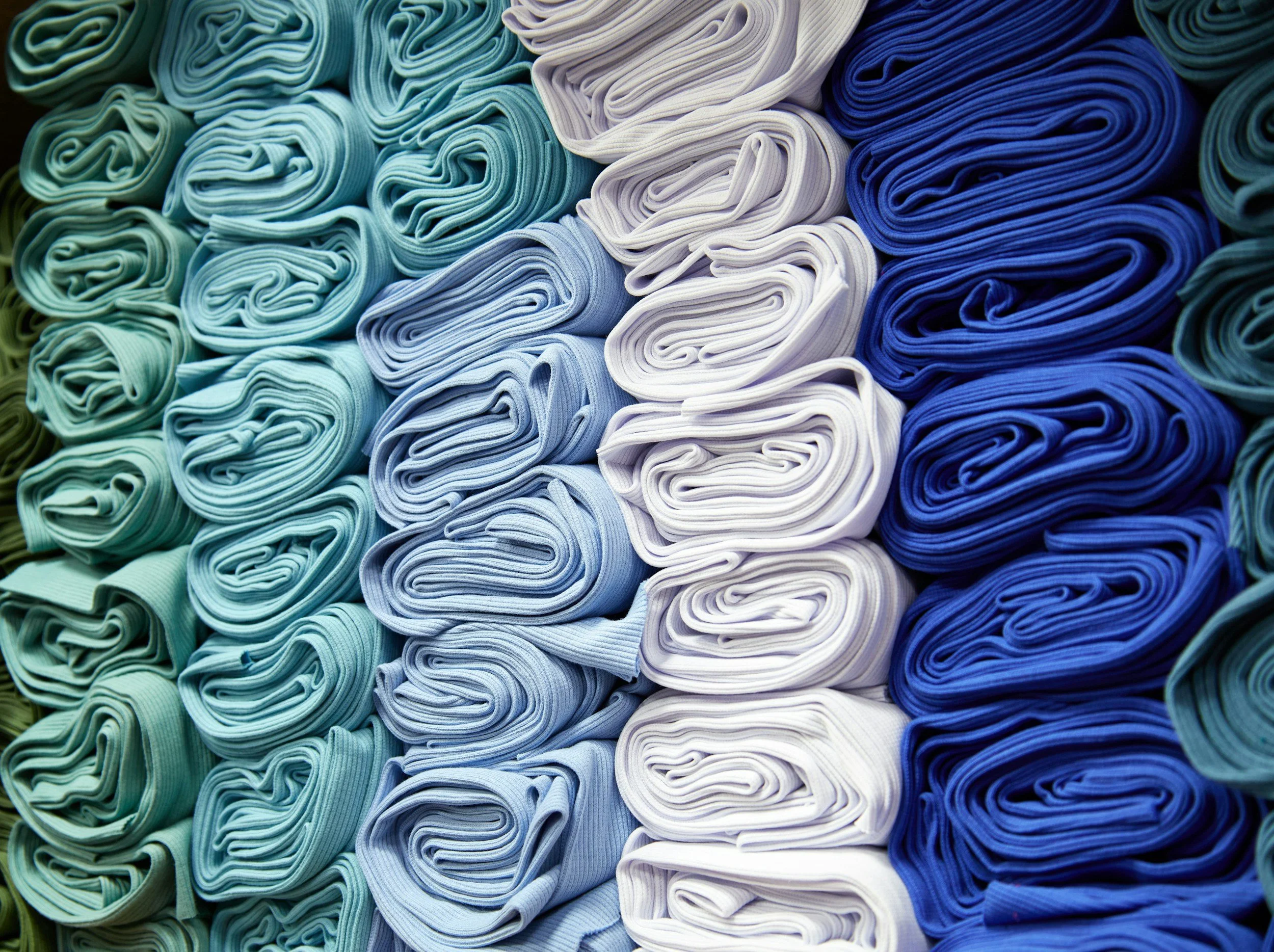
The through-line in this year's reporting is a turn towards local textile and away from imported fabric: aso oke as a primary material rather than a trim, hand-dyed cloth, and production deliberately slower than the fast-fashion calendar.
The commercial logic is straightforward. A devalued naira made imported fabric punishing to buy. Meanwhile international buyers will pay a premium for something they cannot source anywhere else, and there is no version of hand-woven aso oke coming out of a mill in Guangzhou.
Scarcity is the entire pitch, and for once Nigeria holds the scarce thing.
Lagos has the design talent and the craft base. London has the buyers and the shops. The gap between them is where Nigerian fashion has been losing money for twenty years.
The same bet, in three industries
Notice what else is happening in London this autumn.
Mo Abudu opens EbonyLife Place London in October, a 180-seat cinema dedicated to African and Black film, with a restaurant, a gallery and a retail floor around it. Nigerian musicians fill British venues on tours that are now routine rather than remarkable.
Three creative industries, the same conclusion: the domestic market is capped by incomes and infrastructure, the diaspora market is real and underserved, and owning a piece of infrastructure in London is worth more than another season of being invited to somebody else's.
That is a genuinely new posture. The older model was to seek a foreign buyer, a foreign distributor, a foreign label. The current one is to build the shop.
What still breaks it
Fulfilment, every time.
A designer lands an order from a London stockist for two hundred pieces. To make them she needs hand-woven cloth from a weaver whose capacity was sized for wedding orders, working capital to buy materials months before payment arrives, machinists who can hold consistent quality across a run, and a freight arrangement that will actually deliver on a date.
Nigerian fashion routinely fails at three of those four. And the failure is expensive in a way that is not obvious: a stockist who is let down once does not reorder, and tells others.
| Stage | Nigerian designers |
|---|---|
| Design | Genuinely world class |
| Craft base | Unique, and undersupplied |
| Working capital | Expensive or unavailable |
| Volume production | Thin, oversubscribed |
| Export logistics | Unreliable |
| Buyer access | Improving, via London |
The bottleneck has never been at the top of this table.
The version of this that works
Somebody builds shared production capacity. Not a factory owned by one label, but a facility several designers can book, with trained machinists and quality control, financed by whoever is willing to take a ten-year view.
Alongside it, trade finance that lets a designer accept an order without funding it entirely from personal savings, and a freight arrangement negotiated collectively rather than one consignment at a time.
None of that is glamorous, none of it happens on a runway, and all of it would do more for Nigerian fashion exports than another decade of shows.
Why it is worth doing anyway
Because the demand is real and it is currently being met by nobody.
The international appetite for West African textile is at its highest point in decades, the authentic supply is constrained, and the alternative to Nigeria building the capacity is a printed imitation made elsewhere, sold at a third of the price, which kills the market for the real thing within a few years. That has already happened once, to wax print, and West Africa lost that industry permanently.
London is where the buyers are. Whether Nigeria can supply them is a question that will be answered in Abeokuta and in a handful of Lagos workshops, not on a catwalk.
What aso oke actually takes
The cloth is woven in narrow strips on a hand loom, then cut and sewn edge to edge to make a wider piece. That construction is why the pattern runs the way it does and why the seams are part of the design rather than a flaw in it.
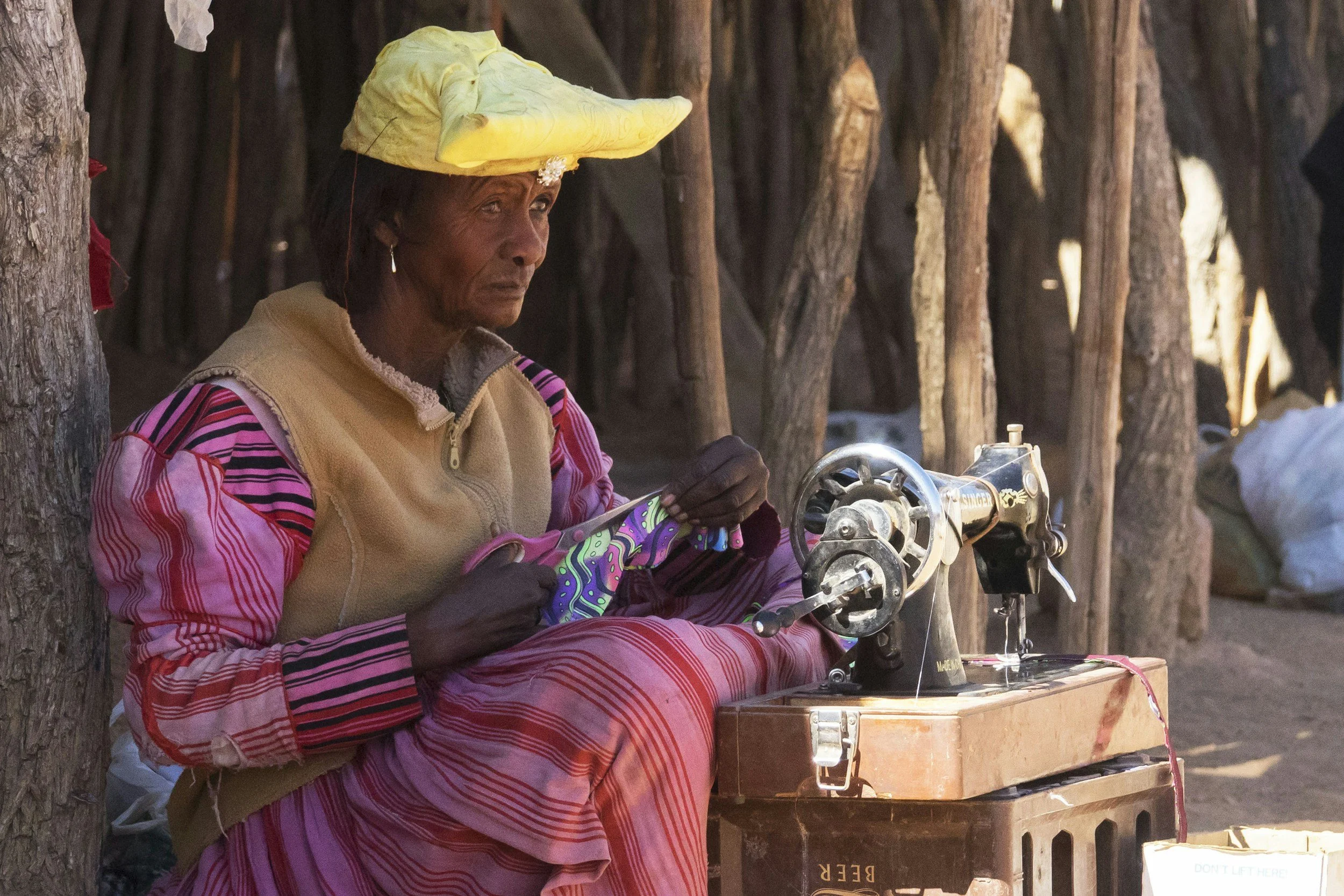
It is slow. A weaver produces a limited length in a day, the work is physically demanding, and quality varies with the skill of the individual rather than with a machine setting. A large ceremonial order has historically been distributed across several weavers, which is manageable when the buyer is a family and unmanageable when the buyer is a shop expecting consistency across two hundred garments.
That is the whole export problem in one paragraph. The thing that makes the cloth valuable, that a person made it, is the same thing that makes it hard to supply at volume.
The margin question nobody asks
When a Nigerian garment sells in a London boutique, follow the money backwards.
The retailer takes a substantial share. The designer takes a share and carries the risk of producing before payment. Freight, duty and the cost of financing the gap take more. What reaches the weaver at the start of the chain is frequently a small fraction of the final price.
That is not unique to Nigeria and it is how most craft supply chains work. It matters here because the constraint on the whole industry is weaving capacity, and capacity only grows if the person weaving can afford to train somebody. A chain that leaves nothing at the origin cannot expand.
Reporting: BusinessDay Weekender, Connect Nigeria, NigeriaMag and Africa Fashion Week London material.
Read next
- The Adire Supply Problem Is Now Nigerian Fashion's Best Opportunity
- Four Nigerians, Seven Nominations, No Wins: The BET Pattern
- Nollywood Has Discovered The Historical Epic, And August Is Full Of Them
Same idea, smaller scale: Nigerian lines on things you actually wear. The TalkTalkNigeria store ships worldwide, and Naira pricing is here.