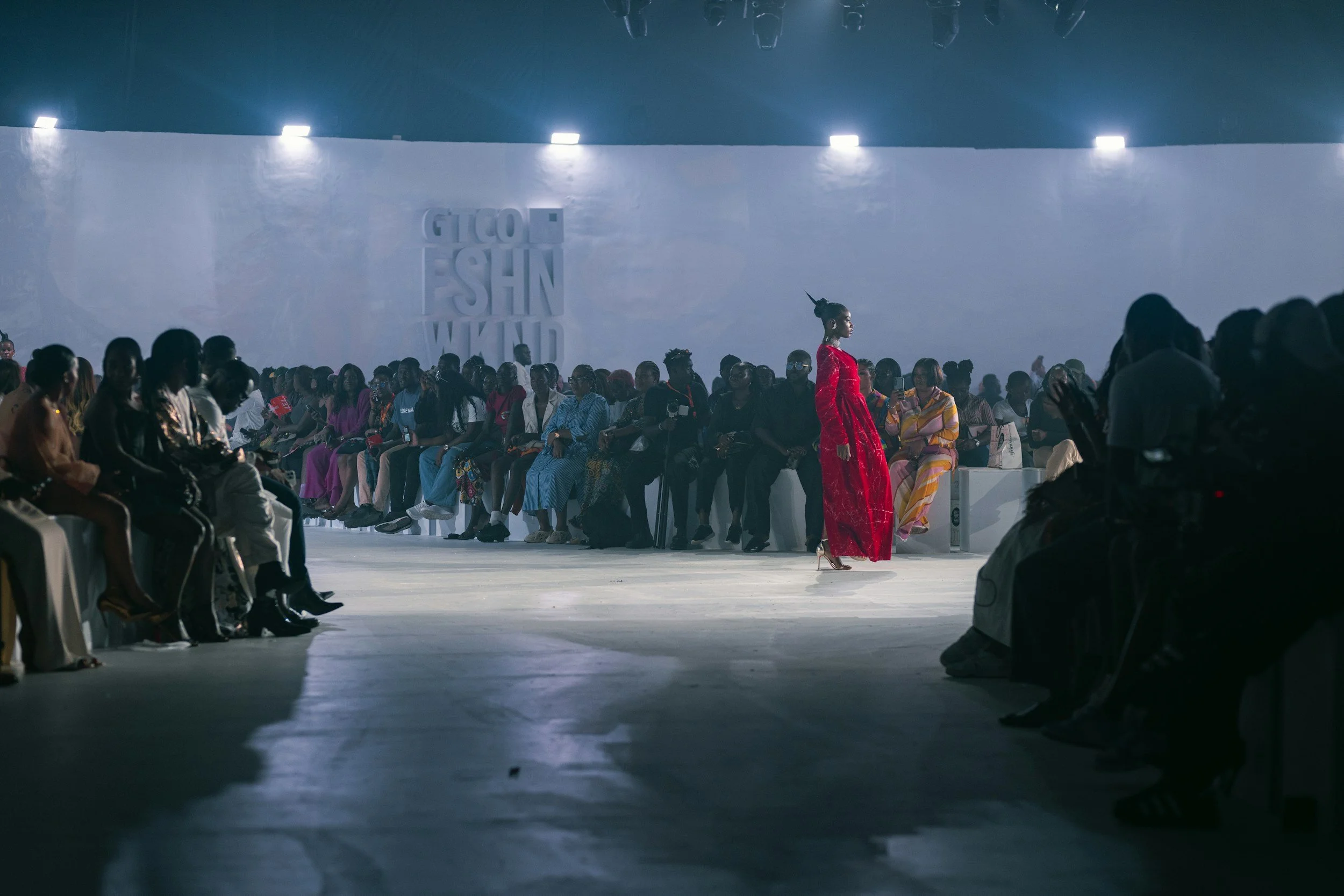
Lagos Fashion Week Returns On 28 October
The 2026 edition runs 28 October to 1 November, closing a year in which Nigerian design has had an unusually strong run on international platforms.
Lagos Fashion Week returns from 28 October to 1 November 2026, closing out a year in which Nigerian designers have had one of their strongest international runs.
What the week actually does
It is easy to be cynical about fashion weeks, and in many markets the cynicism is earned. Lagos Fashion Week has generally been more useful than most, because it performs a function the Nigerian industry cannot otherwise access.
It concentrates international buyers, press and stockists in one city for five days. For a Nigerian designer without the resources to show in Paris or the network to reach a foreign buyer directly, that concentration is the single most valuable commercial event of the year.
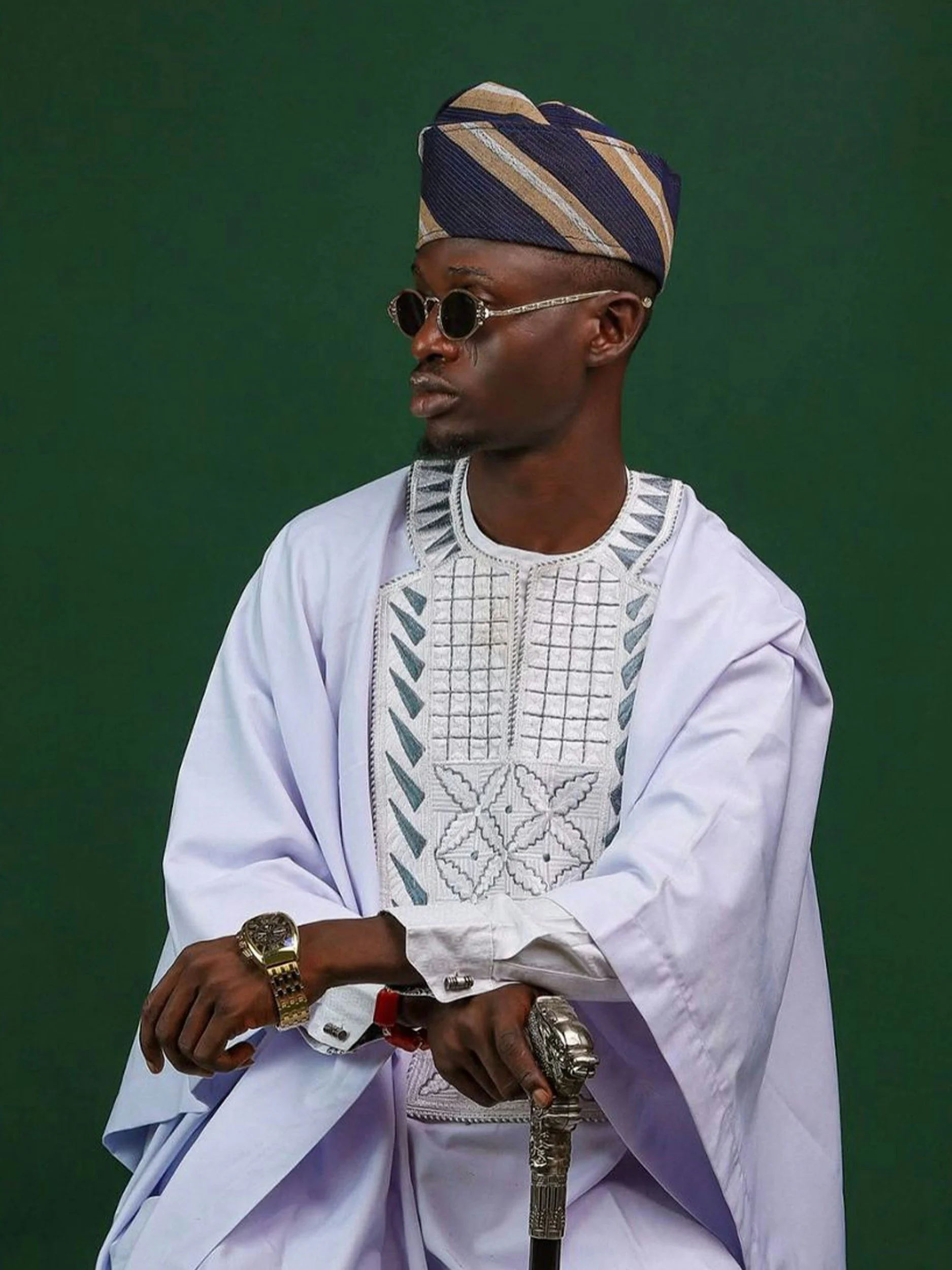
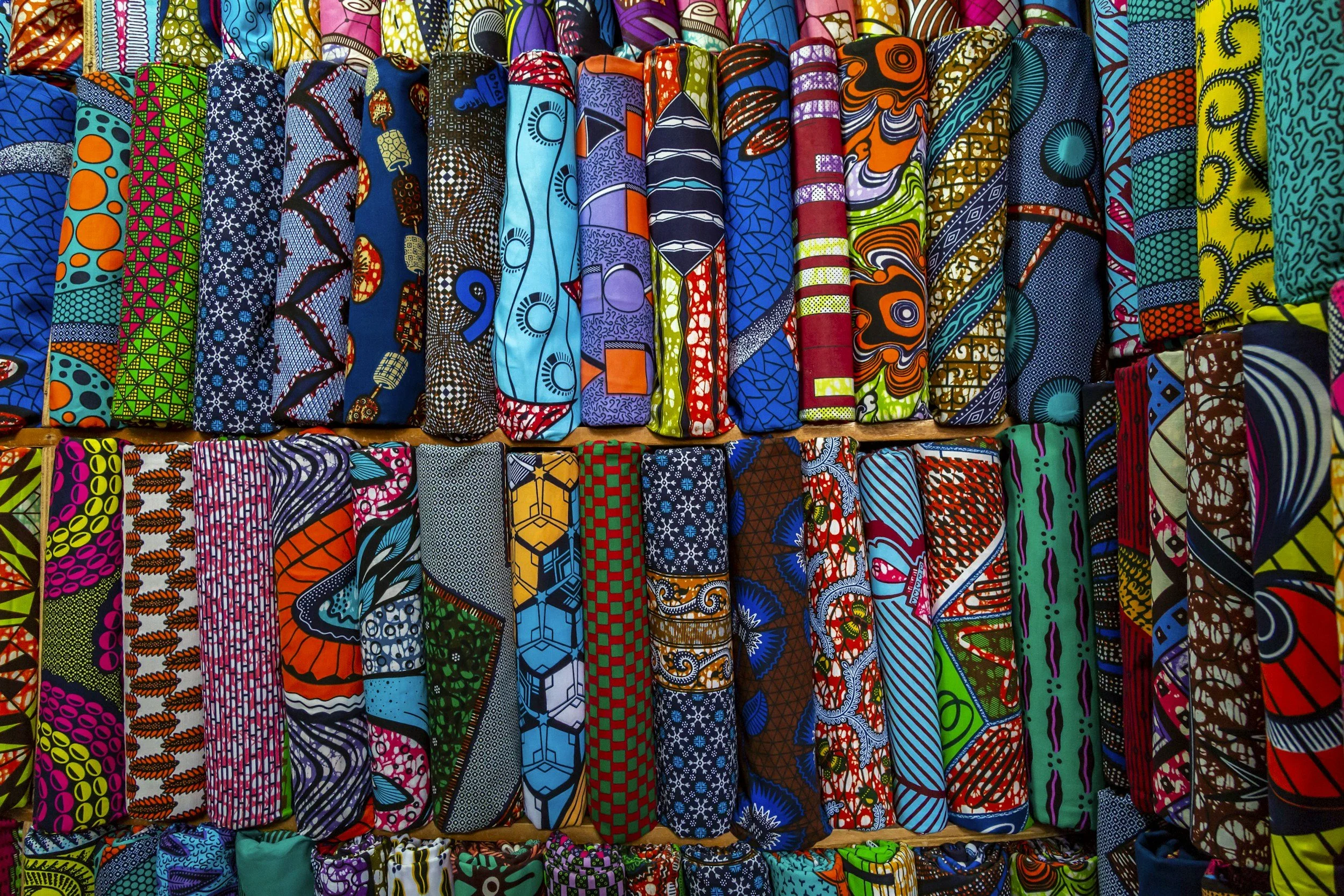
The week has also built a reputation for taking craft seriously: aso oke, adire, hand-woven and hand-dyed textiles presented as contemporary design rather than as heritage display.
The Green Access strand
Alongside the main programme, Green Access 2026 has been exploring the theme 'CRAFTED IN PRACTICE: Reimagining Craft for a Circular Future', with applications having closed on 16 August.
The sustainability framing is not a borrowed European concern. Nigerian textile production has always operated with high material reuse and long garment lifecycles out of economic necessity, and there is a reasonable argument that West African practice has more to teach the global industry on circularity than the reverse.
The commercial reality
The hardest problem for Nigerian designers is not creative and never has been. It is production capacity, working capital and export logistics.
A designer who receives a serious international order frequently cannot fulfil it: the manufacturing base to produce at volume with consistent quality is thin, financing to buy materials upfront is expensive, and shipping and customs are unpredictable.
A runway show generates the order. Everything after that is where Nigerian fashion loses money, and no amount of programming fixes it.
Sources: Lagos Fashion Week; africareimagined.
Every year Lagos Fashion Week demonstrates conclusively that Nigeria produces world-class design. Every year the industry's actual constraint goes unaddressed, because it is not glamorous and nobody gets photographed doing it.
The constraint is manufacturing. A designer who lands an order from an international stockist needs to produce hundreds of units to consistent quality on a fixed deadline. Nigeria's garment manufacturing base struggles with that, and the workshops that can do it are oversubscribed.
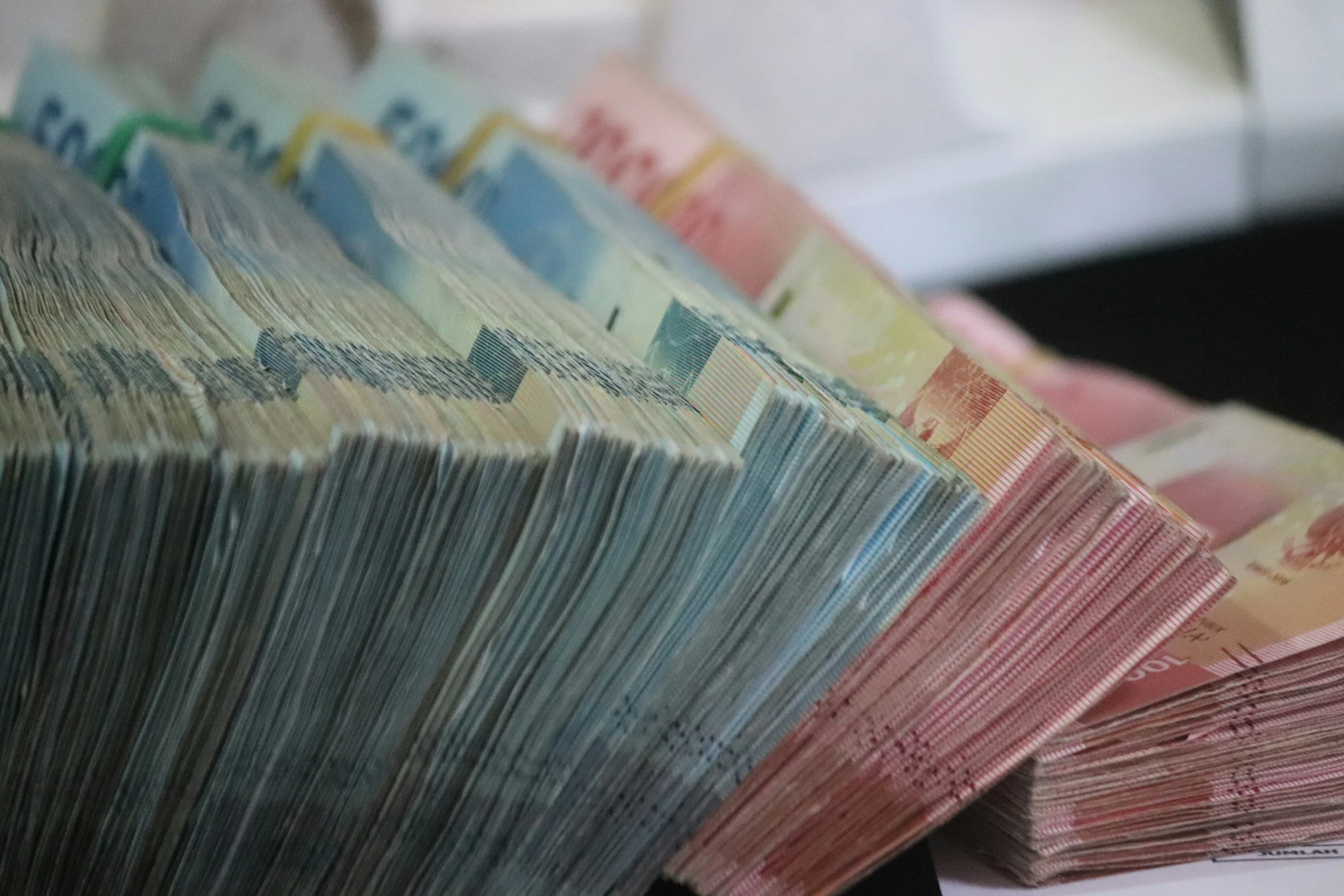
The second constraint is working capital. Fulfilling an order means buying materials and paying labour months before payment arrives. At Nigerian interest rates, financing that gap is punishing, and most designers do not have access to trade finance on any terms.
The third is logistics: export documentation, shipping cost and customs unpredictability that can make a delivery date impossible to guarantee.
Solve those three and Nigerian fashion becomes an export industry. Leave them and it remains a spectacular showcase that converts a fraction of the interest it generates.
The money going into programming would do more good going into a shared production facility.