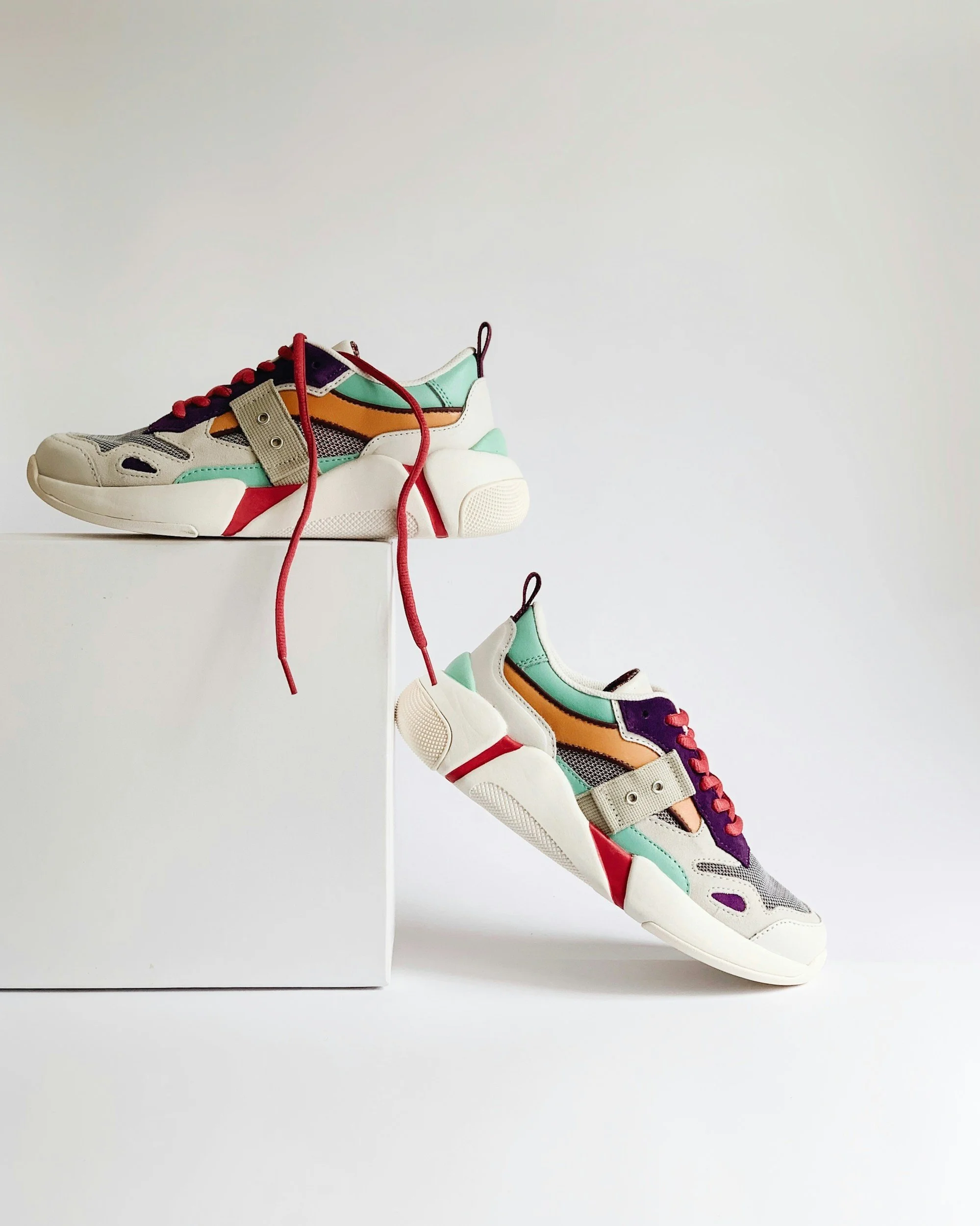
Nigerian Names Keep Turning Up On Global Sneaker Boxes
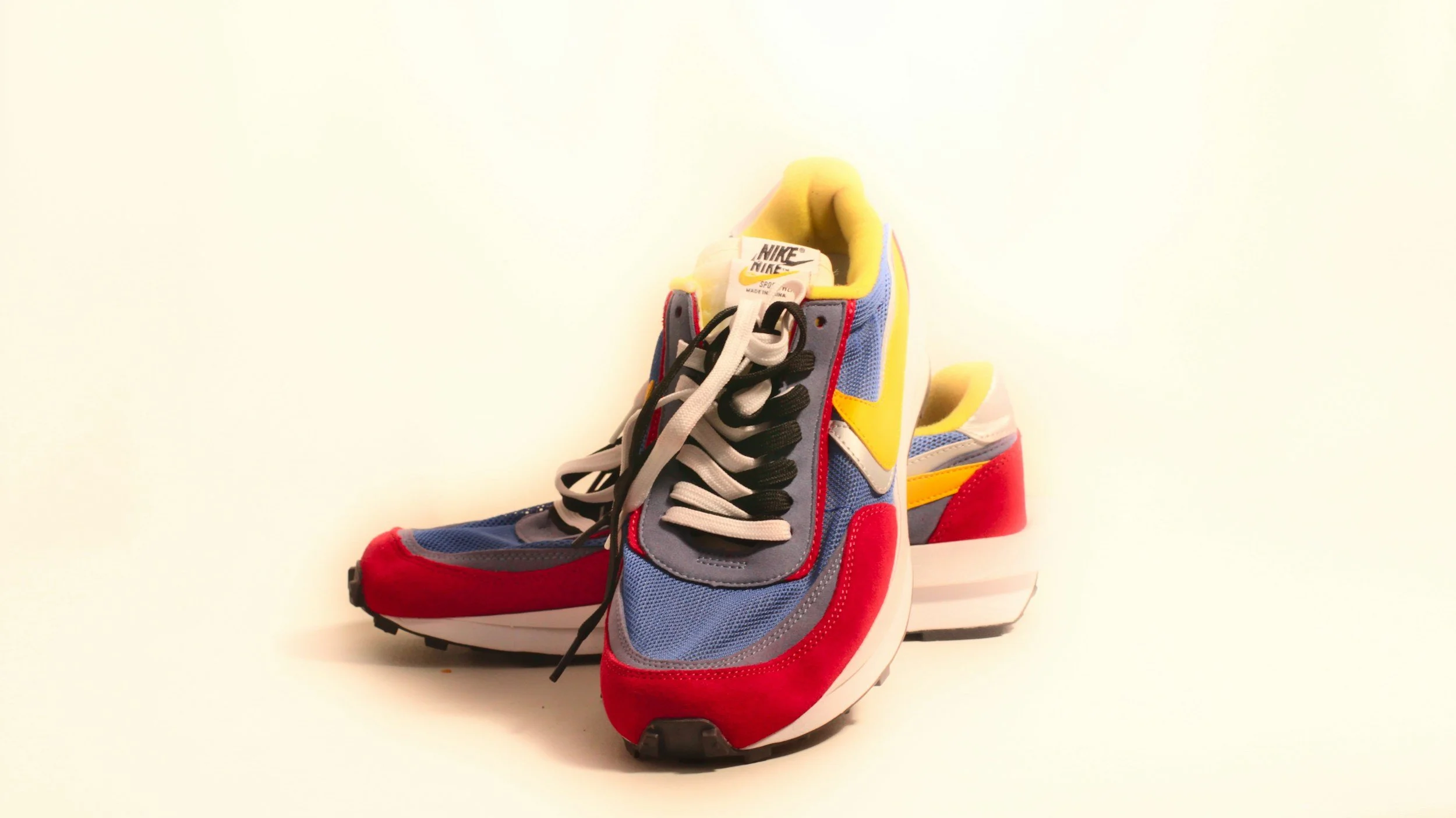
A Sperry collaboration, a signature Nike and a limited Vans line, all in the same year, all with Nigerian designers attached. Footwear has quietly become the category where Nigerian design travels furthest.
Something has been happening in footwear that has not been happening at the same rate in apparel. Nigerian designers are getting their names on global sneaker boxes, and it is now frequent enough to constitute a pattern rather than a run of coincidences.
In the same year, a Nigerian-American designer landed a first-ever Sperry collaboration, a Nigerian woman designed a signature Nike, and a Nigerian-born collective dropped a limited Vans line.
Why footwear and not clothing
There are structural reasons, and they are worth understanding because they explain a lot about how global fashion actually works.
A sneaker collaboration is a contained project. The manufacturing is handled entirely by the brand, in existing factories, to existing specifications. The designer contributes concept, colourway, materials direction and cultural narrative. They do not need production capacity, working capital or export logistics.
That is precisely the set of constraints that limits Nigerian apparel designers. Footwear collaborations route around all of them.
What the brands are buying
Cultural specificity, and they are increasingly willing to pay for it properly rather than appropriating it quietly.
Sneaker culture has become the primary vehicle through which global youth style is negotiated, and the brands compete on authenticity of association. A designer with a genuine connection to a distinctive visual culture is a scarce asset.
The risk, familiar from every previous cycle of this, is tokenism: a single collaboration, heavily marketed, followed by nothing, with the designer used as a credential rather than built into a relationship.
What would make it durable
Repeat business. The question to ask about each of these collaborations is not how well the first drop sold but whether there is a second, and whether the designer moved from a guest slot to an ongoing role.
That is the difference between a marketing exercise and a career, and it is the thing to watch over the next eighteen months.
Sources: TalkTalk Nigeria archive; brand announcements.
It is genuinely good that Nigerian designers are getting global footwear collaborations. The money is real, the exposure is real, and the work is often excellent.
But it is worth being clear about what these deals do and do not build.
A collaboration exports a Nigerian idea and imports a fee. The manufacturing happens in Vietnam or China. The supply chain, the quality control, the logistics and the retail all belong to the brand. No Nigerian production capacity is created, no Nigerian workers are employed at scale, and no domestic industrial capability is built.
Compare that with what happens when a Nigerian label successfully manufactures and exports its own product. That requires factories, trained machinists, textile suppliers, freight relationships. It is far harder and it leaves something behind.
So celebrate the sneaker deals, take the money, and do not mistake them for industrial development. They are individual wins in a global system that is very happy to buy African creativity as long as it does not have to buy anything African.