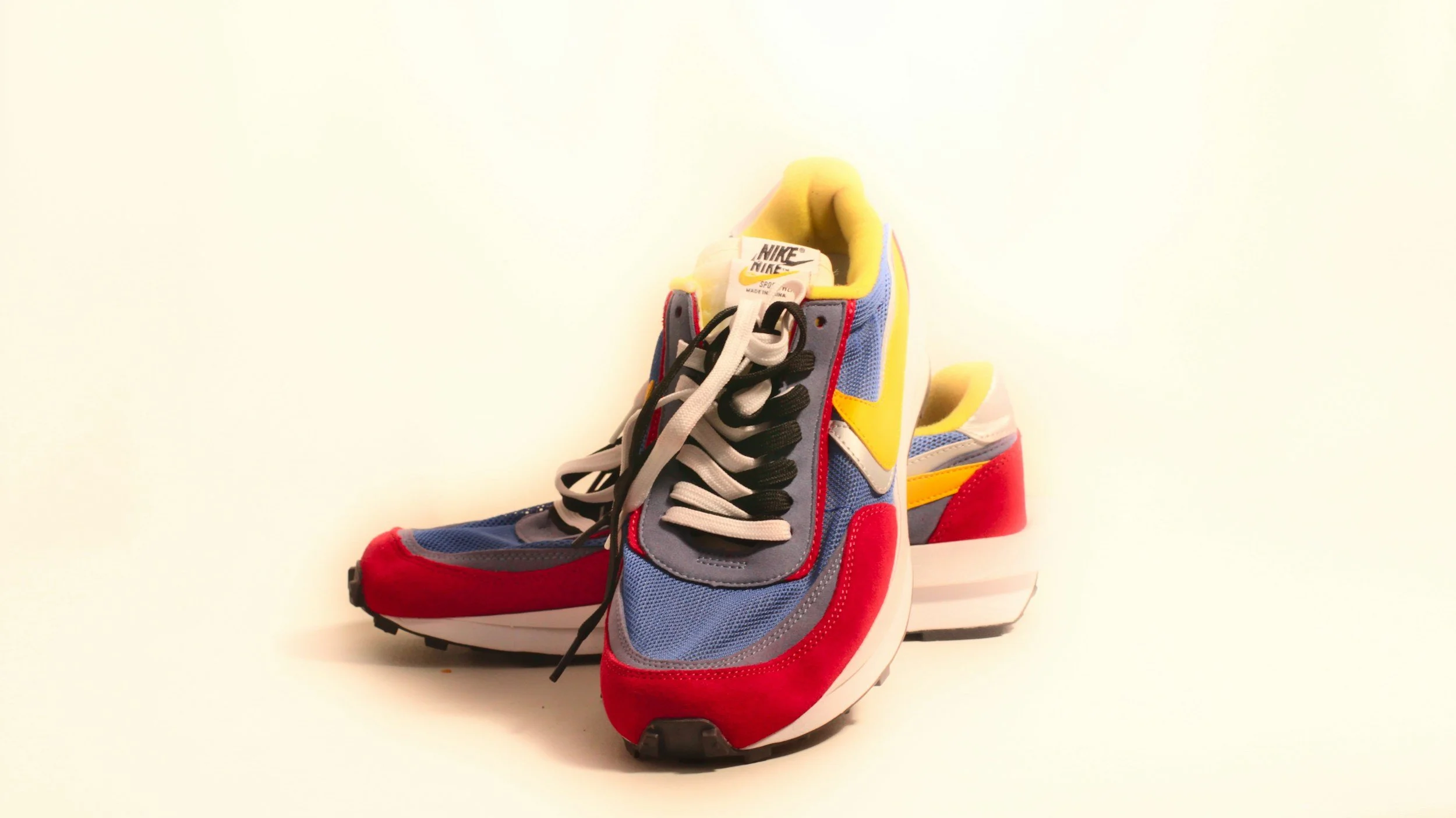
Nigerian Names Are Turning Up On Global Sneaker Boxes, One Collaboration At A Time
Sneaker collaborations live and die by scarcity and story, and this year, more of both are coming from Nigerian designers than at almost any point before. Boxes stamped with names that would have needed an introduction five years ago are now landing on shelves next to the usual roster of Western streetwear labels.
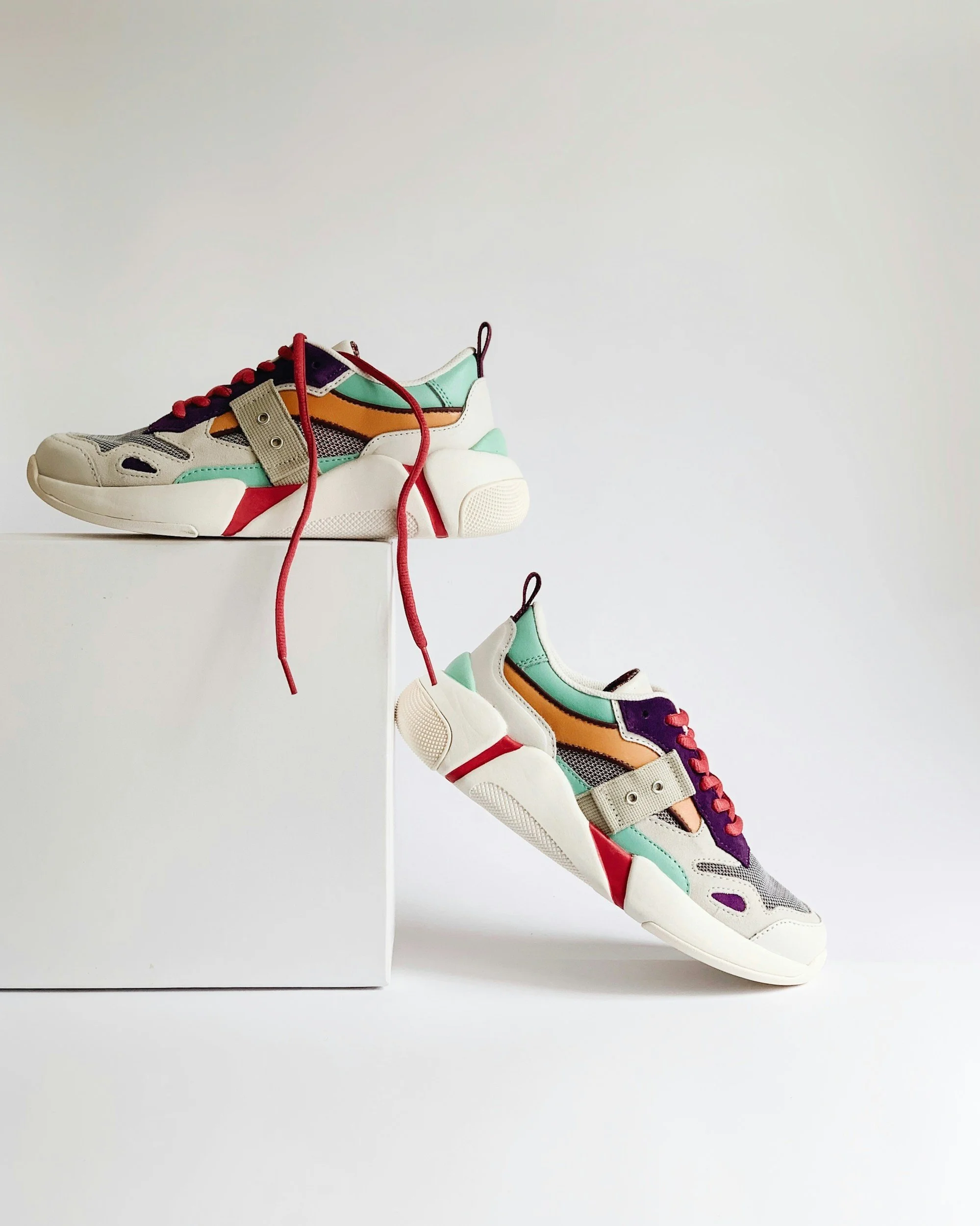
The clearest recent example: Nigerian-American designer Tobi Egberongbe and his label Mifland have partnered with Sperry for their first-ever collaboration, reimagining the brand's classic boat shoe with Mifland's colourful, architecturally inspired details, The Black Wall St Times reported. It is a pairing that shouldn't, on paper, make obvious sense — a preppy New England boating brand and a designer known for architecturally sharp, colour-forward streetwear — which is precisely what has made it stand out.
Egberongbe's collaboration did not arrive in isolation. It lands in the middle of a genuinely busy year for Nigerian names in global footwear, spanning everything from a Nike signature model to a Vans capsule collection built by a Nigerian-born London collective.
The rest of the roster
Grace Ladoja MBE became the first Nigerian woman to design a signature Nike shoe when her special-edition Air Max landed in April 2026 — a milestone that sits alongside her broader work as a cultural entrepreneur bridging Nigerian creative talent and global fashion houses. A Nike signature credit is not handed out casually; the brand's roster of designers with their own named releases remains short even after decades of collaborations.
Around the same period, Motherlan — a London-based, Nigerian-born creative collective — partnered with Vans on a limited-edition collection built around two premium styles, the Half Cab Reissue 33 and the Old Skool, alongside a companion apparel capsule. Where Egberongbe and Ladoja are individual designers with their names on the product, Motherlan's deal represents a slightly different model: a collective identity, rooted in diaspora Nigerian culture, becoming a brand a legacy skate label wants to be associated with.
Why the big brands are calling
None of this is charity. Nike, Vans and Sperry are large, deliberate organisations that do not hand design credits or collaboration slots to designers without a clear read on what those names bring — an audience, a visual language, a cultural credibility that the brand's in-house teams cannot manufacture on their own. Nigerian designers earning these slots reflects a genuine shift in whose aesthetic vocabulary global footwear brands consider worth borrowing from.
Limited-run collaborations also function as a low-risk way for legacy brands to test new design directions and reach audiences their core catalogue doesn't naturally speak to. A capsule collection can sell out in days, generate disproportionate social media attention relative to its actual production volume, and signal cultural relevance to a younger, more design-literate customer base — all without the brand committing to a permanent shift in its core aesthetic. For the designer, it is a credibility marker that outlasts the product's limited shelf life.
It also reflects years of groundwork by Nigerian creatives operating adjacent to fashion rather than strictly inside it — stylists, art directors, cultural curators like Ladoja, whose relationships with both Nigerian talent and international brands built the kind of trust that eventually turns into an actual product collaboration rather than just a consulting credit.
The homegrown side of the story
None of this is happening in a vacuum separate from Nigeria's own footwear scene, either. Domestic brands have spent years building the infrastructure this moment now sits on top of — labels like Maliko, founded by self-taught designer Ebuka Omaliko in 2015, known for handcrafted sandals and slip-ons made from recycled leather and aso-oke, and N.N.O, founded by Onyinyechi Nneji in 2020, built around sustainable, vibrantly patterned footwear rooted explicitly in Nigerian craftsmanship.
Grace Ladoja MBE became the first Nigerian woman to design a signature Nike shoe with her special-edition Air Max, released in April 2026.
These brands mostly operate at a different scale from a global Sperry or Vans collaboration — smaller runs, tighter margins, a domestic and diaspora customer base rather than a multinational retail footprint. But they represent the same underlying confidence: that Nigerian design language, materials and craftsmanship traditions are worth building a footwear brand around rather than treating as decoration on someone else's silhouette.
Where this goes next
Sneaker collaborations are, by design, temporary — most sell through a limited run and disappear, leaving behind resale value and bragging rights rather than a lasting institutional relationship. Whether 2026's run of Nigerian-designer collaborations converts into longer-term creative director roles, repeat collaborations, or genuine ownership stakes in these brands' design processes is the more interesting question sitting underneath this year's headlines.
Lagos's own street style culture has quietly fed this pipeline for years, even before the international collaborations started landing. A city where personal style is treated as a visible, competitive craft — from asoebi tailoring to streetwear layering — has produced a generation of designers fluent in exactly the kind of bold colour work and architectural silhouettes that brands like Mifland and Motherlan are now exporting onto global sneaker boxes. The collaborations making headlines this year are, in that sense, less a sudden arrival than a visible surfacing of an aesthetic that has been developing at home for a decade.
For now, what's verifiable is simpler: from boat shoes to Air Max to skate silhouettes, Nigerian names are showing up on more of the world's most recognisable footwear boxes than they were even two or three years ago. That is not a trend that reverses easily once it starts.