Eight Years Later: Genevieve Nnaji's Screen Comeback Arrives via a BBC Thriller Called 'Wahala'
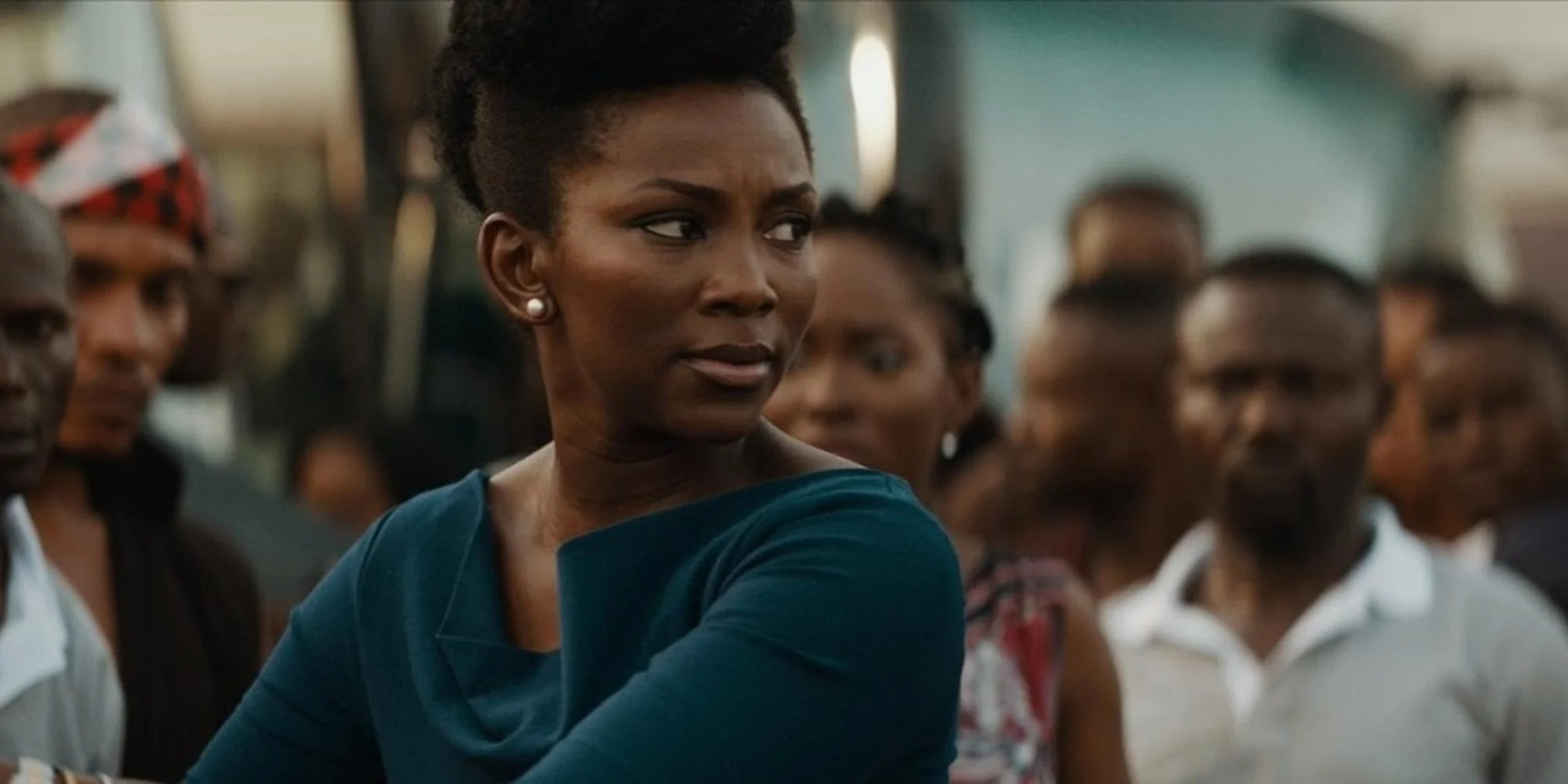
Eight years is a long time for any actress to stay away from the screen, longer still for one whose name had, for a generation of Nollywood audiences, become close to synonymous with the industry's leading-lady era. Genevieve Nnaji's return is now underway, not in a Nollywood production but in a BBC Studios thriller filming in the United Kingdom.
Nnaji has joined the cast of "Wahala," a six-part BBC One drama adapted by Theresa Ikoko from Nikki May's bestselling novel, alongside Adelayo Adedayo, Cush Jumbo and Susan Wokoma. The casting was announced by BBC Studios in May, and filming has continued in the months since, per BellaNaija.
What "Wahala" Actually Is
Set in London, the series follows three Anglo-Nigerian friends whose lives are disrupted by dark secrets — a premise that trades the London-set diaspora drama genre's usual gentleness for something closer to a thriller's tension, per the show's own billing. Nnaji's casting places her inside a cast built specifically around the Anglo-Nigerian experience, rather than as a token international addition to an otherwise unrelated British ensemble.
The series is expected to air on BBC One and stream on BBC iPlayer, though no release date has been confirmed publicly. Given that filming was still described as ongoing as recently as this summer, a 2026 premiere looks unlikely, with the series more plausibly landing sometime in 2027.
The Legacy the Comeback Sits On
Nnaji's standing in Nollywood was built over a career stretching back to childhood acting roles, through a run as one of the industry's defining leading women in the 2000s and 2010s. Her most significant recent credit before this apparent hiatus was "Lionheart," the 2018 film she starred in and directed, which Netflix acquired in a deal that made international headlines at the time for its size — and which later drew wider attention when it was ruled ineligible for Oscar consideration in the Best International Feature category over its predominantly English-language dialogue, a decision that became a genuine flashpoint in conversations about how Hollywood's award institutions define and judge non-English-language cinema.
That combination — a genre-defining acting career, a directorial debut that became a global talking point for reasons well beyond the film itself — is a large part of why her eight-year gap from the screen has been treated as a genuine industry story rather than a routine career lull. Few Nollywood figures carry that specific mix of commercial legacy and international crossover moment into a comeback.
Why Eight Years, and Why Now
Genevieve Nnaji's role in "Wahala" marks her first significant screen role in roughly eight years — a gap most closely associated with her 2018 film "Lionheart," which marked her directorial debut.
Nnaji's near-decade away from acting has been the subject of ongoing speculation across Nigerian entertainment media, with explanations ranging from a deliberate step back from performing toward directing and producing, to simply the slower pace of major project offers that match her stature. Whatever the mix of reasons, her return via a BBC-commissioned thriller rather than a Nollywood project is itself a notable choice — a comeback staged on a different industry's terms, with a different production infrastructure and a different global distribution reach than anything currently available through Nigerian studios.
It also fits a broader pattern of senior Nollywood talent using international co-productions as a route back into visibility, rather than returning first through the local industry that made them famous.
The Pan-African Comments That Followed
Around the same period as her "Wahala" casting, Nnaji publicly called for greater Pan-African film collaboration, per PM News — remarks that read, in hindsight, as a preview of her own career direction. An actress stepping back into work through a British production, while simultaneously arguing publicly for more cross-continental filmmaking partnerships, is not sending a subtle message about where she believes the industry's next opportunities actually sit.
What Her Return Means for Nollywood
Nnaji's comeback will inevitably be read, fairly or not, as a bellwether for how much pull Nollywood's biggest legacy stars still have internationally. A prominent, well-received turn in a BBC thriller would reinforce the case that Nigerian screen talent belongs on any major production's call sheet, not just projects explicitly billed as African stories. A quieter reception would complicate that case considerably.
For now, the only confirmed facts are the ones already public: the casting, the cast she's joining, the story she's stepping into, and a filming schedule with no announced end date. The eight-year wait for Genevieve Nnaji's return to the screen is effectively over. The wait to actually see it is not.
A Diaspora Story, Told From Both Sides
"Wahala" itself sits inside a growing category of British television built specifically around the Anglo-Nigerian and wider West African diaspora experience — stories told from inside that community rather than through an outsider's lens. Nnaji's casting, alongside Adedayo, Jumbo and Wokoma, gives the production a cast with genuine cross-generational credibility on that specific subject, spanning actors who built their careers primarily in the UK and one, in Nnaji, who built hers primarily on the other side of the relationship the show is dramatising.
That dual perspective may end up being the more interesting story behind "Wahala" than the thriller plot itself: a British production reaching directly into Nollywood's own leading generation to cast a role about Anglo-Nigerian identity, rather than filling it exclusively from the UK's existing pool of Nigerian-British actors. Whether that choice pays off creatively will not be clear until the series finally airs — but it is, on its own, a meaningful statement about where British broadcasters now look when a story specifically requires that level of authenticity.