250,000 Creatives, One Ministry Plan: Nigeria Bets on Fashion Hubs to Fix What Talent Alone Can't
Nigeria has never lacked for fashion talent. What it has consistently lacked, according to the government's own framing of a new programme announced this month, is the infrastructure to turn that talent into sustainable businesses at scale. Minister of Art, Culture, Tourism and the Creative Economy Hannatu Musa Musawa announced a new National Fashion and Design Hubs Programme on August 13, aimed at supporting roughly 250,000 creatives across the country.
The announcement, made via a LinkedIn post, describes a nationwide network of hubs offering training, incubation programmes, production facilities at scale, and market access both domestically and internationally, per NigeriaMag.
The Diagnosis Behind the Programme
Musawa's framing of the underlying problem is worth sitting with, because it runs against a common assumption in how Nigerian fashion gets discussed internationally — as an industry defined primarily by raw creative talent finding global recognition despite the odds. According to the minister, Nigeria's fashion sector lacks "infrastructure and systems needed to help that talent grow into sustainable businesses," not the talent itself.
That distinction matters for how the programme is designed. Rather than another showcase platform or awards structure meant to spotlight individual designers, the hubs are pitched as the connective tissue between raw creative output and an actual functioning business — production capacity, incubation support and market access, the unglamorous infrastructure that rarely gets celebrated on a runway.
The Gap Between Runway Success and Factory Floor Reality
Nigerian fashion's international visibility has grown considerably in recent years, with designers showing at fashion weeks well beyond Lagos and building followings that extend across the diaspora and into mainstream global fashion press. What has grown far more slowly, by comparison, is the manufacturing and production capacity to turn that visibility into scaled, repeatable business — the difference between a designer who can produce a stunning one-off runway piece and one who can fulfil a thousand-unit wholesale order on a fixed deadline without the operation collapsing under its own weight.
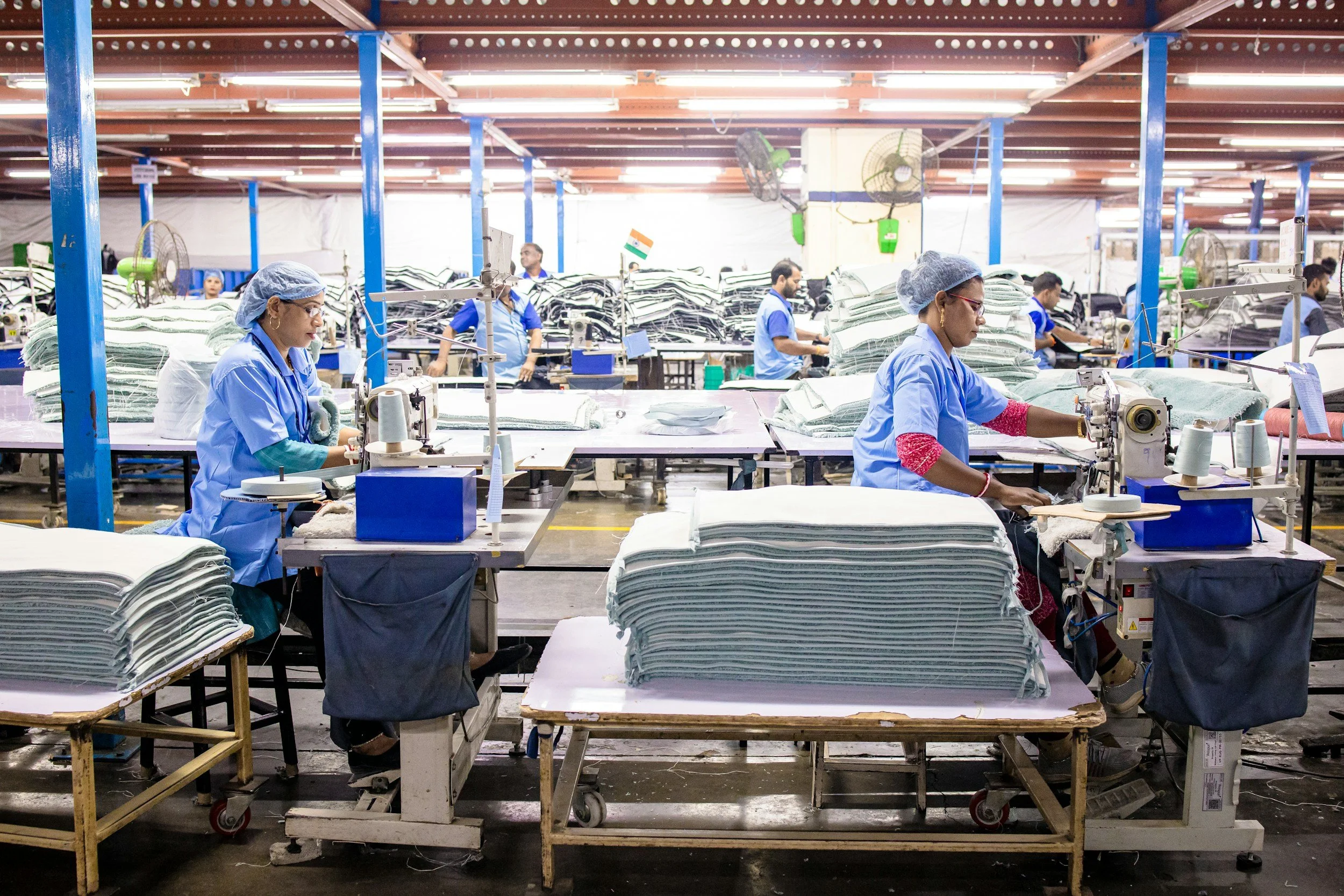
It is precisely that gap the hubs programme claims to be targeting. Production facilities at scale, in particular, address a bottleneck that individual designers, however talented or well-funded, have historically struggled to solve on their own — the capital cost of serious manufacturing infrastructure is simply out of reach for most independent Nigerian labels operating at their current size.
Who's Actually Building It
The programme's roster of partners spans government finance vehicles, a private creative-economy developer and an international philanthropic funder — a structure that suggests the hubs are meant to be financially self-sustaining rather than purely grant-funded.
The partnership structure is unusually broad for a Nigerian creative-economy initiative. Alongside the Federal Ministry of Art, Culture, Tourism and the Creative Economy sits Ananse Internet Group, credited with developing the programme's concept, operating model and financial architecture — language suggesting this was designed with commercial sustainability in mind from the outset, rather than as a purely grant-funded showcase.
Also involved are the Ministry of Finance Incorporated and the Creative and Tourism Infrastructure Corporation, both government-linked finance vehicles, alongside the Mastercard Foundation, which has committed support through the Ananse Centre for Design in Lagos specifically. That mix of government finance, private-sector programme design and international philanthropic backing is a more layered funding structure than most previous Nigerian creative-economy initiatives have managed to assemble.
What's Still Missing From the Announcement
For all the detail on partners and programme components, the announcement is notably light on two things that ultimately determine whether an initiative like this succeeds: a specific timeline and a disclosed budget. Without either, the 250,000-creative figure remains an ambition rather than a plan with milestones attached — the kind of number that sounds impressive in a launch announcement and needs considerably more scaffolding before it becomes something the industry can actually plan around.
That gap is not unusual for early-stage government programme announcements, and it does not necessarily undercut the initiative's seriousness. But Nigeria's creative sector has seen enough ambitious-sounding cultural programmes announced with fanfare and comparatively little public follow-through that a healthy amount of wait-and-see scepticism is likely to greet this one too, however credible its partner list looks on paper.
Why the Timing Fits
The announcement lands in a year when Nigerian fashion has had an unusually high international profile, from record-breaking Lagos Fashion Week seasons to Nigerian designers pushing for retail partnerships abroad. A government programme aimed at building the production and business infrastructure underneath that visibility, rather than simply riding on it, is at least aimed at the right gap.
Whether the National Fashion and Design Hubs Programme becomes the infrastructure Musawa describes, or another well-partnered announcement that quietly stalls before its first hub opens, will depend entirely on the details still missing from this week's announcement — the timeline, the budget, and the first hub's actual address.
What Designers Themselves Will Be Watching For
For the working designers this programme claims to serve, the details that matter most are the ones least likely to make it into a launch press release: how hub access is allocated, whether it favours established Lagos-based labels with existing industry connections over emerging talent from outside the major cities, and what it actually costs a designer to use the production facilities once they exist. Nigeria's fashion ecosystem is not confined to Lagos, and a genuinely nationwide network, as the programme's name promises, will be judged partly on whether it reaches designers in Kano, Enugu, Ibadan and beyond with anything close to the same seriousness as it reaches the capital's most visible names.
Musawa's ministry has set itself a high bar simply by naming a number as specific as 250,000 creatives. The programme's credibility over the coming months will rest on how quickly that figure moves from a headline in a LinkedIn post to an address, a schedule, and a designer somewhere in Nigeria actually walking through a hub's doors.