'Behind The Scenes' Is Still Nollywood's Highest-Grossing Film Ever
FilmOne confirmed it as the biggest Nigerian release of all time. Months later, no 2026 title has come close, and the film has generated a currency controversy along the way.
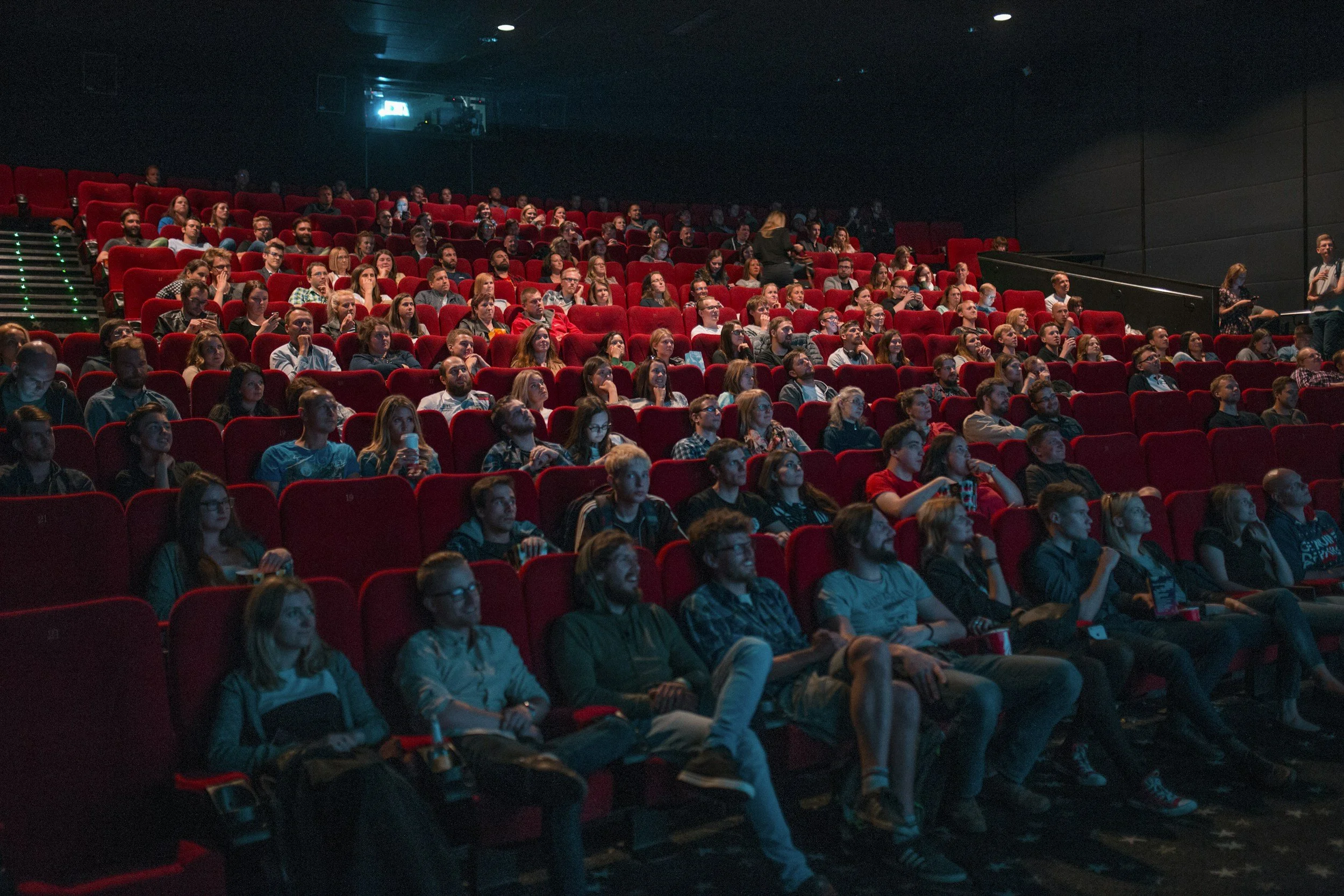
Nollywood's all-time box office record still belongs to 'Behind The Scenes', confirmed by distributor FilmOne as the highest-grossing Nigerian film ever released.
That record has held through a strong 2026, in which the best-performing new release, 'Call of My Life', has crossed ₦855 million without threatening the top of the all-time list.
The scale of the gap
What that gap illustrates is how rare a genuine breakout is. Nigerian cinema produces a large volume of films every year and a substantial number of commercially successful ones, but the titles that cross into true national event status arrive perhaps once every few years.
When they do, they behave differently from ordinary hits. They pull audiences who do not routinely go to the cinema, they sustain long runs rather than front-loading, and they generate the kind of social conversation that makes non-attendance feel like missing out.
The currency question
The film has also become the centre of a specific controversy about the handling of naira notes on screen. Funke Akindele has received a message from the authorities regarding the handling of naira in the film.
This is a recurring flashpoint in Nigerian entertainment. Abusing the naira, which in practice covers spraying, stepping on, tearing or otherwise mishandling banknotes, is an offence, and enforcement has extended to depictions in music videos, at parties and on film.
The industry's position, generally, is that a dramatic depiction of a practice is not the same as the practice. The regulator's position is that broadcast normalises it.
Why this matters commercially
Because spraying money is embedded in the visual language of Nigerian celebration, and Nigerian films are full of celebrations. Weddings, parties, launches: the imagery is culturally central, and a rule that makes it legally hazardous to depict creates a real production constraint.
Filmmakers have generally adapted by staging the shots differently rather than removing them. But it remains an unresolved tension between a cultural practice, a monetary policy concern, and an industry that depends on portraying Nigerian life as it is actually lived.
Sources: Investors King; Legit.ng; FilmOne.
There is a defensible policy interest behind the naira-abuse rules. A currency that is physically destroyed at parties costs the central bank real money to replace, and the practice has scaled.
What is not defensible is extending that enforcement to dramatic depiction. A film showing a wedding where money is sprayed is documenting how Nigerians celebrate. It is not an instruction.
By the same logic you would prosecute a film for depicting a robbery, and nobody proposes that, because we understand that showing a thing and endorsing it are different acts.
The practical result of the current approach is that Nigerian filmmakers self-censor a central piece of national visual culture in order to avoid a regulatory headache. That is a loss, and it buys almost nothing: the spraying at real weddings continues regardless of what appears on screen.
If the concern is note destruction, enforce it where notes are actually destroyed. Leave the storytelling alone.