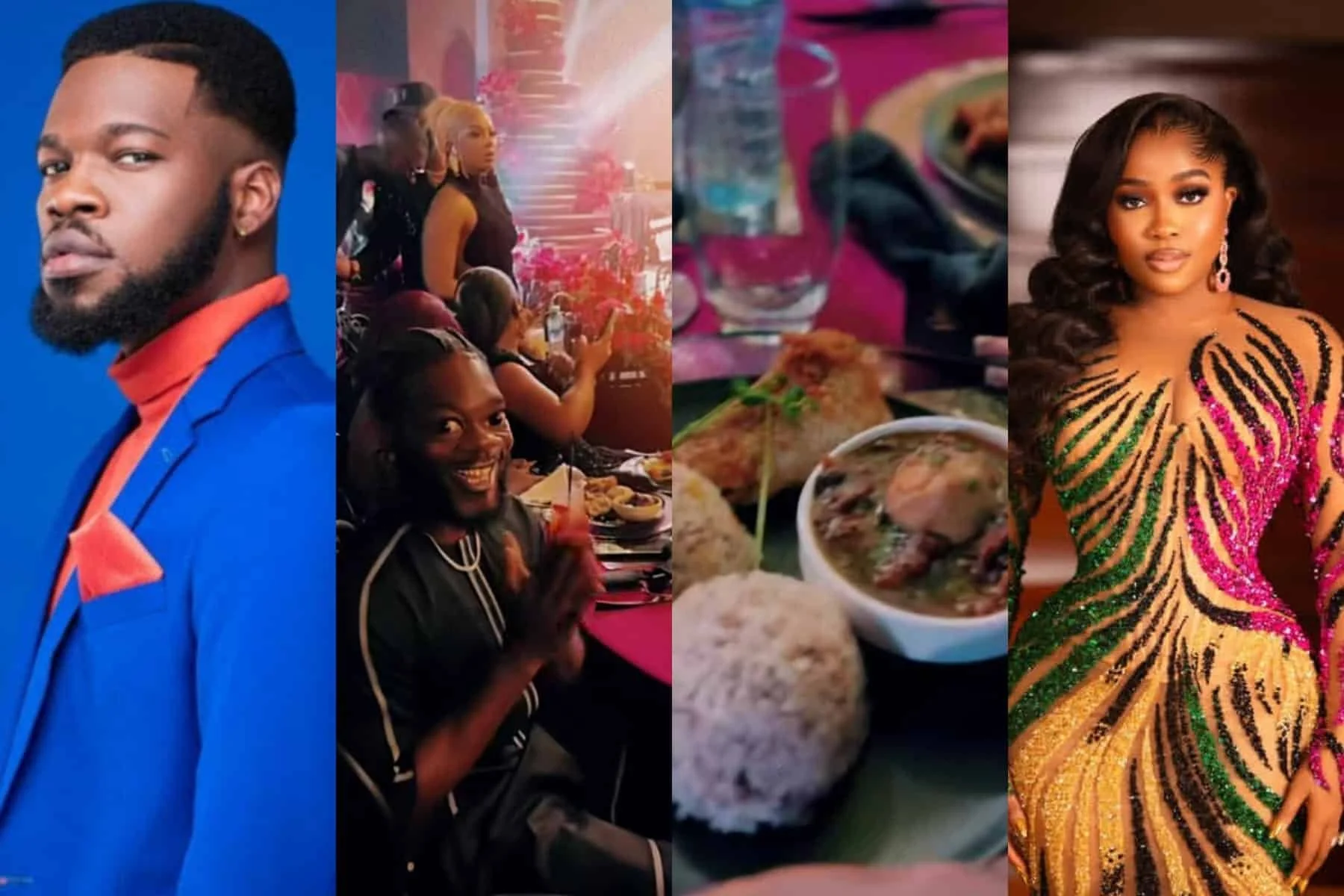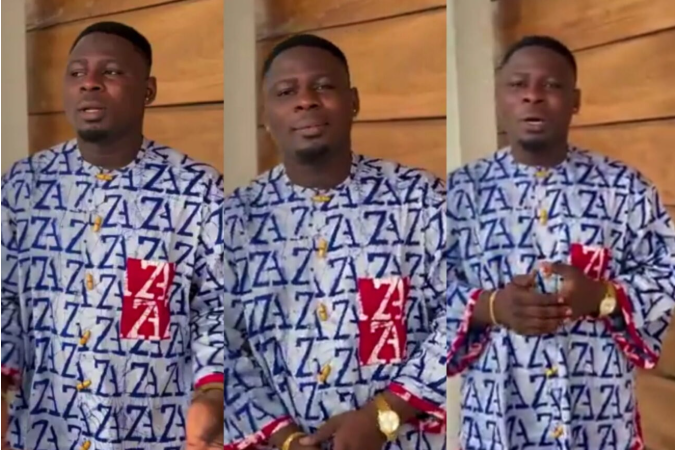
Kamo State Cancelled His Own Birthday Party And Got Applauded For It
The entertainer called off his birthday celebration citing security concerns, and the public reaction was unusually warm. It says something about the mood in Nigeria right now.
Nigerian celebrity culture is not generally rewarded for restraint. A cancelled party is usually a story about money problems, a fallout or a scandal.
So the reaction to Kamo State calling off his birthday celebration over security concerns was notable. He cancelled, he explained why, and he was praised for it.
Why that landed differently
Because the security situation is not abstract for the audience. Nigeria is living through a period in which kidnapping for ransom has moved well beyond the wealthy and the political class, and in which large publicised gatherings carry a genuine risk calculation that did not exist a decade ago.
A public figure acknowledging that, and acting on it rather than performing invulnerability, reads as seriousness. It also implicitly validates the caution that ordinary Nigerians are exercising in their own lives, which is a rarer thing for a celebrity to do than it sounds.
The alternative script
The usual move in Nigerian entertainment is the opposite. Visible extravagance is the currency of relevance, and a birthday is one of the few reliable annual opportunities to demonstrate standing: the venue, the guest list, the cars, the footage.
Opting out of that carries a cost. It removes a content moment, it invites speculation about finances, and it cedes ground to peers who did not opt out.
Doing it anyway, and saying plainly that the reason is safety, is a small act of honesty in an industry built on projecting the opposite.
The broader read
There is a shift in what Nigerian audiences reward. The appetite for pure display has not vanished, but it now competes with a real hunger for public figures who acknowledge the conditions everyone else is living in.
A celebrity who cancels a party because of insecurity is speaking the same language as a family that has stopped travelling a particular road at night. That alignment is worth more, reputationally, than any amount of footage from a venue.
Sources: Legit.ng; OloriSuperGal.
For twenty years the deal between Nigerian entertainers and their audience was aspirational. You showed a life that was out of reach, and people enjoyed watching it. The insecurity, the exchange rate and the electricity bill were things that happened to other people.
That deal is fraying. It is difficult to sustain pure aspiration as a public posture when a very large share of your audience has had a hard three years and knows exactly what things cost.
Which is why the reaction to a cancelled birthday is more interesting than the cancellation. People did not praise Kamo State for having a party or for the scale of it. They praised him for behaving like someone who lives in the same country they do.
That is a meaningful shift in the reputational economy. The entertainers who navigate the next few years well will be the ones who work out that acknowledging reality is now an asset rather than a weakness.