Mama G Has Spent Thirty Years Being The Reason You Cried
Lagos · Thursday 20 August 2026
There is a generation of Nigerians who learned what fear looked like from Patience Ozokwor's face. She has been talking again this week about why that face kept getting cast, and the answer is more interesting than the question.
Ozokwor, known to most of the country simply as Mama G, has spent a career as Nollywood's definitive antagonist. The scheming mother-in-law. The village witch. The stepmother who poisons the food. If you grew up watching Nigerian home video, you have a specific memory of her doing something unforgivable, and you probably remember it better than the plot it belonged to.
Why the same actor kept getting the same part
The straightforward answer is that she was extraordinarily good at it, which she was. Playing a villain who is genuinely frightening rather than camp is far harder than the genre gets credit for, and she could do the thing that separates real menace from performance: she played the character as though the character believed she was right.
The structural answer is about how Nollywood was financed.
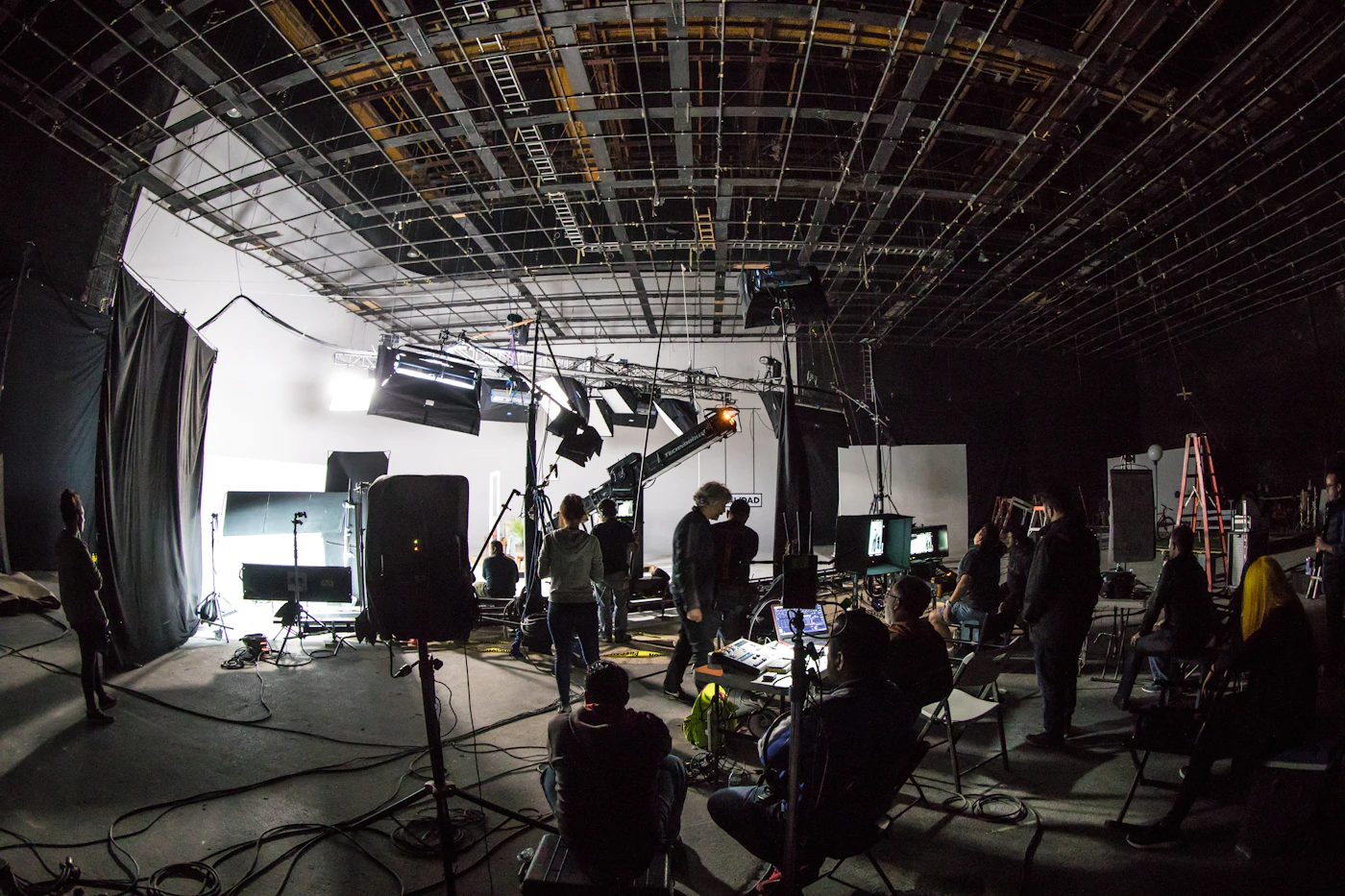
The home video boom ran on volume and speed. Films were shot in days, budgeted in the low millions of naira, and sold on cassette and then VCD through a distribution network in Alaba that took its cut and set much of the commercial logic. A marketer buying a title in that system was not buying a script. He was buying a cast, a genre and a promise that the film would do roughly what the last one did.
In a market like that, recognisable types are not lazy writing. They are risk management. The audience knows within thirty seconds who to hate, the marketer knows what he is selling, and the producer knows the film will recoup. Ozokwor was not typecast by an unimaginative industry so much as she became a genre in herself, and genres are difficult to leave.
What it cost, and what it did not
The usual arc for an actor in that position is bitterness, and it would be understandable. Range gets flattened. The parts stop arriving from anyone hoping to do something different. Awards go to performances in films with a tenth of the audience.
An extended interview with Patience Ozokwor.
What she has instead is something most Nigerian actors of her generation do not have: continuous work across three decades, and a name that carries recognition to Nigerians who have never lived in Nigeria. The films travelled on cassettes to London, Houston and Johannesburg, and she travelled with them.
She was not typecast by an unimaginative industry so much as she became a genre in herself, and genres are difficult to leave.
The part that has aged strangely
Watch those films back now and the recurring villain is almost always a woman with power inside a family. The mother-in-law who controls the household. The senior wife. The older woman with money and no husband to answer to.
That was not Ozokwor's choice, it was the writing, and it ran across the whole industry rather than any one production. But it is a real pattern, and a generation absorbed it as entertainment: female authority inside a family coded, over and over, as the thing to be afraid of.
Contemporary Nollywood has moved considerably on this, which is one of the quieter and more genuine improvements of the last decade.
Give her the credit properly
It is easy to treat an actor of this vintage as nostalgia, wheel her out for a tribute segment and applaud a career rather than a performance.
The more accurate reading is that Patience Ozokwor solved a specific technical problem better than almost anyone in the industry. She made cheaply made films with compressed shooting schedules feel like they had stakes, because the antagonist in them was frightening. Take her out of that period of Nigerian cinema and a great many of those films do not work at all.
The machine that made the archetype
To understand why the same performance kept getting commissioned, you have to understand what Nollywood was in its home video decades.
Films were shot fast, frequently in under a fortnight, on budgets that would not cover a day of catering on a European production. They were sold on cassette and later VCD, through a distribution network centred on Alaba International Market, and the marketers who bought titles carried most of the commercial risk. That gave them most of the creative influence.
A marketer's incentive is repeatability. He is not commissioning art, he is buying a product he can predict, and prediction in that system meant recognisable faces attached to recognisable functions. If a film with a wicked mother-in-law sold, the next film needed a wicked mother-in-law, and preferably the same one.
That is how a national archetype gets built: not by a decision anybody made, but by thousands of small commercial choices pointing the same direction.
Why the villain carried the film
There is a technical reason the antagonist mattered so much in those productions, and it is worth stating because it explains the whole era.
With no money for locations, effects, stunts or extended shooting, a home video film had almost nothing to generate tension with except performance. No score to speak of. No coverage to cut around a weak take. Frequently a single camera and available light.
In those conditions, the antagonist is the film's entire engine. If the audience is not genuinely unsettled by her, there is nothing else in the production to hold them. A great many Nigerian films of that period work at all only because somebody in them was frightening enough to carry ninety minutes on a face.
The economics that changed
Two things ended the system that created the archetype.
The first was piracy, which destroyed the cassette and VCD margin and with it the marketers' ability to finance production at volume. The second was the arrival of cinema exhibition and then streaming, which brought different money, longer schedules and commissioning editors who wanted something other than what had sold in Alaba.
Contemporary Nigerian film is a different craft: bigger budgets, proper post-production, international distribution ambitions, and characters written with interiority rather than function. The gain is obvious in the finished work.
The loss is less discussed. The old system made enormous numbers of films and gave enormous numbers of people work, and it was accessible to performers with no connections and no training who could simply be good. The current system makes better films and far fewer of them, and it is considerably harder to break into.
What we owe the era
Nigerian cinema's international standing did not begin with the streaming deals. It began with cassettes that travelled in suitcases to London, Houston, Johannesburg and Kingston, and built an audience for Nigerian storytelling in places no distributor had targeted.
The actors who carried those films built that audience on the industry's behalf, in productions that paid them a fraction of what the reach was worth, and mostly without residuals of any kind.
Which is the note to end on. The affection Nigerians have for Mama G is genuine and it is earned. It is also, in a small way, a debt. She was one of the people who made the product travel, at a point when nobody involved had any idea it would.
Reporting: Pulse Nigeria, TheNET and archival interviews with Patience Ozokwor.
Read next
- N2.7 Billion Across Three Films, And Funke Akindele Is Not Finished
- Nollywood Has Discovered The Historical Epic, And August Is Full Of Them
- The VMAs Have Quietly Dropped Best Afrobeats
Gist is basically a national sport. The Gist Has Entered The Chat tee says it out loud, and the rest of the store is here. Naira pricing.