
Johnny Drille Calls Out Church for Neglecting Conversations About Love
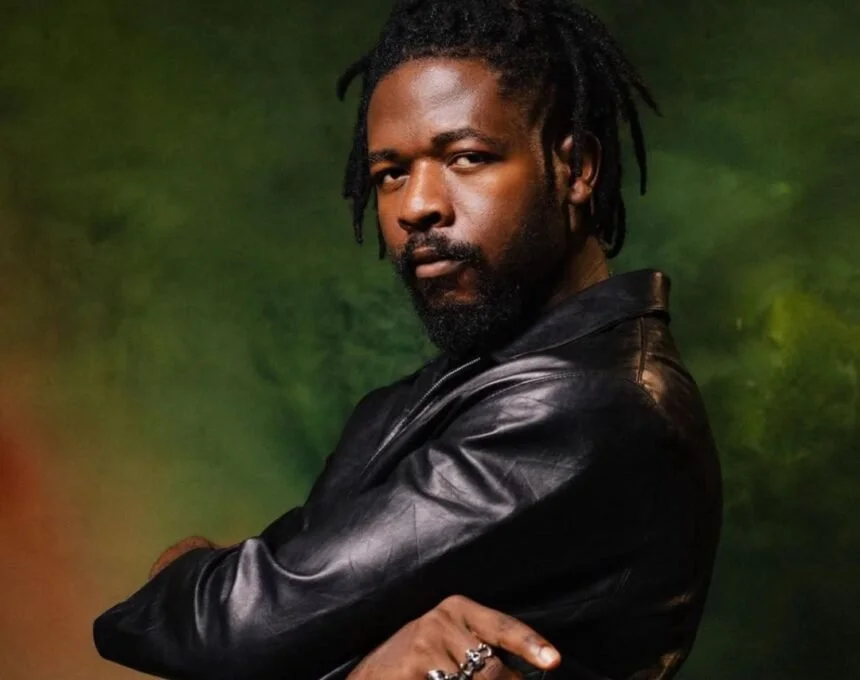
Popular Nigerian singer and songwriter Johnny Drille has voiced his frustration with sections of the Christian community who criticize him for performing in churches.
Speaking on the CreativiTEA podcast, the Mavin Records artist — known for his soulful and message-driven songs — expressed disappointment over the backlash he receives whenever he performs in church settings.
Despite being a devoted believer himself, Johnny Drille explained that his music, while positive and inspiring, doesn’t fit into the narrow box of what some Christians consider “church music.”
“I love God and I’m very much involved in church, but I never really felt my music was for church,” he said. “Sometimes I get invited to perform in church, which is quite interesting. I’ve gotten some backlash from the Christian community whenever I perform in churches. But the truth is, my music spreads positivity. It touches the issues the church tries to avoid.”
The singer went further to argue that the church often neglects conversations about love, a theme he believes is both important and spiritual.
“The church shies away from talking about love,” he added. “You go to Christian weddings and hear Davido or Wizkid songs. What if the church decides to start doing their own Christian love songs?”
💭 Opinion: Johnny Drille’s Bold Truth About the Church and Love
Johnny Drille’s words strike at a long-overdue conversation in the Christian community — one about how the church approaches love, art, and real human emotions.
For too long, many churches have treated the topic of romantic love as something secular, leaving it for mainstream music to define. Yet, as Johnny rightly points out, love is divine — it is the very heart of God’s nature. If so, why then should songs about love be viewed as “unholy”?
The irony is clear: churches often play secular love songs at Christian weddings while condemning artists like Johnny Drille, whose lyrics are thoughtful, clean, and value-driven. This reveals a gap — not in faith, but in understanding that spirituality also embraces emotion, affection, and connection.
Music has always been a bridge between the divine and the human. By avoiding conversations about love, the church risks creating an emotional disconnect for young Christians who want to express affection in a healthy, godly way.
Johnny Drille’s courage to speak up is refreshing. It reminds us that faith and love are not rivals; they are partners in truth. Perhaps it’s time for the church to open its heart — and its playlist — to songs that celebrate love with purity and purpose.
Because, truly, if God is love, then singing about love shouldn’t be a sin — it should be an act of worship.