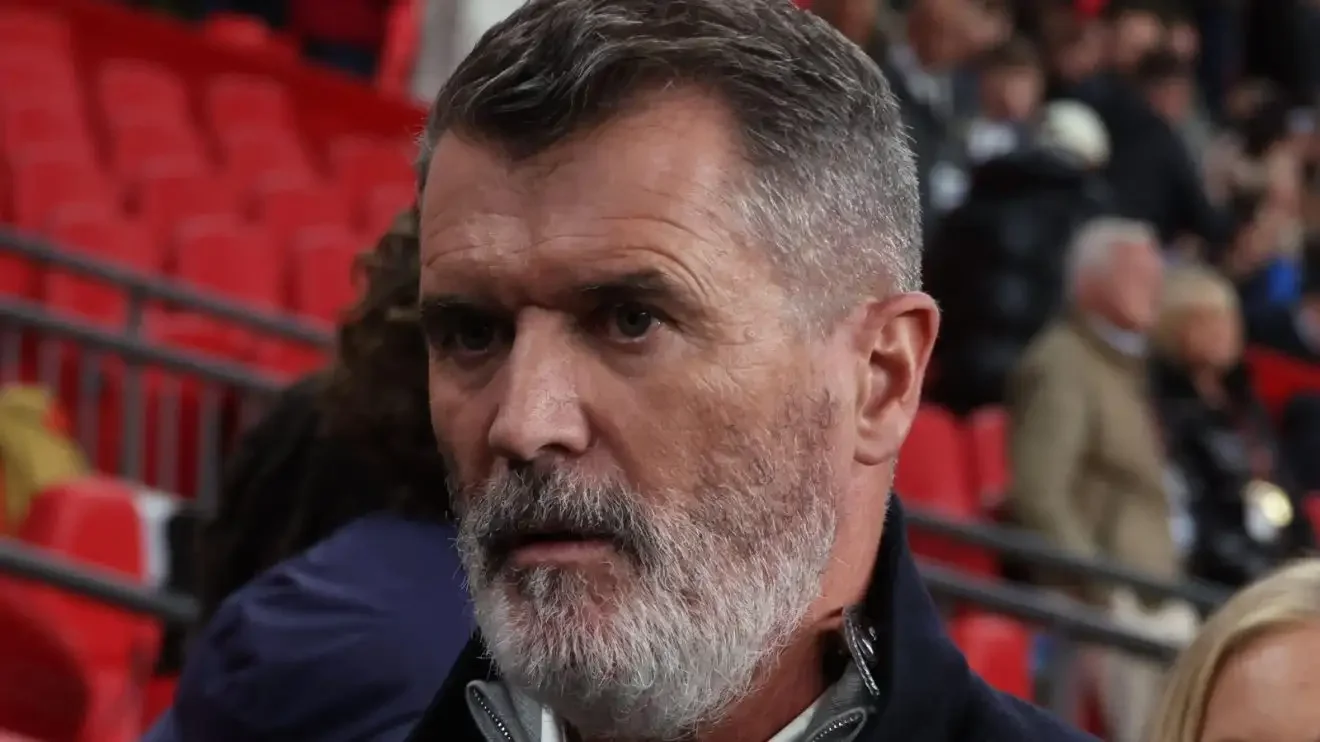
Roy Keane Slams Manchester United’s 2000 FA Cup Withdrawal: “We Should Be Pretty Ashamed”
Former Manchester United captain Roy Keane has reignited discussions about one of the most controversial decisions in the club’s history — their withdrawal from the FA Cup in 2000.
Speaking on The Stick to Football podcast alongside fellow United legend Gary Neville, Keane admitted that the team should feel “pretty ashamed” about pulling out of the historic competition, calling the move “mad” even in hindsight.
“When you think of it when we were at United, we should be pretty ashamed because we pulled out of the FA Cup,” Keane said. “I know it wasn’t down to us, but we accepted it as players. How mad was that — your team pulling out of the FA Cup?”
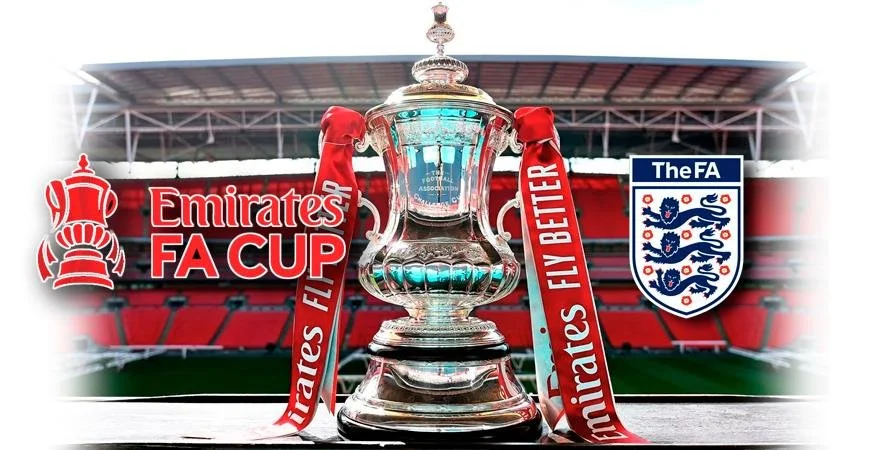
In 2000, Manchester United — then defending FA Cup champions — accepted the FA’s offer to skip the competition in order to participate in the inaugural World Team Championship (now the FIFA Club World Cup). The Football Association believed United’s participation would boost England’s bid to host the 2006 World Cup, a decision that drew widespread criticism from fans and pundits alike.
While Chelsea went on to lift the trophy that year after defeating Aston Villa in the final, the incident left a lasting dent in United’s relationship with English football traditionalists.
Neville also reflected on the moment, saying:
“I think one thing that was definitely better back in the day was the FA Cup. That was magic when we were playing.”
Keane, who won the FA Cup four times with United, added that the competition’s prestige has begun to return in recent years, though the 2000 withdrawal remains an uncomfortable memory in the club’s proud history.
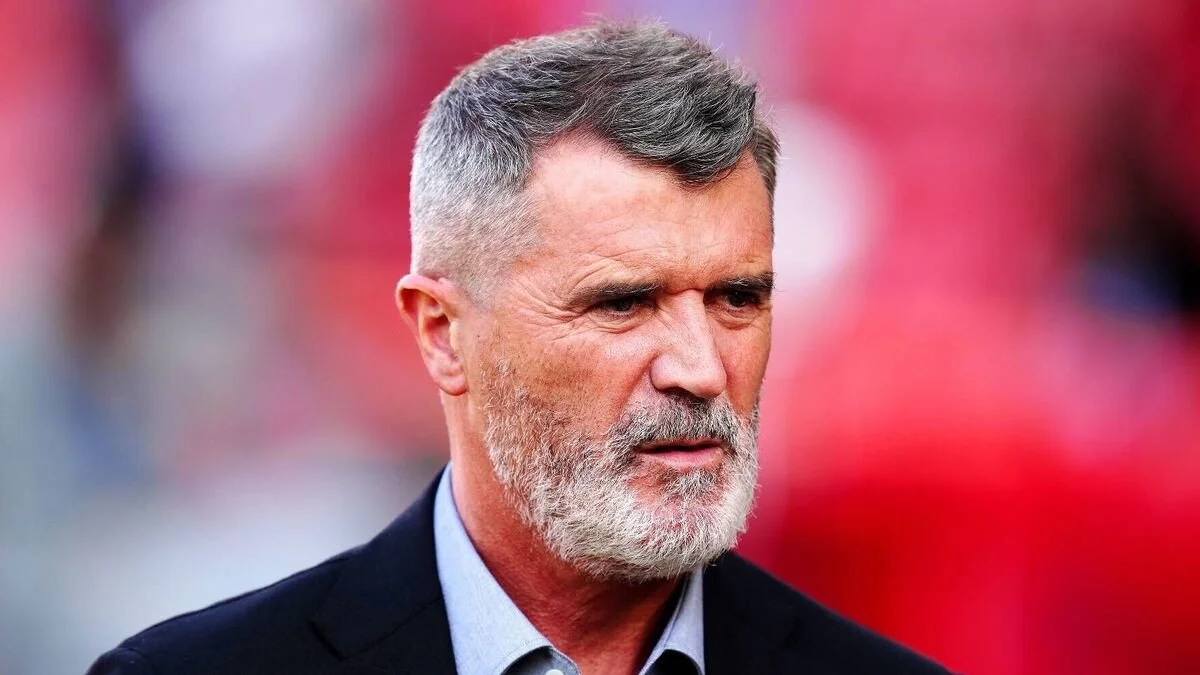
⚽ Opinion: The Decision That Stained United’s Pride — and Football’s Romance
Roy Keane’s reflection is more than nostalgia; it’s a wake-up call to football’s soul. The FA Cup — once the crown jewel of English football — represents tradition, community, and the heartbeat of the domestic game. For Manchester United, a club built on legacy and loyalty, withdrawing from it was like turning their back on the very fans who built their identity.
Yes, the FA’s reasoning had political undertones — tied to England’s World Cup ambitions — but football’s spirit doesn’t thrive on politics. It thrives on passion, competition, and respect for tradition. The decision, even if well-intended, came off as a betrayal to the sport’s romanticism.
Two decades later, Keane’s words remind us that football’s greatness isn’t just in trophies or global tournaments — it’s in respecting where the journey began.
Manchester United’s withdrawal may be history, but its lesson still echoes: no club, no matter how big, should ever consider itself too global for the game that gave it glory.