Baba Ijesha Regains Freedom After Appeal Court Clears Him of Allegations
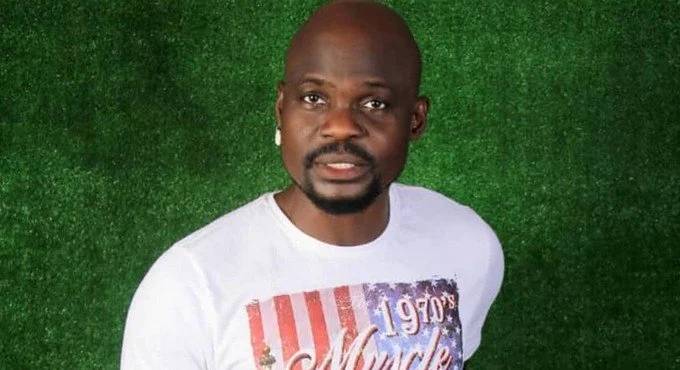
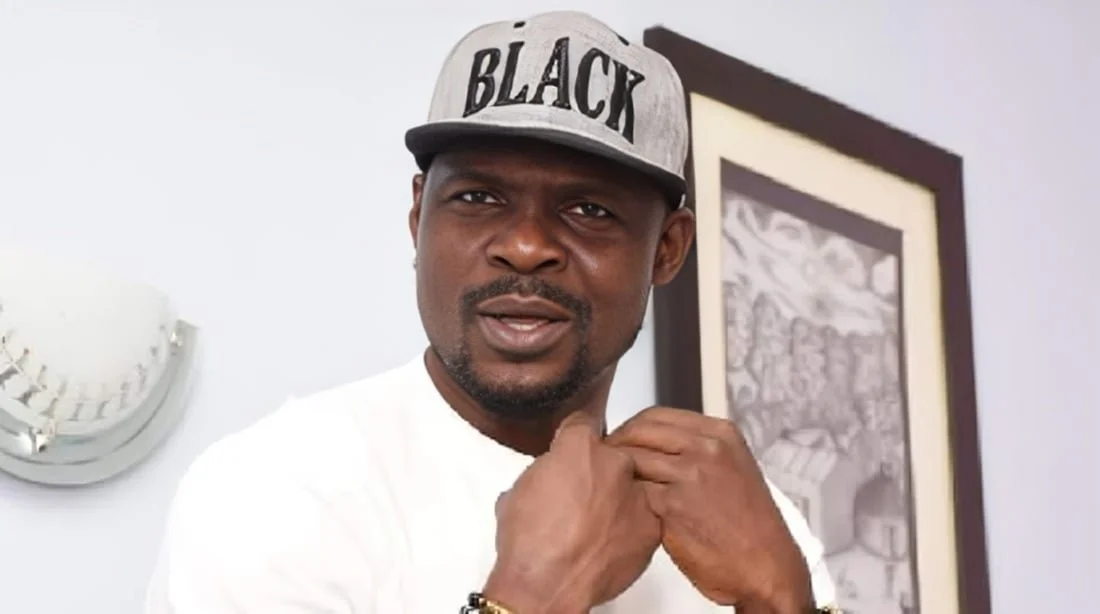
Nollywood actor Olanrewaju Omiyinka, popularly known as Baba Ijesha, has been released from prison after spending over three years in custody over allegations of sexual assault.
The actor reportedly regained his freedom on Friday, November 14, 2025, following a decision by the Appeal Court that cleared him of the offences for which he was previously convicted.
The announcement was made by fellow actor Yomi Fabiyi, who took to Instagram to celebrate Baba Ijesha’s release. Fabiyi wrote:
“You are now officially FREE AND OUT. Baba Ijesha is not just back but BETTER.
I am also happy you were cleared by the APPEAL COURT of ever having s*x/defile any child/minor. The 7-year-old story is a charade. We live in a terrible world, where sentiments and wickedness rise above the rule of law and truth.”
Baba Ijesha was earlier sentenced to 16 years imprisonment on July 14, 2022, by the Lagos State High Court for the alleged sexual assault of a 14-year-old girl. His release marks a major turn in a case that generated intense public debate, emotional reactions, and legal controversy across Nigeria.

Opinion: A Case That Reveals Nigeria’s Deep Divide Between Emotion and Justice
Baba Ijesha’s release is not just a legal affair—it is a reflection of the deep tensions in Nigerian society concerning justice, public opinion, morality, and the role of social media in shaping narratives.
The case was one of the most polarising in recent Nollywood history. At the time of his arrest and conviction, many Nigerians had already formed strong opinions based on viral clips, emotional testimonies, and heated online arguments. For many, the court of public opinion had sentenced him long before the real court did.
Now, with the Appeal Court clearing him, the question becomes bigger than the man himself:
How do we balance the need for justice for victims with the need to protect the integrity of legal processes?
Whether one believes Baba Ijesha is innocent or guilty, this case exposes important truths:
1. Sentiments often overshadow due process.
In Nigeria, emotional reactions frequently replace patient evaluation of facts. The public often draws conclusions before courts do, and sometimes the pressure creates an atmosphere where fairness is difficult.
2. The justice system must remain objective—no matter how heated the issue becomes.
If the Appeal Court reversed the earlier judgment, it suggests that the legal foundation of the original conviction may have been flawed or insufficient.
3. Both victims and accused persons deserve fairness, dignity, and truth.
Protecting minors and combating abuse are essential—but so is ensuring that allegations are proven beyond doubt before someone’s life is altered forever.
4. Social media trials can destroy reputations long before justice is served.
This case highlights how viral stories can influence public perception and complicate legal processes.
A Closing Thought
Baba Ijesha’s return will no doubt spark fresh conversations, perhaps even anger or relief depending on one’s perspective. But beyond the emotions lies the deeper lesson:
Nigeria must learn to separate the noise from the facts, the outrage from the evidence, and public sentiment from the rule of law.
Only then can justice—true justice—prevail for everyone.