Lagos Attorney-General Debunks Claims of Baba Ijesha’s Acquittal, Warns Against Spreading False Reports
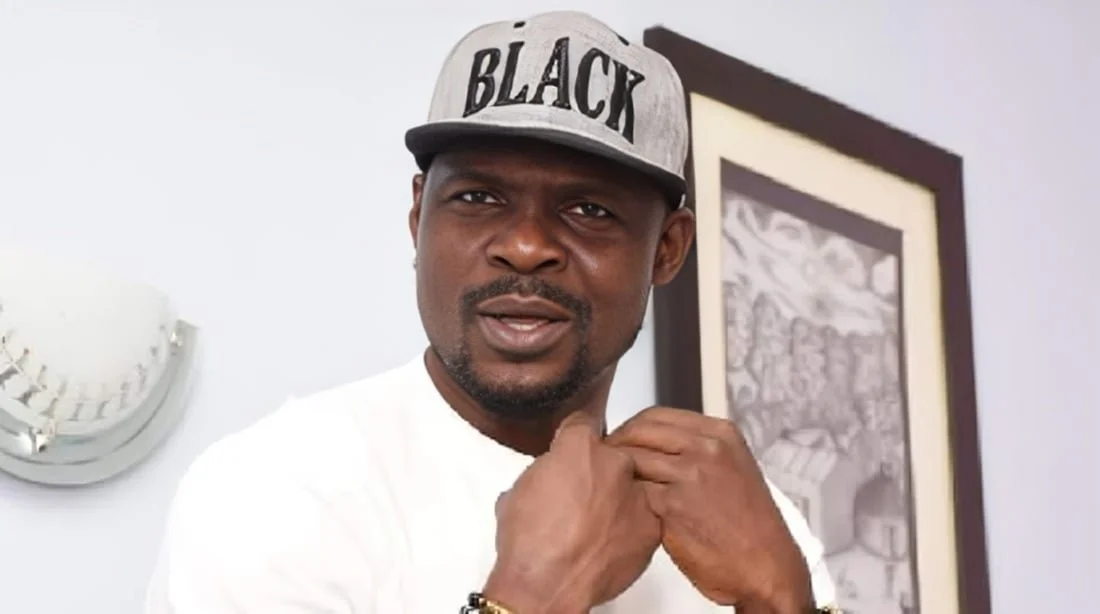
Lagos State Attorney-General and Commissioner for Justice, Lawal Pedro (SAN), has debunked claims circulating on social media that Nollywood actor Olanrewaju James, popularly known as Baba Ijesha, was cleared of all charges related to s*xual offences against a minor.
The clarification comes after actor Yomi Fabiyi alleged on Friday, November 14, that the Court of Appeal had dismissed the s*xual assault case and that Baba Ijesha’s release from prison was due to exoneration. Fabiyi described the case as a “charade,” sparking widespread debate and confusion online.
However, speaking to journalists in Lagos on Sunday, Pedro condemned the reports as false, misleading, and a gross distortion of judicial facts, stressing that such misinformation was capable of misguiding the public and undermining trust in the justice system.
“No such clearance occurred at any stage of the judicial process,” Pedro stated firmly.
He explained that the High Court of Lagos State had on July 14, 2022, convicted Baba Ijesha for s*xual assault and indecent treatment of a child relating to incidents that occurred in 2021. The actor was sentenced to five years and three years, respectively—both to run concurrently.
While the Court of Appeal did set aside certain convictions linked to alleged offences from 2013 to 2014, it fully upheld the 2021 convictions and sentence.
Pedro further noted that the Supreme Court had, on May 29, 2025, struck out Baba Ijesha’s appeal for incompetence. A subsequent attempt to file a fresh appeal was dismissed on October 9, 2025, leaving the Court of Appeal judgment completely intact.
The AG emphasized that Baba Ijesha’s release was strictly because he completed his full prison term, not because he was acquitted of any offence.
“Mr Olanrewaju James was not cleared of the offences of s*xual assault and indecent treatment of a child,” he reiterated.
Pedro urged the public to disregard the false narrative and cautioned Yomi Fabiyi and any platforms amplifying the claim to desist immediately. He also warned that his office would not hesitate to prosecute anyone intentionally spreading false news with intent to cause fear or public alarm—an offence under Section 39 of the Lagos Criminal Law.
He reaffirmed the state’s commitment to protecting children, enforcing criminal convictions, and ensuring accurate public communication of judicial outcomes.
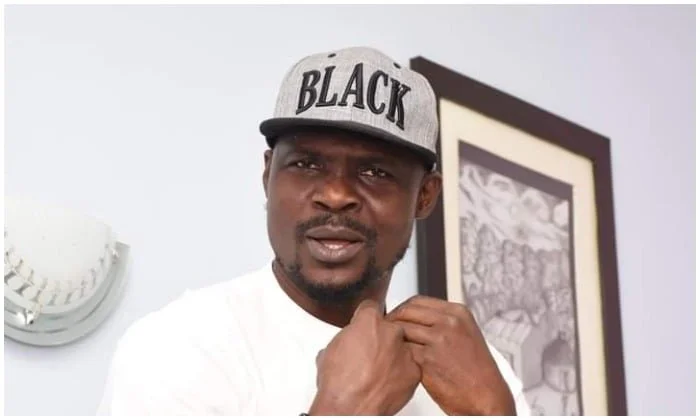
Opinion: Why Truth Matters in Sensitive Cases Like This
The Baba Ijesha saga is one of the most emotionally charged cases in Nollywood history, and moments like this prove why responsible reporting is crucial.
When influential figures share unverified claims, millions of people absorb them instantly—sometimes without questioning. But misinformation in s*xual assault cases goes beyond confusion; it can retraumatize victims, undermine advocacy efforts, and weaken public confidence in the justice system.
Fabiyi’s claim—whether born from misunderstanding or deliberate sensationalism—shows how easily false narratives can spread when emotions run high. But the Attorney-General’s detailed explanation reinforces something important: the justice system takes child-protection cases seriously, and convictions are not overturned lightly.
In a society where survivors often struggle to be believed, amplifying misleading claims can cause lasting damage. The real victory here is not in who wins an online argument, but in ensuring that:
truth is preserved,
victims’ voices are not drowned out, and
the public remains properly informed.
As Lagos continues strengthening its child-protection framework, responsible communication from public figures—and citizens—is no longer optional. It is a duty.