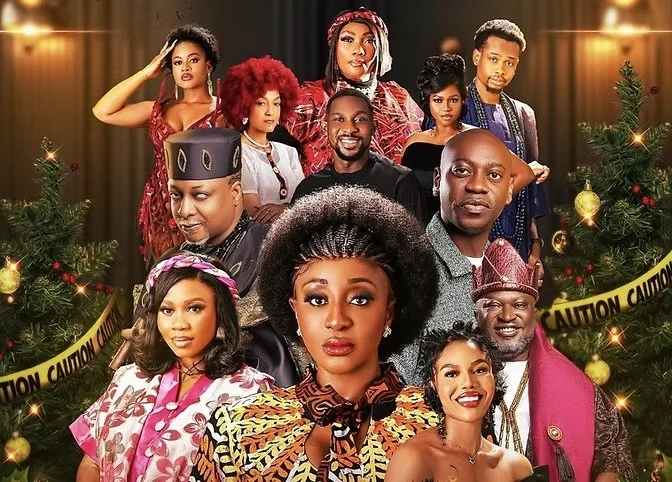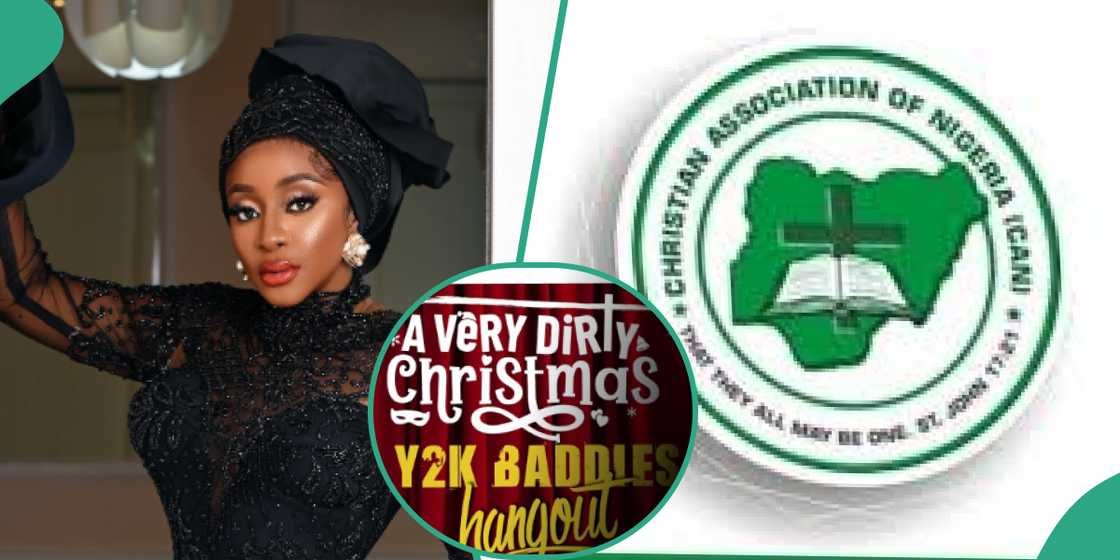
Ini Edo Responds to Controversy Over Movie Title “A Very Dirty Christmas”
Nollywood actress and producer Ini Edo has clarified her intentions behind the title of her latest movie, A Very Dirty Christmas, following criticism from the Christian Association of Nigeria (CAN).
CAN had raised concerns that the title was offensive, arguing it conflicted with the sacred meaning of Christmas—a season celebrating the birth of Jesus Christ, symbolizing peace, love, and purity. The association warned that linking the holy season with the word “dirty” undermined its spiritual significance.
In response, Ini Edo emphasized that the title was metaphorical, reflecting the story and themes explored in the film, and was never intended to demean Christianity or the Christmas season. She also noted that the movie had met all regulatory approvals prior to release, including clearance from the National Film and Video Censors Board (NFVCB) and the Nigerian Copyright Commission (NCC).
The actress stated, “Art, at its highest form, is meant to provoke thought, spark conversation, and reflect the complexities of human experience. It is in this spirit that A Very Dirty Christmas was created… At no time was there any intention to demean, ridicule, or dishonour Christianity, the Christmas season, or the values held dear by millions of Nigerians.”
Opinion: Balancing Art and Faith
Ini Edo’s response highlights a broader discussion about the balance between creative expression and cultural or religious sensitivity. While art often pushes boundaries to provoke thought and reflection, it also carries the responsibility to respect deeply held beliefs, especially in a religiously diverse society like Nigeria.
Her clarification that the title is metaphorical rather than literal offers an important perspective: creative works can explore human imperfection, societal struggles, and contrasts within sacred contexts without undermining faith. This controversy underscores the need for open dialogue between artists, regulators, and faith-based organizations to ensure both freedom of expression and respect for cultural values.
Ultimately, the conversation sparked by A Very Dirty Christmas could serve as an opportunity for Nigerians to reflect on how art mirrors life’s complexities while still honoring the traditions and beliefs that shape the society.