Osinbajo Reflects on Helicopter Crash Survival Seven Years After, Expresses Deep Gratitude
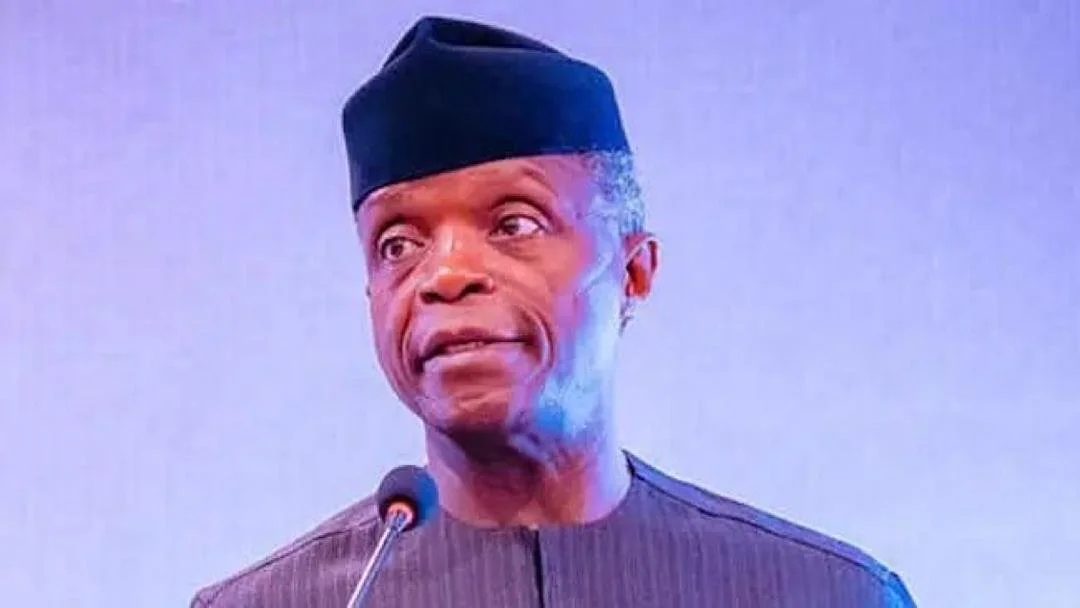
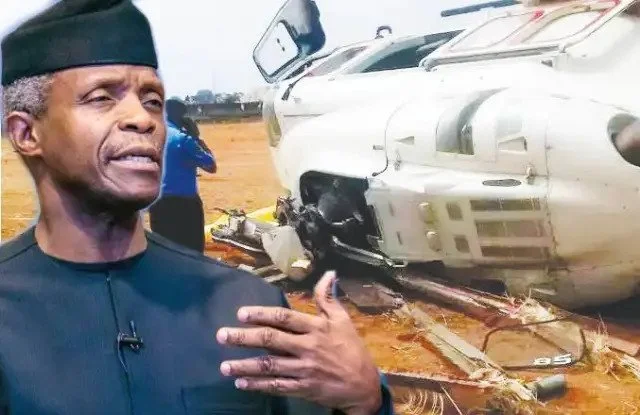
Former Vice President of Nigeria, Prof. Yemi Osinbajo, has revisited the memories of the helicopter crash that occurred in Kabba, Kogi State, seven years ago, using the moment to express heartfelt gratitude for life and divine protection.
Taking to his Instagram page on Monday, Osinbajo shared an emotional message, thanking God for preserving everyone on board during the 2019 incident. The former Vice President described the experience as a powerful reminder of grace, noting that all passengers survived without injuries.
“You have been faithful… God of my journey, I remember how You saved us. Seven years ago, You carried every one of us out of that helicopter crash without a single scrape,” he wrote, adding that the experience remains a testimony of mercy and gratitude.
His wife, Dolapo Osinbajo, also marked the anniversary on social media, reflecting on the February 2, 2019 incident and offering prayers of thanksgiving. She described the survival as “great deliverance,” accompanied by a biblical reference acknowledging God’s greatness.
A Moment That Still Resonates
The Kabba helicopter crash was a major national talking point at the time, drawing widespread concern and relief after news emerged that all passengers survived. For many Nigerians, the incident remains one of the most remarkable moments of political history, not only because of the high-profile figures involved but also because of the outcome — no lives lost.
Osinbajo’s reflective message shows how deeply the experience continues to shape his personal and spiritual outlook years later. His tone, filled with worship and gratitude, reflects the faith-driven identity he has often displayed throughout his public service.
Opinion: Gratitude in Public Leadership Still Matters
Beyond the remembrance itself, Osinbajo’s post highlights something many Nigerians rarely see in politics — vulnerability and reflection. In an era where public figures are often expected to project strength alone, moments of gratitude and humility can resonate strongly with citizens.
Some observers may view such messages purely as personal expressions of faith, while others see them as reminders that leadership is not just about policies and politics but also about human experiences that shape perspective. Whether one agrees with his political journey or not, acknowledging survival and giving thanks reflects a side of public life that connects emotionally with people.
Seven years later, the Kabba incident stands not only as a story of survival but also as a reminder of how unexpected moments can redefine priorities. And judging by the reactions online, many Nigerians continue to see it as a testimony worth remembering — one that blends faith, resilience, and reflection in the public space.