Charles Onyeabor Reflects on Nigeria’s Challenges Following Anthony Joshua Accident
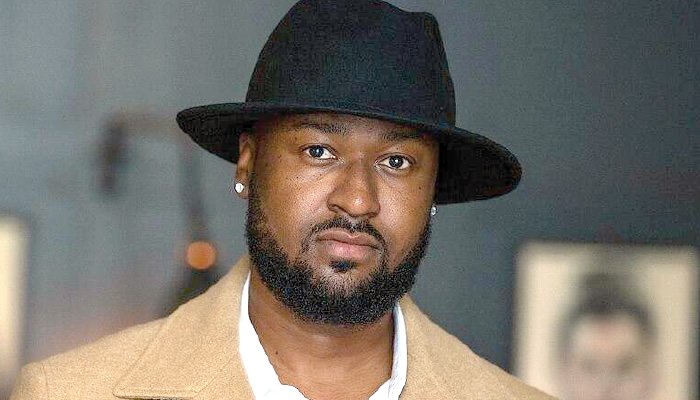
Italian-Nigerian singer and songwriter Charles Onyekachi Onyeabor has sparked conversation online after sharing a deep and emotional reflection on Nigeria, following the recent road accident involving world-renowned boxer Anthony Joshua.
Earlier reports revealed that Joshua was involved in a fatal accident along the Lagos-Ibadan Expressway, which tragically claimed the lives of two of his friends. The boxer narrowly escaped death. Reacting to the incident, Onyeabor took to his Instagram page to express gratitude for Joshua’s survival while offering condolences to the bereaved families.
“This Anthony Joshua situation got me thinking out loud once again. Thank God he is alive, and sincere condolences to the families of those who lost their lives,” he wrote.
However, Onyeabor went beyond the accident to address what he described as Nigeria’s long-standing systemic failures. He questioned the popular optimism that Nigeria will eventually improve, stating that his over two decades of living abroad have shown him a different reality.
“Whenever I say Nigeria may never get better, people think I’m trying to downgrade the country. This is not hate — it’s reality,” he said, adding that conditions in the country have worsened rather than improved over the years.
He further lamented Nigerians’ reaction to criticism, noting that people often resort to insults and online trolling instead of self-reflection when uncomfortable truths are spoken, especially by foreigners. According to him, Nigerians are quick to compare individuals but reluctant to compare the country itself with nations where basic infrastructure works.
Onyeabor highlighted issues such as unstable electricity, poor road networks, inadequate healthcare, weak emergency services, and lack of clean water, questioning why these deficiencies are often normalized. He also criticized the nation’s obsession with tribalism, religious division, online insults, and internal conflicts rather than demanding accountability and functional systems.

“Until we learn to accept truth, stop being defensive, and start holding systems accountable instead of worshipping individuals, nothing will change,” he concluded, stressing that his comments were observations, not expressions of bitterness or hatred.
Opinion:
Charles Onyeabor’s remarks resonate because they confront a painful but familiar reality many Nigerians quietly acknowledge. His words challenge the culture of denial and misplaced priorities, urging citizens to shift focus from celebrity comparisons and tribal debates to systemic accountability. While his outlook may sound pessimistic, it opens an important conversation about national self-awareness. Progress begins with honest reflection, and voices like Onyeabor’s—whether agreeable or uncomfortable—force society to ask the hard questions it often avoids.