Taye Arimoro Challenges Suspension by Nollywood Guilds, Threatens ₦1bn Lawsuit
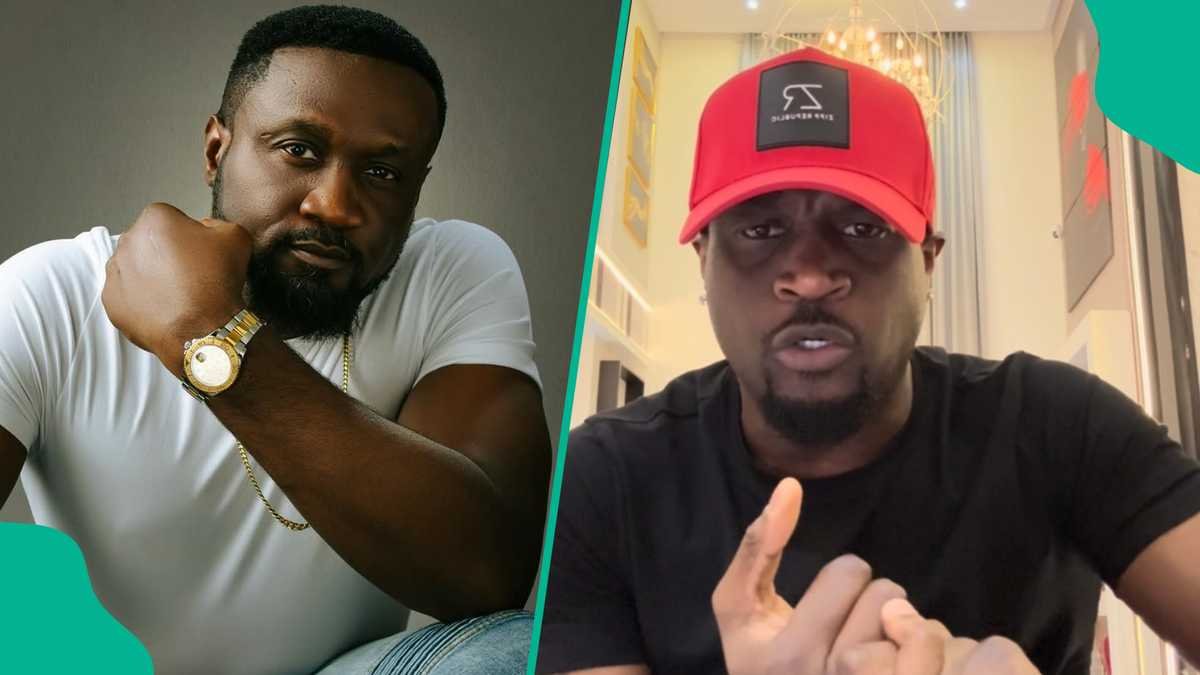
Nollywood actor Taye Arimoro has formally contested his suspension by three major industry guilds — the Directors Guild of Nigeria (DGN), Actors Guild of Nigeria (AGN), and the Association of Movie Producers (AMP) — following an on-set dispute with actress Peggy Ovire during the filming of Pieces of Love.
In a strongly-worded petition addressed to the guilds, Arimoro’s lawyer, Inibehe Effiong, described the disciplinary action as “procedurally improper, legally indefensible, and constitutionally void.”
Lawyer Faults Misidentification, Lack of Fair Hearing, No Jurisdiction
Effiong highlighted multiple irregularities in the suspension process, including the guilds’ failure to correctly identify Arimoro — referring to him as “Taiye Ayimoro” instead of Taiwo Arimoro — as well as a complete lack of fair hearing.
Most critically, the letter emphasized that Arimoro is not a member of any of the guilds involved, making their sanctions ultra vires:
“No association is empowered by law to exercise coercive or disciplinary powers over persons who are not its members… Any sanction issued against our client is legally unenforceable.”
Effiong also accused the guilds of withholding evidence, violating Arimoro’s rights, and interfering unlawfully with his career.
Arimoro is demanding:
A full retraction of the suspension,
A written apology, and
Public dissemination of the corrective statement within 24 hours.
Failure to comply will trigger a ₦1 billion lawsuit against all three guilds and their presidents.
Opinion: A Wake-Up Call for Nollywood’s Guild System
Beyond the legal fireworks, this case exposes a long-standing structural problem in Nollywood: the blurred lines of authority among guilds and their tendency to operate beyond their legal boundaries.
If Arimoro is truly not a guild member, then suspending him is not just overreach — it’s a concerning display of how loosely disciplinary frameworks are sometimes applied in the industry. It highlights the need for:
Clearer regulatory structures,
Transparent disciplinary procedures, and
Properly defined jurisdiction over actors and filmmakers.
At its core, this dispute is not just about a set incident — it’s about how power is exercised in Nollywood, and whether individual creatives are protected from institutional excesses.
Effiong’s firm legal stance — and the accompanying ₦1bn threat — signals that artistes are increasingly unwilling to accept arbitrary decisions that could damage their careers.
If the guilds do not address the issues raised, this case could set a precedent that reshapes how disciplinary matters are handled in the industry.
At the end of the day, Nollywood thrives on collaboration, professionalism, and respect. For the industry to grow, stakeholders must operate within the law and ensure fairness above all else.