Pastor Defends Chris Okafor Amid Doris Ogala Controversy, Sparks Mixed Reactions
A Nigerian pastor has come out in defence of Pastor Chris Okafor following the ongoing controversy surrounding alleged romantic involvement with Nollywood actress Doris Ogala, a development that has continued to stir debate online.
In a video currently circulating on social media, the cleric questioned the intensity of public outrage directed solely at religious leaders, arguing that accountability should be shared equally between pastors and church members in cases of alleged relationships.
“If you’re asking why a pastor should sleep with a church member, then you should also ask why a member would sleep with a pastor,” he stated.
The pastor further claimed that individuals amplifying the actress’s allegations were enemies of the church, accusing them of deliberately targeting religious institutions in an attempt to cause division. According to him, such attacks are meant to “strike the shepherd so the flock will scatter.”
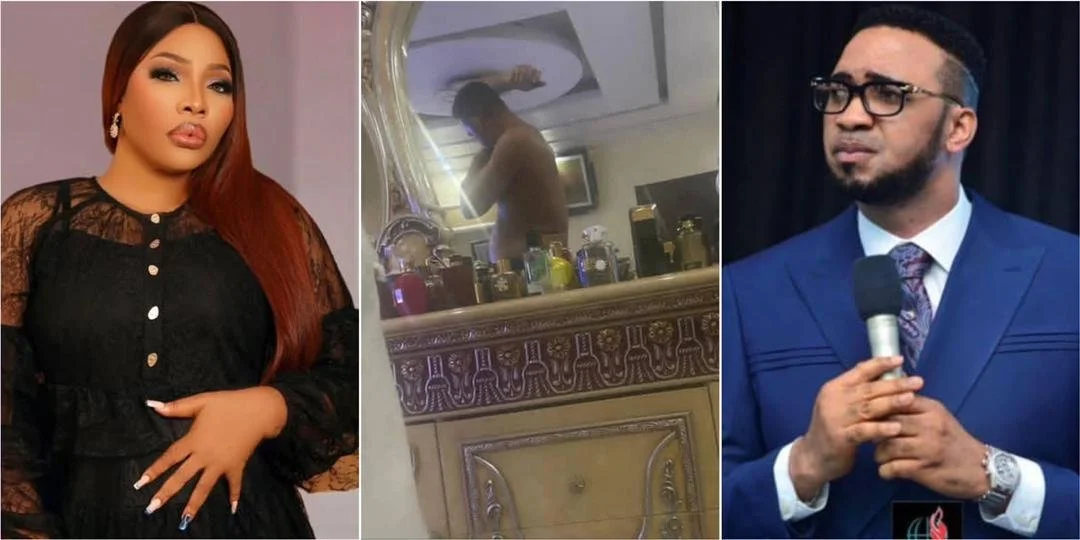
He suggested that the controversy could serve as a test of loyalty within Pastor Okafor’s congregation, helping to reveal genuine followers. He also argued that if the alleged relationship had ended in marriage, the backlash would likely have been minimal, implying that the outrage stems from societal hypocrisy rather than moral conviction.
In a strongly worded message, the cleric insisted that divine judgment applies equally to everyone, regardless of status. “It is the same hellfire,” he said, describing the situation as “sinners judging others for sinning differently.”
He concluded by warning churches against joining public condemnation over unproven allegations, urging religious institutions to protect themselves from what he described as deliberate attempts to weaken the church.
Opinion: While the pastor’s comments raise a valid point about shared responsibility in personal relationships, many Nigerians argue that religious leaders are rightly held to higher standards because of their moral influence and spiritual authority. Faith communities thrive on trust, and when that trust is shaken, accountability becomes unavoidable. Ultimately, the controversy underscores a broader issue within society—where faith, power, and personal conduct intersect. Until clear facts emerge, restraint, fairness, and truth should guide public discourse rather than blind defence or outright condemnation.