TikToker Peller Cries Out Over ₦18 Million Tax Bill, Appeals to Lagos Government for Compassion
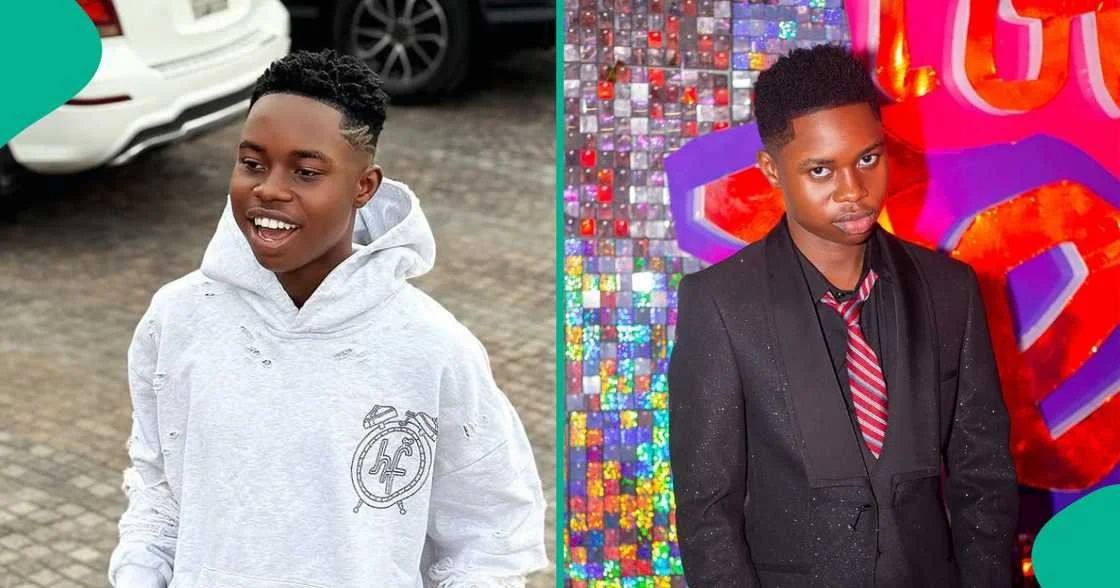
Nigerian TikTok personality Habeeb Okikiola, popularly known as Peller, has publicly expressed distress after receiving an ₦18 million tax bill from the Lagos State Inland Revenue Service (LIRS).
Taking to social media, Peller pleaded with the government to reconsider, describing the sum as overwhelming.
“Government, please, I need you to pity me. I don’t have anything; I am just managing. How can you tell me to come and pay a huge tax? Do you want to kill me? You also have someone like me as a child at home? Why are you doing this to me?” he lamented.
Peller linked the tax bill to an online rumour that he allegedly paid fellow TikToker Gehgeh ₦25 million to appear on his livestream—an allegation he strongly denied.
“Please don’t listen to him (Gehgeh). I did not pay such an amount. It was my fans who contributed to the studio payment. I am just a normal guy on the street. Even the partnerships I do online, they don’t pay more than ₦200k or ₦500k,” he explained.

Opinion:
Peller’s plight shines a spotlight on a broader conversation about Nigeria’s taxation system—especially as it applies to digital creators. While taxation is a civic duty, fairness and accuracy in tax assessments are equally important. Social media earnings can be unpredictable and often exaggerated by public perception, making it risky for authorities to base assessments on unverified rumours.
This case raises questions about how well the tax system understands the influencer economy. Creators may be earning in the public eye, but behind the content are fluctuating incomes, inconsistent brand deals, and personal expenses that the audience never sees.
If Nigeria wants to effectively tax the growing digital economy, the approach should be data-driven, transparent, and empathetic—otherwise, cases like Peller’s will only fuel mistrust between taxpayers and the system.