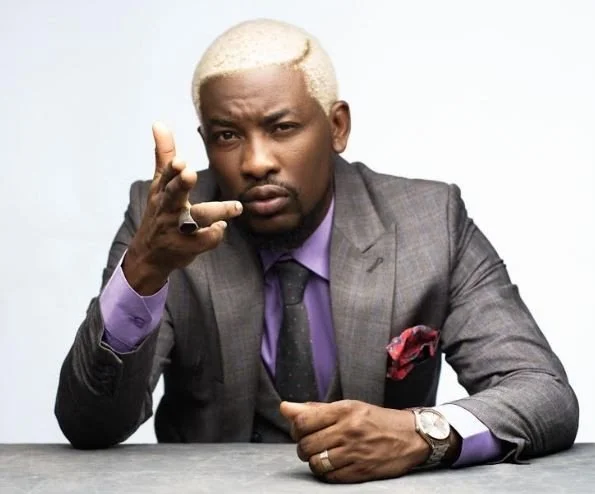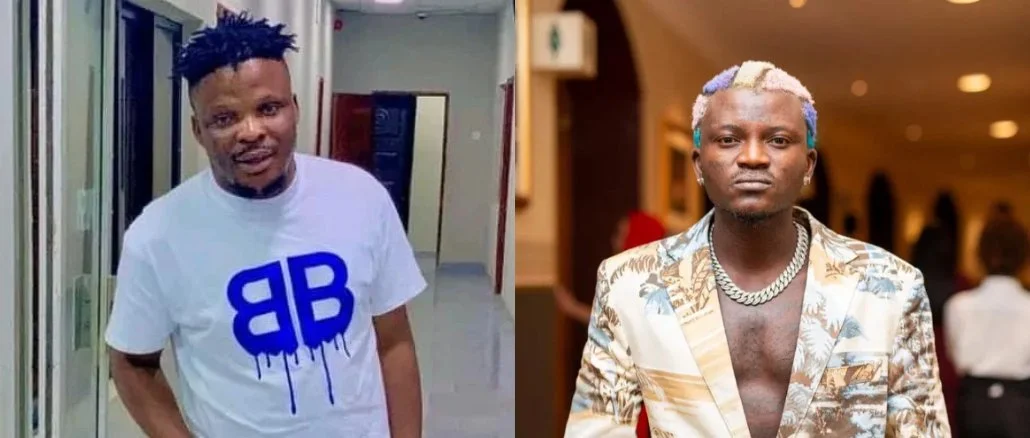
Actor Ijoba Lande Raises Alarm Over AI-Generated Blackmail Video
Nollywood actor and content creator, Ijoba Lande, has cried out on social media after being allegedly targeted in a disturbing case of digital blackmail involving artificial intelligence (AI).
Taking to his Instagram page, Lande revealed that he is being blackmailed with an AI-generated video that purportedly shows him in a compromising situation with the wife of a Nigerian senator.
According to him, the blackmailers are demanding ₦5 million to halt the circulation of the fabricated clip.
Lande firmly denied the allegations, insisting that the video is fake. He explained that the video has already been shared with some of his close contacts and benefactors, damaging his reputation and putting his career at risk.
He lamented:
“Someone sent me a video and threatened me. In the video, I was naked in bed with a married woman. I am not the one in that video, but the person is demanding ₦5 million. They are now sending it to my benefactors, and some don’t believe me. I don’t even understand how the video was made. Please, if you receive the video, delete it. It’s not me.”

Lande further appealed to the Nigerian government to urgently regulate the use of AI, warning that if left unchecked, it could lead to widespread abuse, character assassination, and digital extortion.
Opinion
Ijoba Lande’s ordeal is a chilling reminder of the double-edged sword that technology, particularly artificial intelligence, has become in today’s world. On one hand, AI is revolutionizing industries and creating opportunities. On the other, it is becoming a dangerous tool in the wrong hands—capable of destroying reputations, livelihoods, and even lives.
The rise of deepfake technology is particularly worrisome. With a few clicks, anyone can fabricate videos or audio that look alarmingly real, leaving innocent people vulnerable to blackmail and public shame. Lande’s experience highlights how urgent it is for Nigeria and other nations to create legal and technological frameworks to combat digital blackmail, regulate AI use, and punish perpetrators.
Beyond regulation, there is also a call for digital literacy among the public. As viewers, we must learn to question the authenticity of every viral clip before forwarding or reacting. The damage caused by sharing unverified content is often irreversible.
Ijoba Lande’s case should not be dismissed as just another celebrity scandal—it is a wake-up call. Today it is him, tomorrow it could be any ordinary person. The need for laws against digital impersonation, cyber extortion, and deepfake abuse has never been greater.
If handled properly, his situation could spark the very conversation that leads to protecting millions from similar fates.