Dayo Amusa Debunks HIV Rumors, Shares Test Result Online
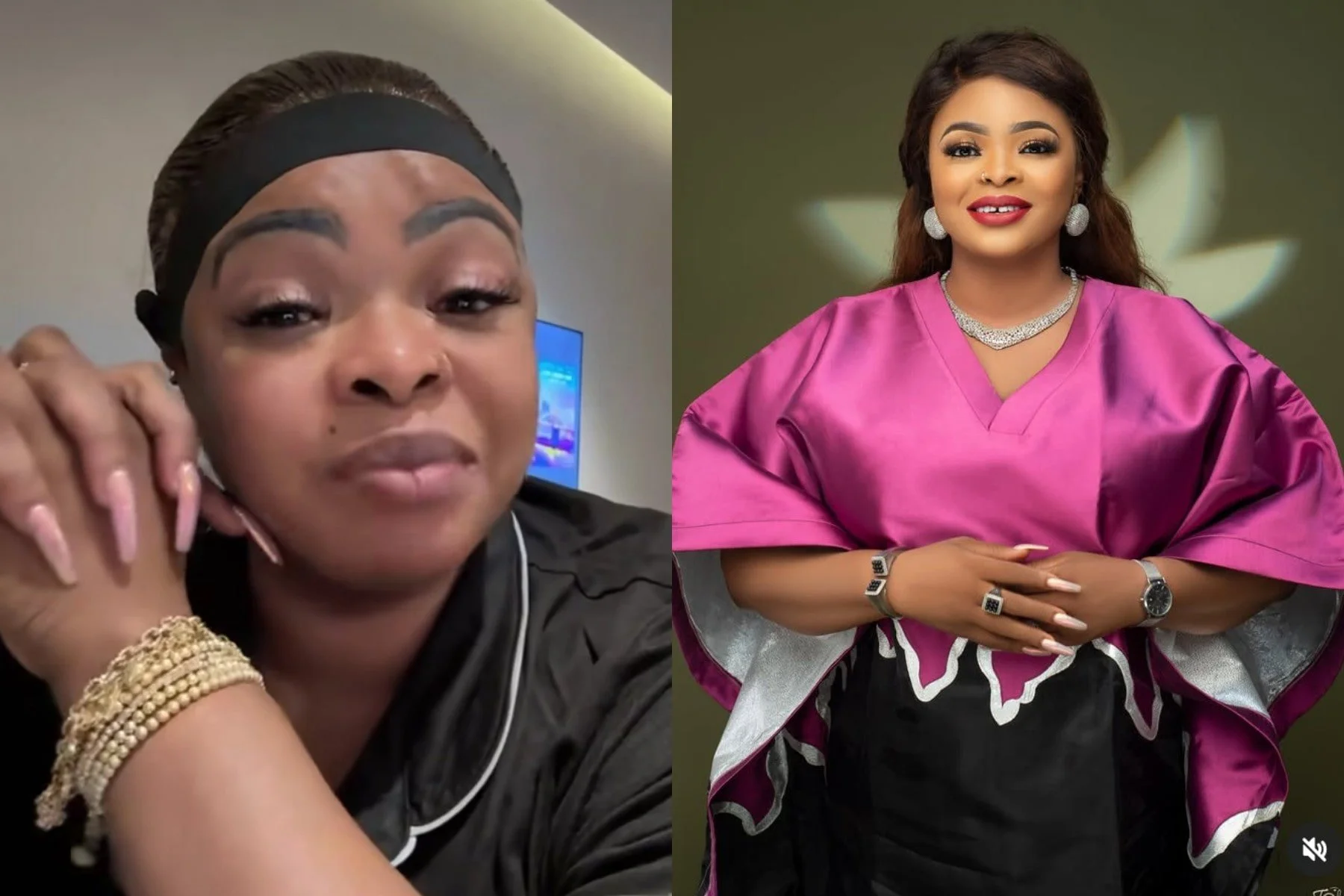
Nollywood actress Dayo Amusa has set the record straight after being falsely accused of living with HIV.
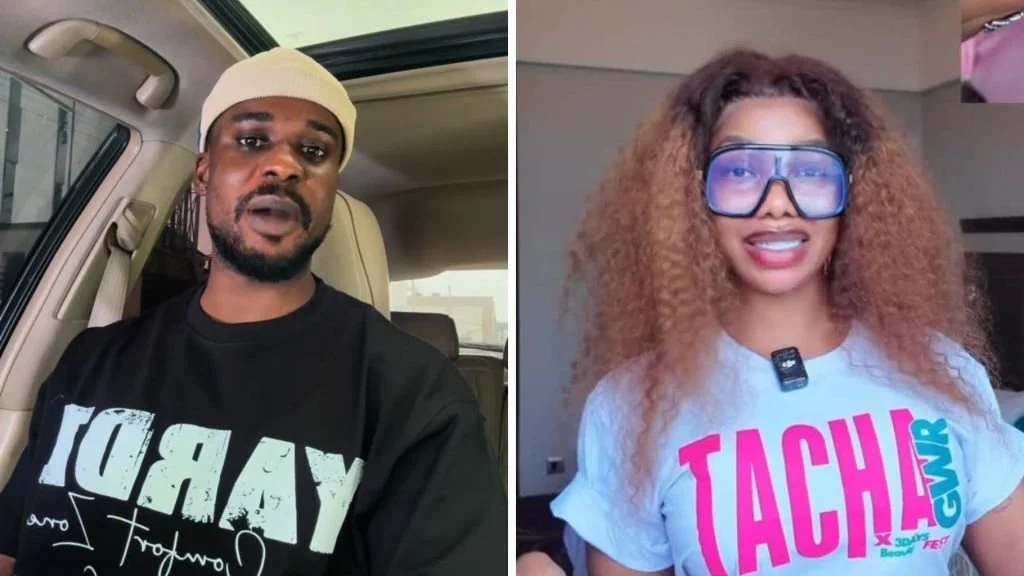
The rumor began when a content creator, Olaoluwa Segun, published a video naming Amusa among five Nigerian actors allegedly infected with the virus.
In response, the actress took to her Instagram page on Tuesday to share a photo of her HIV test result, which confirmed she is HIV-negative. Amusa explained that this was not the first time she addressed the matter, recalling how she had publicly shared her negative result in 2019 as part of a campaign to raise awareness about HIV testing.
She emphasized that her earlier post was about encouraging people to know their status, not an admission of having the virus.
The actress also warned Segun of possible legal action for spreading unverified and damaging information.
In her caption, Amusa stressed the importance of regular HIV testing:
“I still feel the need to encourage individuals to get tested and know their HIV status. It is better to know your status so that you can guide yourself and save others too.”

Opinion
The Dayo Amusa incident is a reminder of the dangers of careless content creation in the age of social media. One viral video, built on hearsay, can damage a person’s reputation, career, and mental health. For public figures, rumors spread like wildfire; for private individuals, they can be devastating.
Yet, beyond the negativity, Amusa’s response shines as an example of grace under pressure. Rather than retreat into silence, she turned the situation into a teachable moment—advocating for regular HIV testing and breaking the stigma around the conversation.
This matters deeply. In a society where health issues are often shrouded in shame, her openness is not just about clearing her name; it’s about empowering others to prioritize their health.
At the same time, this should be a wake-up call for both content creators and audiences. Content creation should not be an excuse for defamation masked as entertainment. And audiences must learn to question and verify before amplifying harmful claims.
In the end, Amusa’s courage flips the narrative—what was meant to discredit her has instead highlighted the need for responsible speech and responsible health choices.