Tonto Dikeh, Olakunle Churchill Reconcile After Nearly a Decade of Public Feud
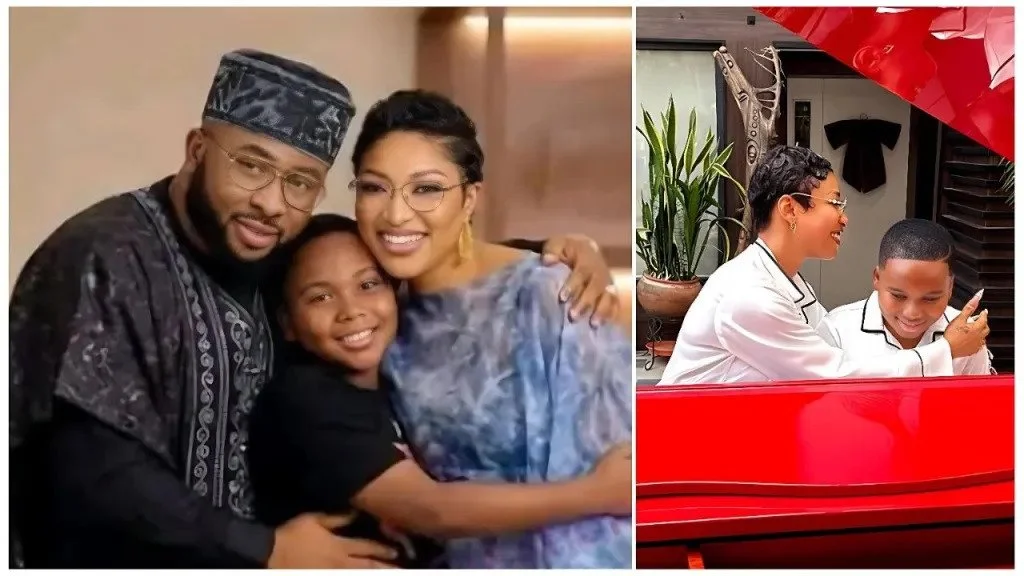
Nollywood actress and politician Tonto Dikeh has confirmed that she has reconciled with her former husband, Olakunle Churchill, bringing an end to their long-running and very public fallout that followed the collapse of their marriage.
Tonto and Churchill got married in 2015, but the union ended less than two years later amid allegations of infidelity, intense media scrutiny, and prolonged child custody battles. For years, their separation remained one of the most talked-about celebrity disputes in Nigeria.
In an emotional post shared on her Facebook page, Tonto described the reconciliation as a divine restoration, crediting God, humility, forgiveness, and persistent prayers for healing what she said human efforts could not fix.
According to the actress, peace has now replaced years of bitterness, broken communication, and public hostility. She revealed that the renewed relationship is centered on love for their child, mutual respect, and obedience to God’s word.
Tonto also used the opportunity to encourage people going through similar family conflicts not to give up, stressing that restoration is possible even after years of pain and separation.

Opinion: A Rare Celebrity Moment That Teaches Growth and Grace
In a space where celebrity breakups often end in permanent hostility, this reconciliation stands out as refreshingly mature and deeply human. Regardless of public opinions about their past, choosing peace—especially where a child is involved—is a powerful step that deserves acknowledgment.
Tonto Dikeh’s message goes beyond celebrity headlines; it touches on something many families quietly struggle with: pride, unresolved pain, and the difficulty of forgiveness. Her openness about humility and faith offers a softer narrative in an era where social media often rewards conflict over healing.
More importantly, this reconciliation does not appear to be about romance or public image, but about co-parenting, emotional healing, and personal growth. That distinction matters.
If sustained, their restored relationship could serve as a reminder that closure doesn’t always mean distance—sometimes it means peace. And in a world quick to cancel and condemn, stories like this gently remind us that people can change, heal, and choose a better path—even after years of damage.
Ultimately, whether one believes in the spiritual angle or not, choosing peace over prolonged war is a victory worth celebrating.