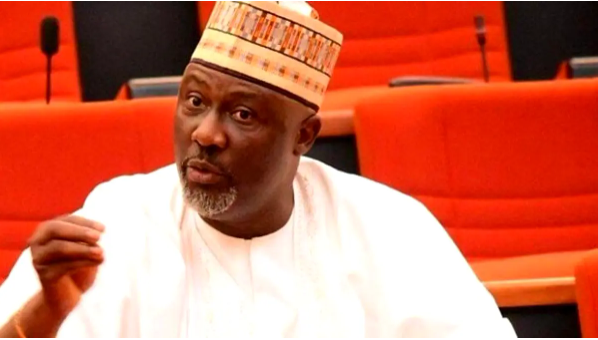
Dino Melaye Alleges APC Anxiety Over Electronic Transmission of Election Results Ahead of 2027 Elections
Former Senator representing Kogi West, Dino Melaye, has accused the ruling All Progressives Congress (APC) of displaying unease as Nigeria approaches the 2027 general elections. Melaye highlighted the party’s resistance to the electronic transmission of election results despite its political dominance, noting that the APC currently controls 31 governorship positions across the country.
In a post shared on X on Tuesday, Melaye ridiculed the party’s stance, suggesting it reflects a lack of confidence and internal tension. “APC is doing e-registration for members, but doesn’t want e-transmission of results. With 31 governors, dem still dey fear,” he wrote, pointing to a seeming contradiction in the party’s approach to digital electoral processes.
He further criticized the Senate’s reluctance to support proposed amendments to the Electoral Act that would allow for real-time electronic transmission of results, interpreting it as a sign of deeper instability within the party. “Implosion is imminent and explosion is guaranteed. End of the road. Votes must count,” Melaye added.
The comments come amid growing demonstrations in Abuja, where protesters have called on lawmakers to implement reforms that enhance transparency and accountability in Nigeria’s electoral system.

An Opinion Worth Considering
Melaye’s remarks underscore the ongoing debate about electoral integrity in Nigeria. Electronic transmission of results is widely regarded as a tool that can reduce vote manipulation, enhance transparency, and build public confidence in elections. Resistance to such measures — especially from a party with significant political control — raises questions about priorities and the commitment to fair elections.
While political parties may cite logistical or security concerns as reasons for hesitation, public perception matters. For democracy to thrive, citizens must feel assured that every vote counts. The APC’s reluctance, as suggested by Melaye, could fuel skepticism and civil unrest if not addressed proactively.
Ultimately, this situation highlights a critical moment for Nigeria’s democracy: leaders have the responsibility to balance political advantage with systemic reforms that strengthen trust in the electoral process. As the 2027 elections approach, calls for transparency, accountability, and technological adoption in voting will likely continue to dominate public discourse.