Kunle Afolayan’s “Intellectuals” Comment Sparks Debate as Anikulapo Series Divides Viewers
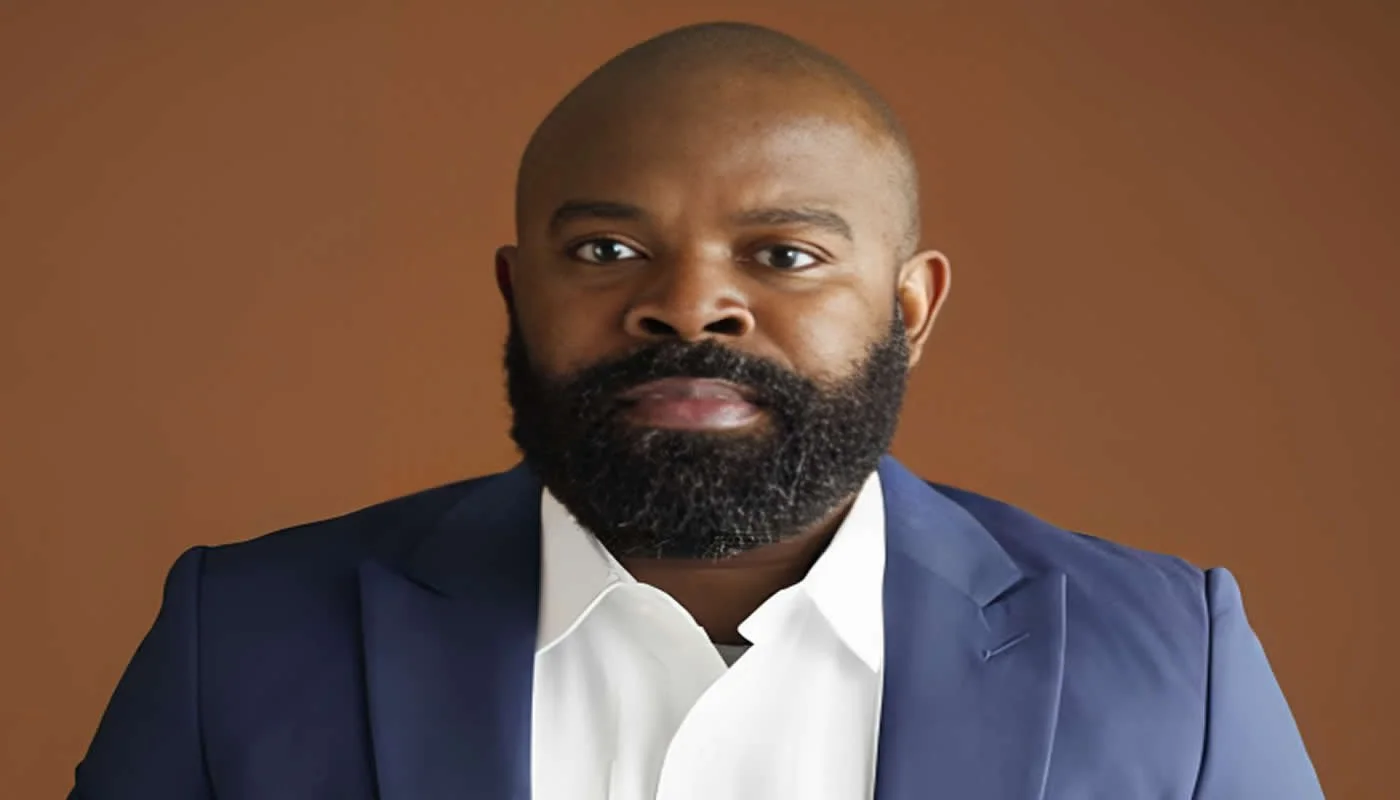
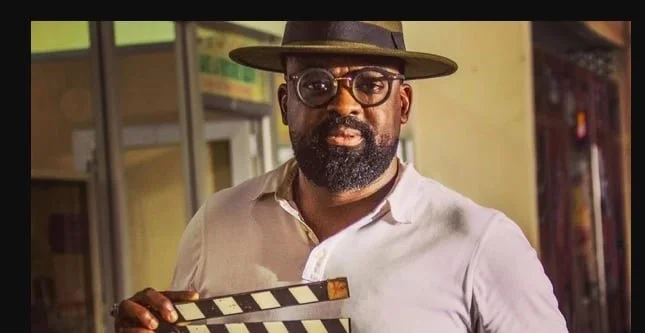
Award-winning Nigerian filmmaker Kunle Afolayan has stirred fresh conversation across social media after describing his films as being made for “intellectuals” while responding to criticism surrounding his newly released Anikulapo series.
The director made the remark on Instagram amid mixed reactions to the project. While many viewers applauded the series for its rich cultural themes, historical depth, and layered storytelling, others argued that its pacing and narrative style may not easily connect with mainstream audiences. According to reports, Afolayan defended his creative direction, stressing that his filmmaking approach has never been about following trends but about crafting thought-provoking stories.
Over the years, the filmmaker has built a strong reputation with productions such as October 1, Citation, Anikulapo, and Ijogbon — works often praised for their cinematic quality and strong cultural commentary. In his response to critics, Afolayan noted that feedback from scholars, critics, and viewers who appreciate deeper narratives continues to shape his artistic vision.
His statement, however, has divided public opinion. Supporters believe Nollywood benefits from filmmakers willing to explore complex storytelling, while critics argue that labeling films as being for “intellectuals” could create an unnecessary gap between creators and everyday viewers.
An Opinion Worth Reflecting On
The debate surrounding Afolayan’s comment highlights an ongoing conversation about the direction of Nollywood itself. As the industry grows globally, filmmakers face the challenge of balancing artistic expression with mass appeal. Projects that lean heavily into cultural symbolism and deeper themes often attract critical acclaim but may not always achieve widespread commercial popularity.
At the same time, voices like Afolayan’s remind audiences that cinema is not meant to exist in one creative box. Diversity in storytelling — from lighthearted entertainment to intellectually demanding narratives — is part of what keeps an industry vibrant. While some viewers may feel excluded by the phrasing of his statement, others see it as a call to appreciate films beyond surface-level entertainment.
Ultimately, the reaction to Anikulapo shows that Nollywood audiences are becoming more engaged and vocal about the content they consume. Whether one agrees with Afolayan’s perspective or not, the discussion itself signals a healthy evolution in Nigerian cinema — where creativity, criticism, and conversation continue to shape the future of storytelling.