NPFL Summons Kun Khalifat FC Media Officer Over Alleged Derogatory Remarks
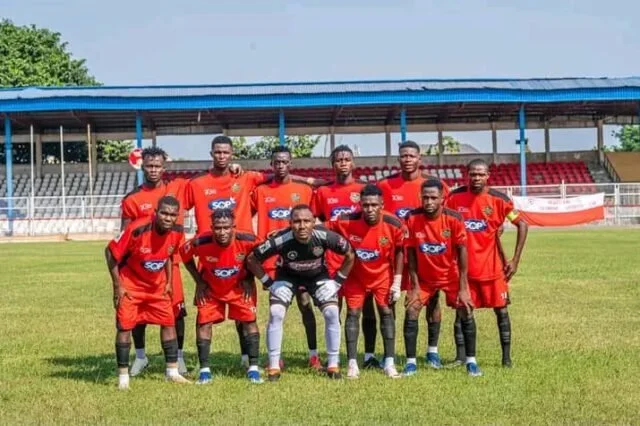
The Nigeria Premier Football League (NPFL) has invited Kun Khalifat FC’s Media Officer, Saviola Godwin Otu, to appear before its disciplinary panel in Abuja following allegations that he made derogatory statements against the league body.
According to an official statement released by the NPFL on Wednesday, Otu is expected to attend the hearing with credible evidence — including documents, audio recordings, or visual materials — to support claims he made publicly about the league’s alleged double standards.
The controversy stems from comments made after the NPFL reportedly declined Kun Khalifat FC’s request to postpone their fixture against El-Kanemi Warriors. Otu had accused the league of inconsistency, alleging that Katsina United was previously granted a similar reprieve in a comparable situation involving his club.
“The Media Officer of Kun Khalifat FC, Saviola Godwin Otu, has been invited to a hearing at the NPFL headquarters in Abuja following his allegations of double standards by the league body,” the statement read, emphasizing that the invitation is part of due process to clarify the claims.
The development has sparked debate within the domestic football community, with many stakeholders awaiting the outcome of the hearing and its potential implications for club–league relations.
An Opinion Worth Reflecting On
While disciplinary hearings are not new in Nigerian football, this situation highlights a delicate balance between accountability and transparency. On one hand, the NPFL has a responsibility to protect the integrity of the league and ensure that public statements by officials do not damage its reputation. On the other hand, clubs and their representatives also have the right to question decisions — especially when they believe fairness is at stake.
Moments like this could serve as an opportunity for constructive dialogue rather than confrontation. If handled openly and professionally, the hearing may help strengthen trust between the league and its clubs by clarifying policies around match postponements and communication channels.
For fans, the bigger picture goes beyond one official or one decision. The growth of the NPFL depends on clear governance, consistent rulings, and respectful engagement among all stakeholders. How this case is resolved may set an important tone for future interactions within Nigeria’s top-flight football structure.