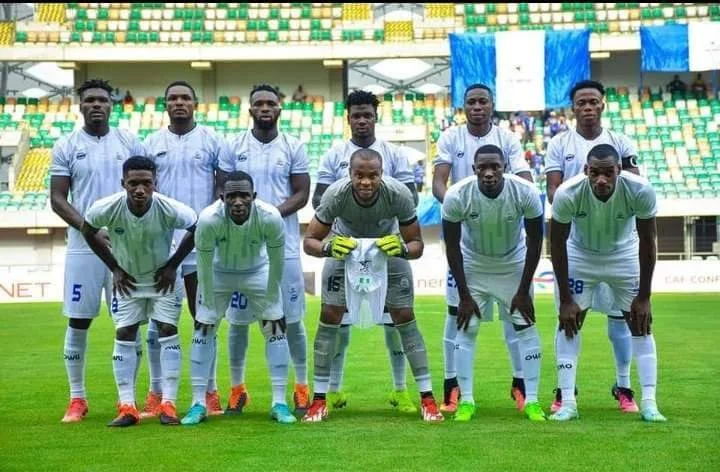
Rivers United Reflect on CAF Champions League Struggles as Team Manager Calls for Stronger Recruitment
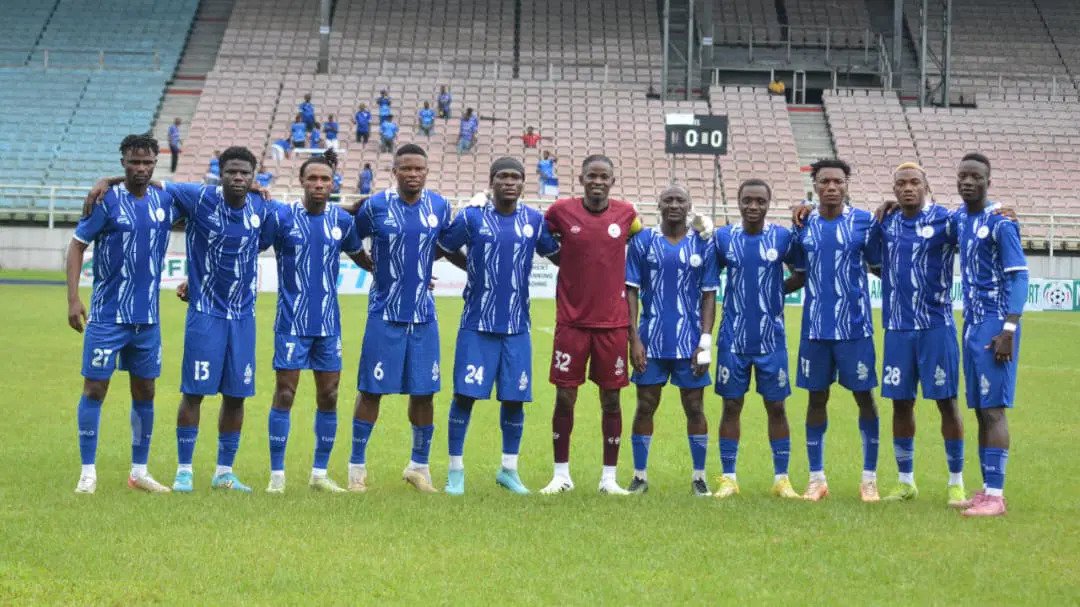
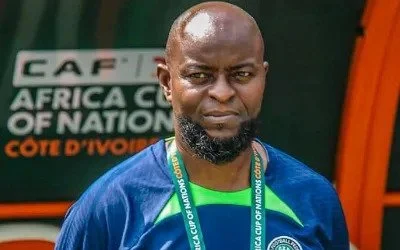
Rivers United team manager Festus Austine has opened up about the club’s disappointing outing in the CAF Champions League group stage, admitting that several challenges affected the team’s overall performance on the continental stage.
The Pride of Rivers endured a difficult campaign, managing just one point from five matches — a result that highlighted the gap between domestic success and the demands of African club football. Speaking through a statement shared on his social media handle, Austine acknowledged that the experience exposed areas that require urgent improvement, particularly in player recruitment.
According to him, competing against Africa’s top sides demands a higher level of squad quality and depth. He noted that while the team gained valuable lessons from the campaign, structural issues within the domestic league continue to make it difficult to retain top talents.
“In the group stage of the CAF Champions League, we faced some setbacks that affected our output on the continent,” Austine said. “We gained a lot of experience from what happened, but we just have to improve the quality of players we recruit at this level. Due to the financial situation in the league, most quality players do not stay, as they prefer to move abroad for better pay.”
His comments reflect a wider concern within Nigerian football, where clubs often struggle to match the financial power of North African and some Southern African teams that dominate continental competitions.
An Opinion Worth Considering
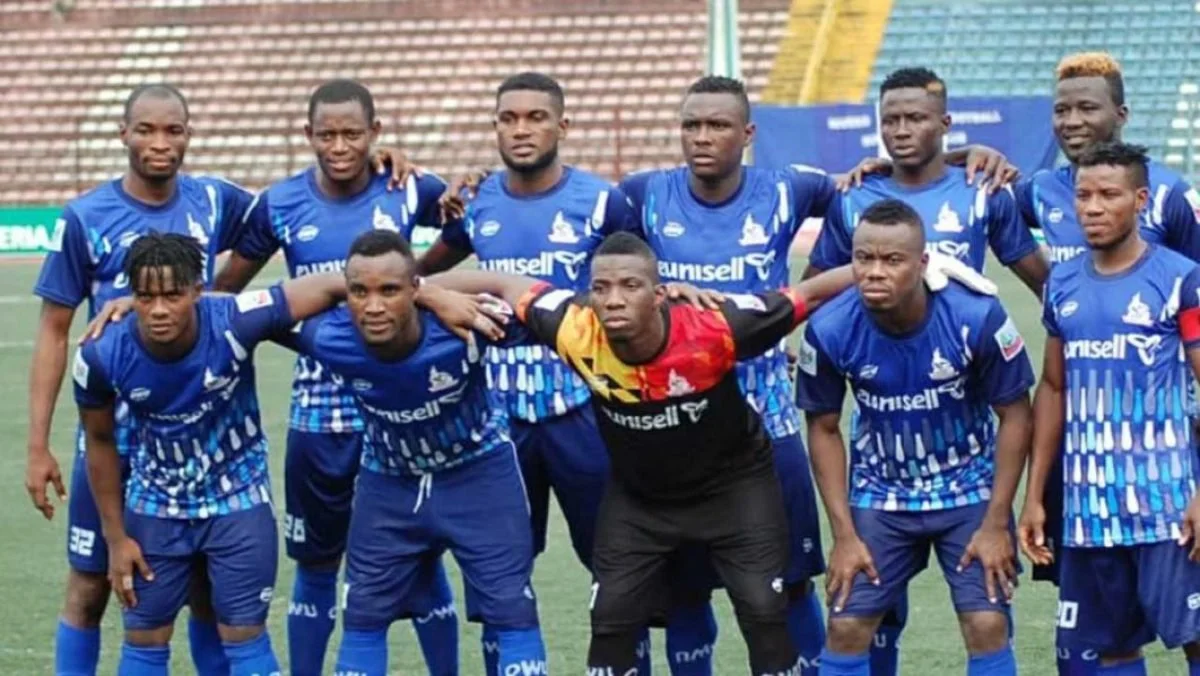
Rivers United’s struggles may feel disappointing to fans, but they also shine a light on a deeper challenge facing Nigerian clubs. Success on the continent requires not only tactical preparation but also financial stability and long-term planning. When top players leave for better-paying leagues, clubs are forced into constant rebuilding, making consistency difficult.
At the same time, Austine’s honest reflection could be a positive turning point. Acknowledging shortcomings publicly shows a willingness to evolve — something that could inspire structural changes in recruitment and youth development. Instead of chasing short-term solutions, investing in sustainable talent pipelines might help Nigerian teams remain competitive even when star players depart.
For supporters of the Pride of Rivers, the hope is that the lessons learned from this campaign will translate into smarter planning and stronger performances in future continental outings. African football continues to grow rapidly, and Nigerian clubs will need both ambition and innovation if they hope to reclaim a stronger presence among the continent’s elite.