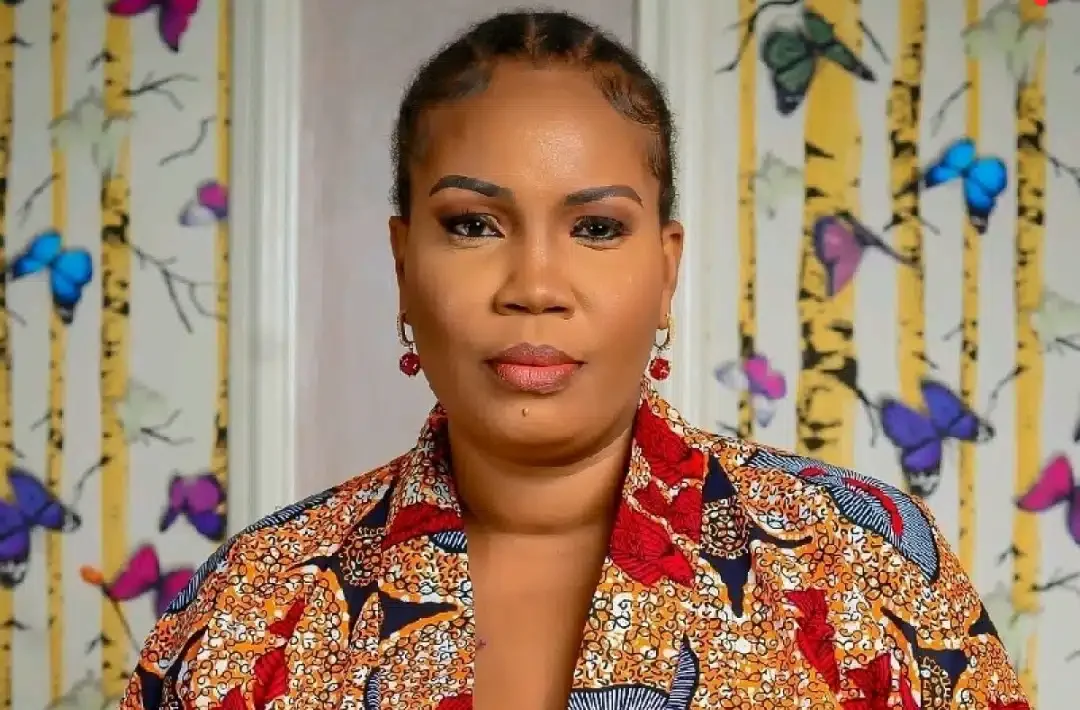
Filmmaker Biodun Stephen Opens Up About Childhood Experience with Female Circumcision
Biodun Stephen has shared a deeply personal account of her experience with female circumcision, shedding light on a cultural practice that continues to affect many girls across Nigeria and beyond.
Speaking on the Diary Of A Naija Girl podcast, Stephen revealed that she underwent the procedure at the age of six under the supervision of her grandmother. She described how the day initially felt normal — she was allowed to play and eat, unaware of what was about to happen.
“I was six. I didn’t know what was going on… then the next day they told me to lie down. The pain was searing to the brain. There was no conversation about it. My mother wasn’t… they rubbed my body like, ‘sorry my baby.’ And that was it,” Stephen recounted.
Stephen emphasized that the memory of the intense pain remains vivid even decades later, highlighting how the procedure is often passed down through generations without explanation to the children involved. She explained that in her family, female circumcision was treated as a cultural tradition, carried out by grandmothers or older women with little discussion of its purpose.
Opinion: Speaking Out Sparks Awareness and Change
Biodun Stephen’s courageous sharing is more than a personal story — it is a wake-up call about the enduring impact of harmful traditional practices. Female circumcision, often framed as a rite of passage, can leave lifelong physical and psychological scars, yet many girls undergo it without informed consent.
By openly discussing her experience, Stephen not only gives a voice to countless women who have endured similar practices in silence, but she also encourages dialogue about cultural traditions versus human rights. Her story serves as a reminder that while culture is important, it should never come at the cost of a child’s health, safety, or dignity.
Ultimately, Stephen’s reflection underscores the need for awareness, education, and community engagement. Sharing such experiences can empower parents, communities, and policymakers to protect future generations, ensuring that cultural heritage evolves without perpetuating pain.