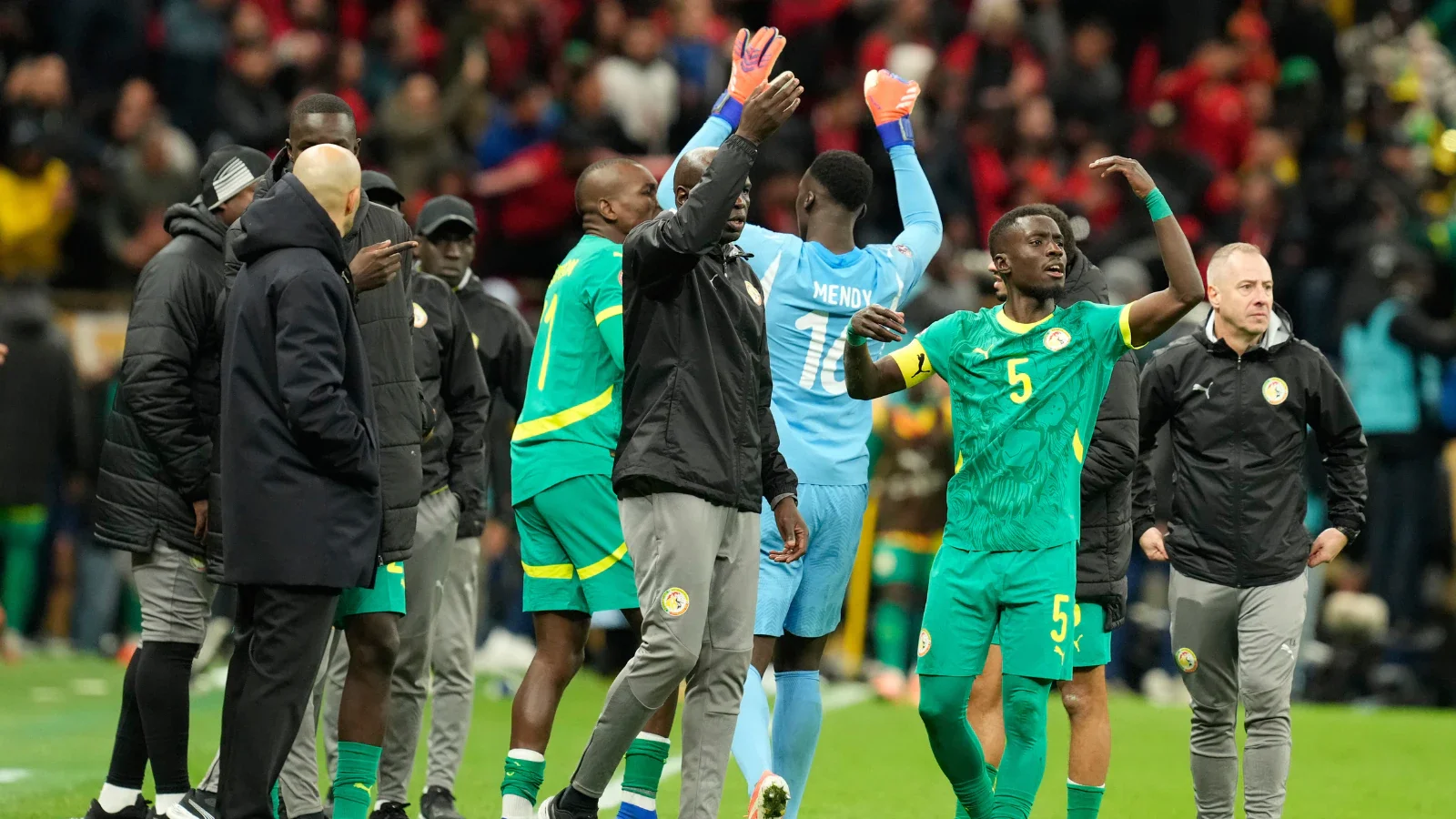
Idrissa Gueye Criticises Confederation of African Football Over AFCON Decision, Offers to Return Medals
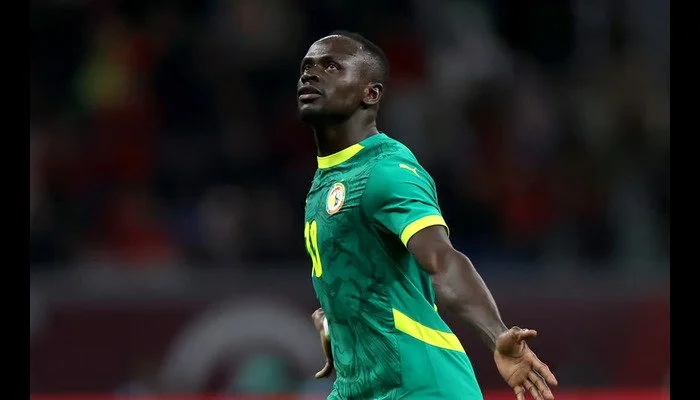
Senegal midfielder Idrissa Gueye has strongly criticised the Confederation of African Football (CAF) following its controversial decision to recognise Morocco as winners of the 2025 Africa Cup of Nations.
Speaking after Everton’s 3–0 Premier League victory over Chelsea on Saturday, Gueye described the ruling as divisive and unnecessary, insisting that Senegal still regard themselves as rightful champions.
“We know we are the African champions. For us, that doesn’t change anything,” Gueye said in a post-match interview. “This announcement feels like a distraction meant to divide Africa.”
In a surprising gesture aimed at easing tensions, the former Paris Saint-Germain star revealed he would be willing to return his winners’ medal to Morocco if it could help restore unity between the nations.
“I personally commit to collecting the medals and giving them back to Morocco if that helps ease the situation,” he added.
The dispute has already escalated beyond public statements, with the Senegalese Football Federation confirming it has taken the matter to the Court of Arbitration for Sport for resolution.
Opinion: A Decision Bigger Than Football
Idrissa Gueye’s reaction highlights just how sensitive and far-reaching CAF’s decision has become. What should have been a celebration of African football excellence has instead turned into a controversy that risks deepening divisions across the continent.
CAF’s role is to unify and develop African football, but decisions perceived as unfair or unclear can quickly erode trust. Transparency and communication are crucial in situations like this, especially when national pride and sporting integrity are at stake.
Gueye’s willingness to return his medal is symbolic—it reflects frustration, but also a desire for peace. However, gestures alone cannot resolve structural issues. The real solution lies in clear governance, fair rulings, and accountability.
Ultimately, this situation goes beyond Senegal and Morocco. It is about the credibility of African football institutions. If not handled properly, it could set a troubling precedent for future competitions and disputes.