Roy De Nani Shares Painful Nollywood Ordeal, Alleges Blacklisting and Personal Tragedies
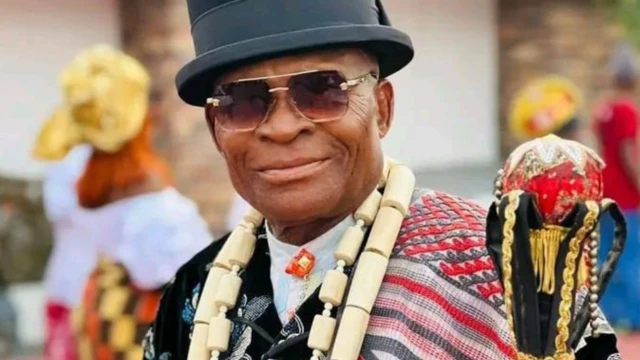
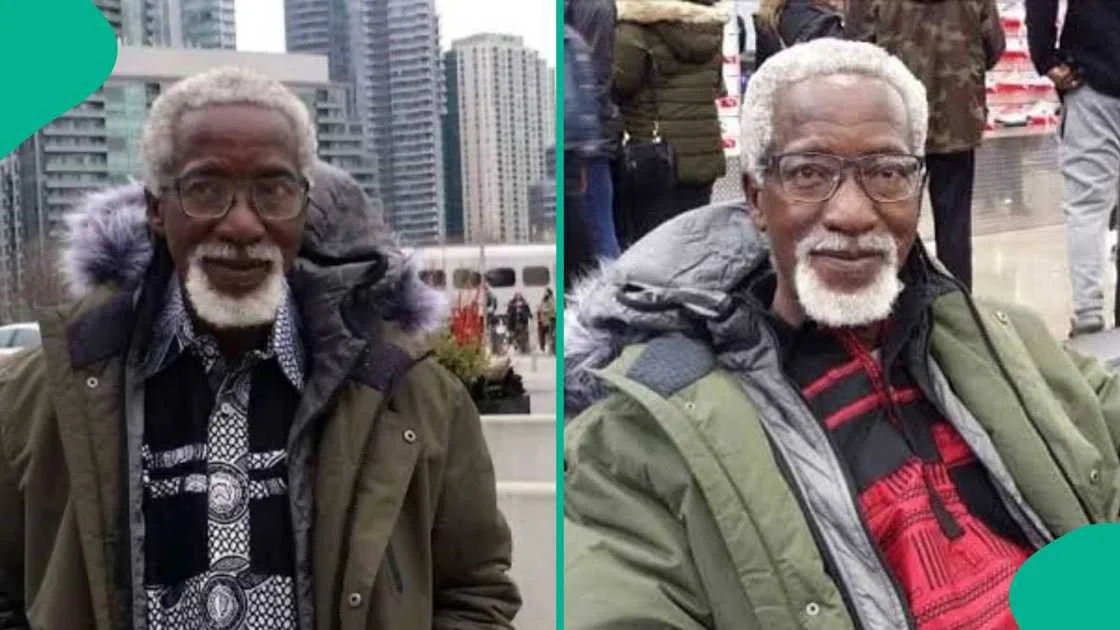
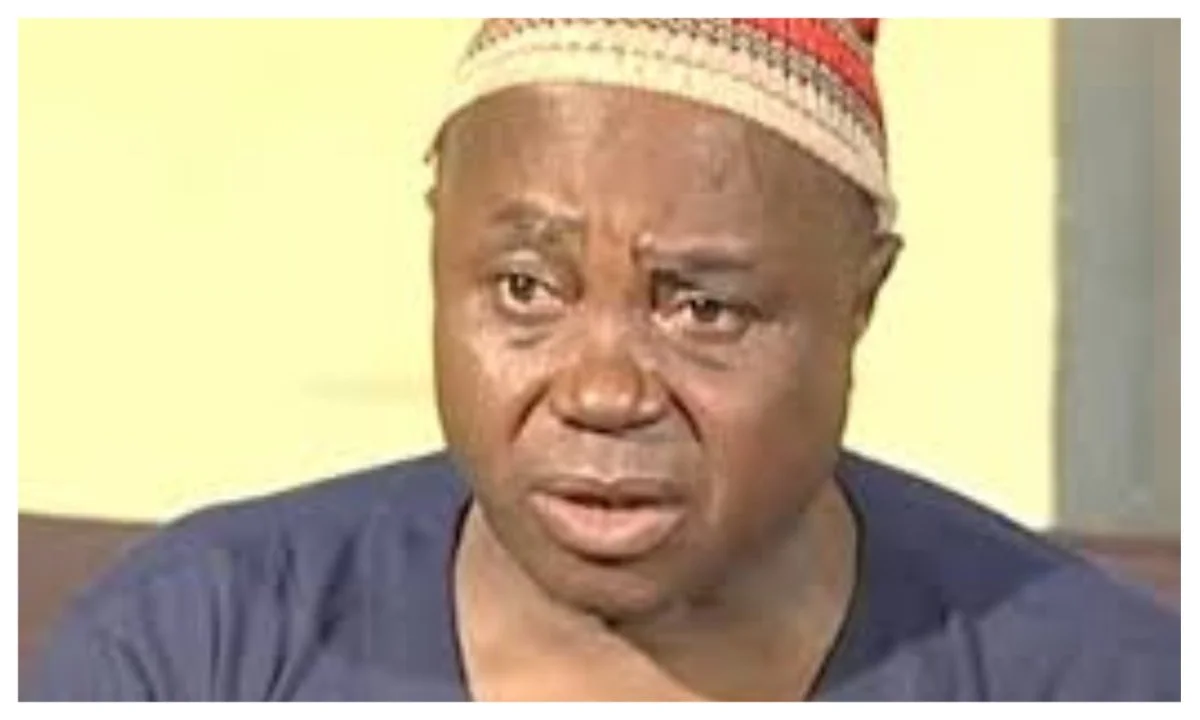
Veteran Nollywood actor Roy De Nani has opened up about the hardships he has faced both in his career and personal life, revealing a series of painful experiences that have shaped his journey in the film industry.
Speaking on the Where is the lie podcast, the actor alleged that he was at one point unofficially blacklisted, preventing him from securing acting roles.
“A man gave an order that nobody should give Roy De Nani a job again. For years, even when I was already recording, a producer would come in and say, ‘No, cancel it. Stop,’” he said.
Beyond professional setbacks, De Nani recounted emotional personal losses, including the death of his brother—an event he claimed did not receive support from colleagues in the industry.
“I have a brother from the same father. When he died, not a single actor or actress showed up,” he revealed.
The actor also shared a more devastating chapter of his life, stating that he lost both his son and daughter due to financial constraints that prevented them from receiving necessary medical care. According to him, the children were living with Sickle Cell Disorder and required regular blood transfusions.
“I lost my son, I lost my daughter… there was no money to buy the blood, and they died,” he said.
He added that, in his experience, Nollywood did not come to his aid during those difficult periods, though he suggested it may be due to a lack of awareness rather than indifference.

Opinion: A Story That Raises Uncomfortable Questions
Roy De Nani’s story is difficult to ignore—not because it is unique, but because it exposes realities often hidden behind the spotlight.
The idea of blacklisting, whether formal or informal, speaks to power dynamics within creative industries. When opportunities depend heavily on relationships and influence, talent alone doesn’t always guarantee survival.
But the more troubling part of his account lies beyond the industry—his personal losses.
The mention of Sickle Cell Disorder highlights a broader issue in Nigeria: access to healthcare. When basic medical needs become unaffordable, the consequences are not just economic—they are deeply human.
At the same time, it’s important to approach such narratives with balance. While individuals may feel abandoned, industries like Nollywood are not structured welfare systems. Support often depends on networks, awareness, and personal connections—flawed as that may be.
Still, stories like this should spark reflection.
Not just within Nollywood, but across society: how do we support people when they are no longer in the spotlight? And how do we build systems where survival is not dependent on visibility or influence?
Because behind every public figure is a private story—and sometimes, it’s far more painful than we imagine.