Femi Kuti Reveals Why Family Refused to Sell Fela’s Music Catalogue
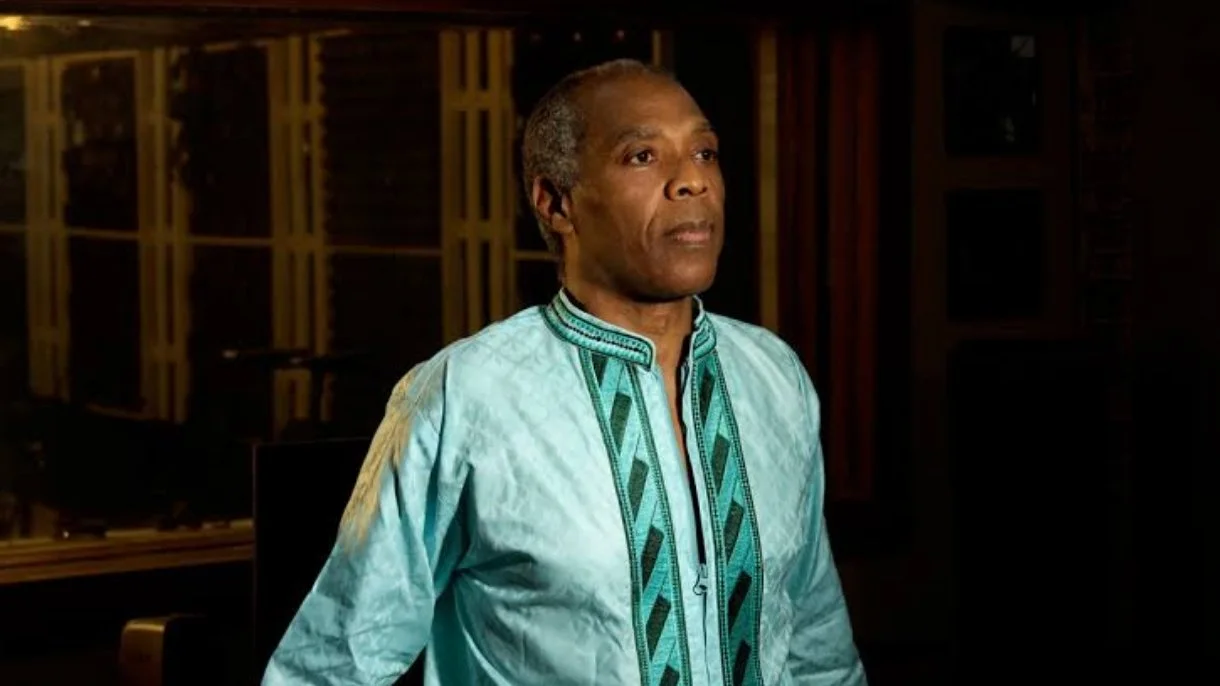
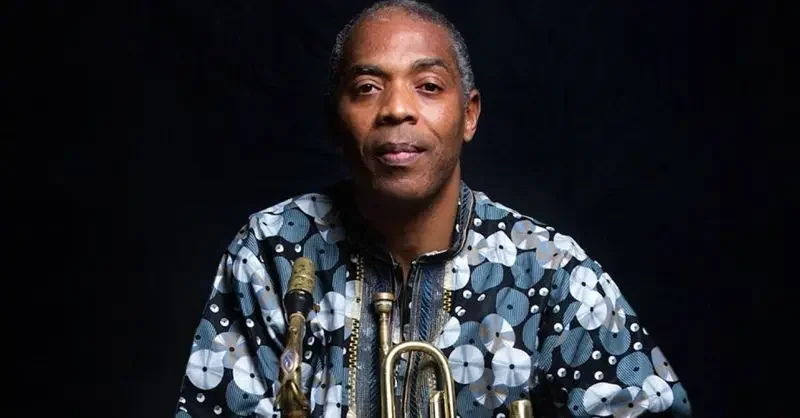
Femi Kuti has opened up on why the family of late Afrobeat legend Fela Anikulapo-Kuti has consistently refused to sell his music catalogue despite receiving multiple offers over the years.
Speaking in a recent interview, the Grammy-nominated artist explained that the decision was rooted in a shared commitment to preserving Fela’s legacy. According to him, the catalogue remains under the control of the family through Fela’s estate, ensuring that his music and message are not diluted or mismanaged.
Femi highlighted the crucial role played by his elder sister, Yeni Kuti, who strongly opposed any attempt to sell the catalogue. Describing her as the “caretaker” of their father’s legacy, he noted that her protective stance helped guide the family’s final decision.
While the catalogue has not been sold, Femi clarified that the family has entered licensing agreements with foreign companies for limited periods. This allows them to generate revenue while still maintaining full ownership and long-term control.
“If we had sold it, no royalty would be coming to the family,” he explained, adding that the current arrangement ensures both financial benefit and legacy protection. He also expressed hope that future generations of the Kuti family would continue to uphold these values.

Opinion: Legacy Over Quick Money
In an era where many artists sell their catalogues for massive payouts, the Kuti family’s decision stands out—and it says a lot about how they view Fela’s impact.
This isn’t just about music; it’s about ownership, identity, and cultural heritage. Fela wasn’t just an entertainer—he was a voice, a movement, and a symbol of resistance. Selling his catalogue might have brought immediate wealth, but it could also risk losing control over how his message is used or interpreted.
At the same time, the family’s choice to license rather than sell shows a smart balance between business and legacy. They are not ignoring financial opportunities—they’re just approaching them on their own terms.
In a world driven by quick profits, this decision feels intentional and long-term. It raises an important question for today’s artists: is it better to cash out now, or protect something that could outlive generations?
For the Kuti family, the answer is clear—some legacies are simply too valuable to sell.