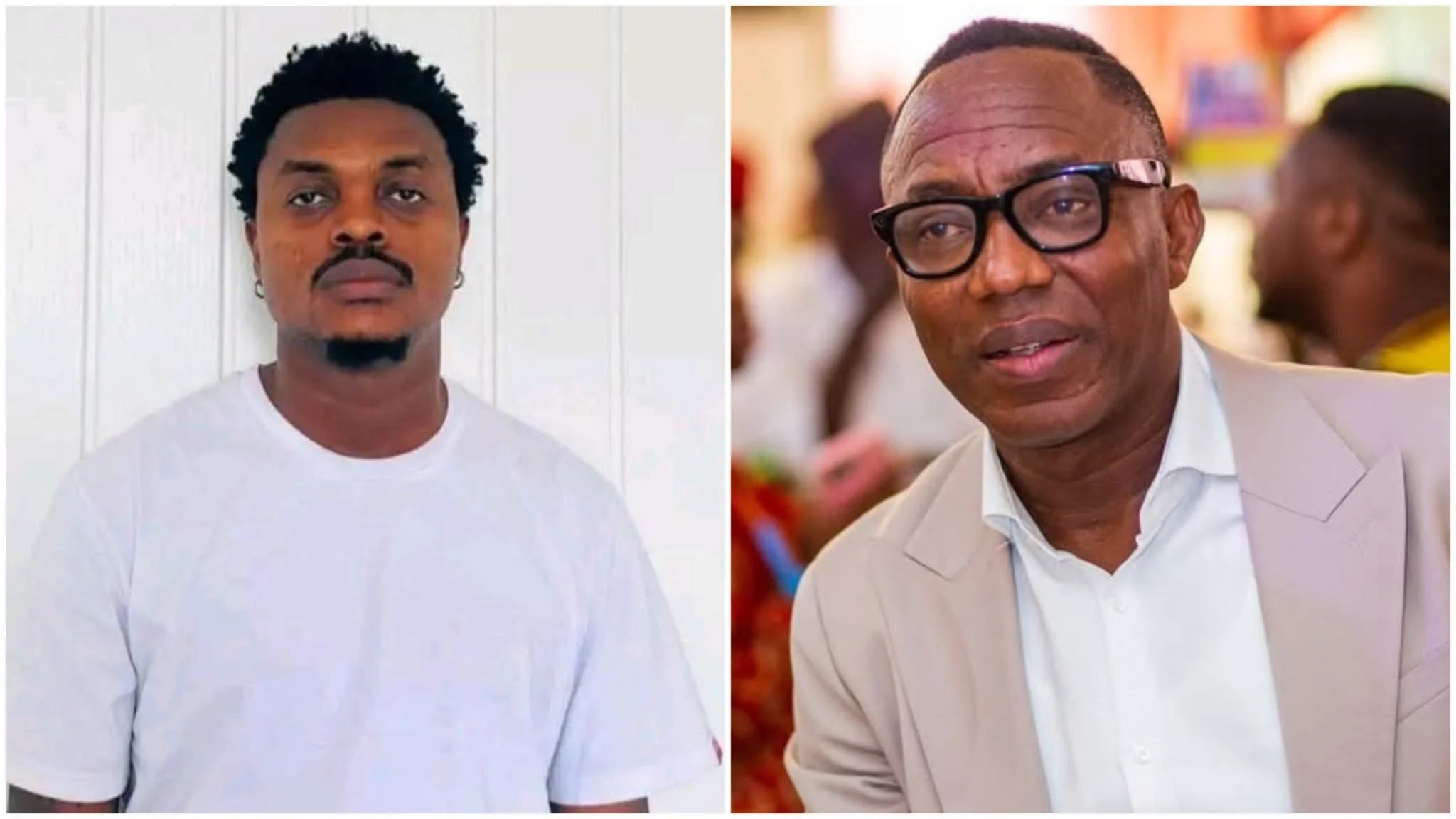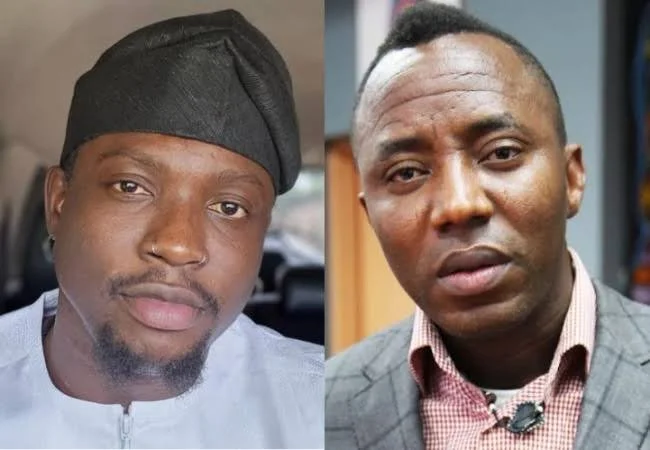
VeryDarkMan Warns Sowore Over Image Use, Threatens Legal Action Amid Blord Controversy
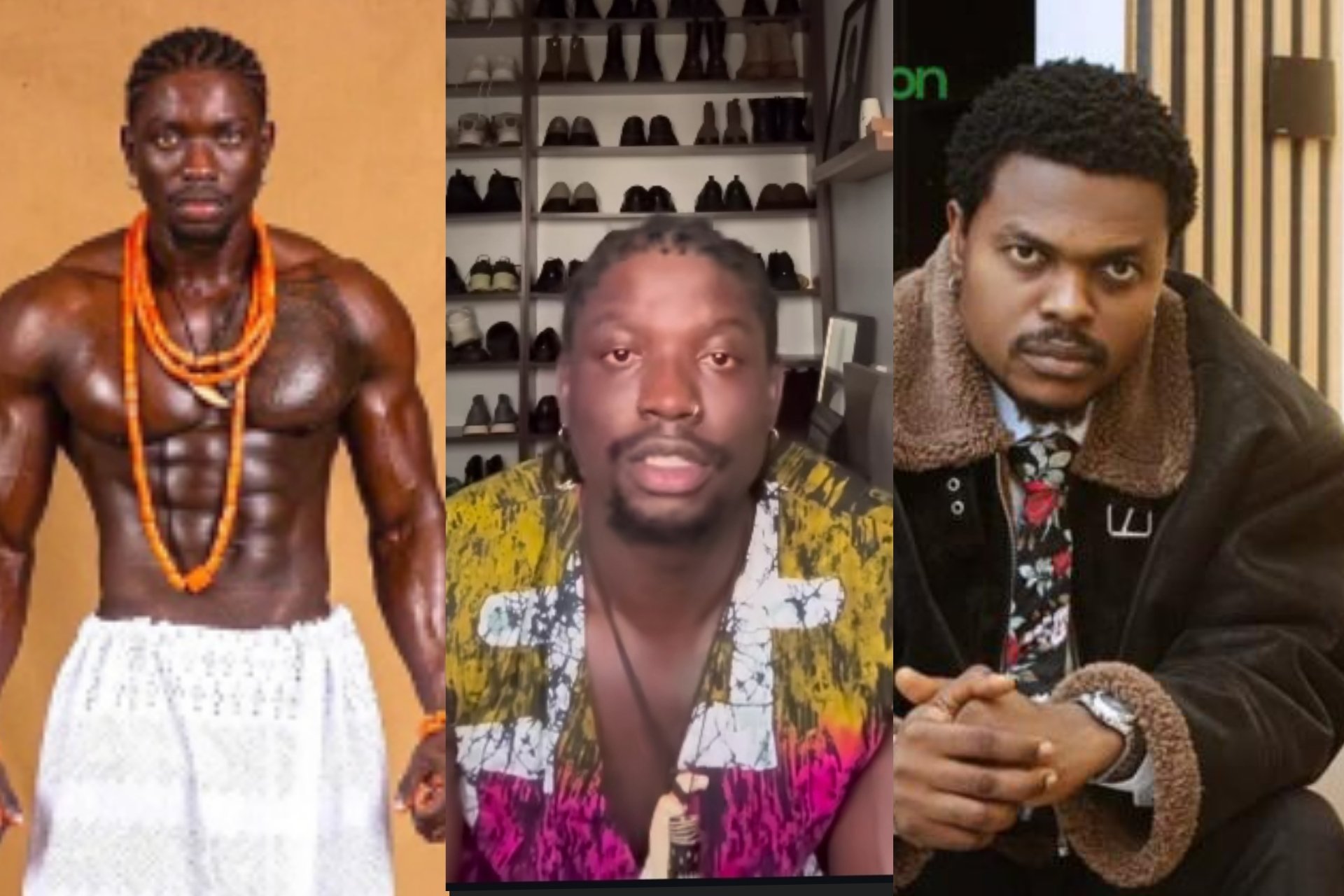
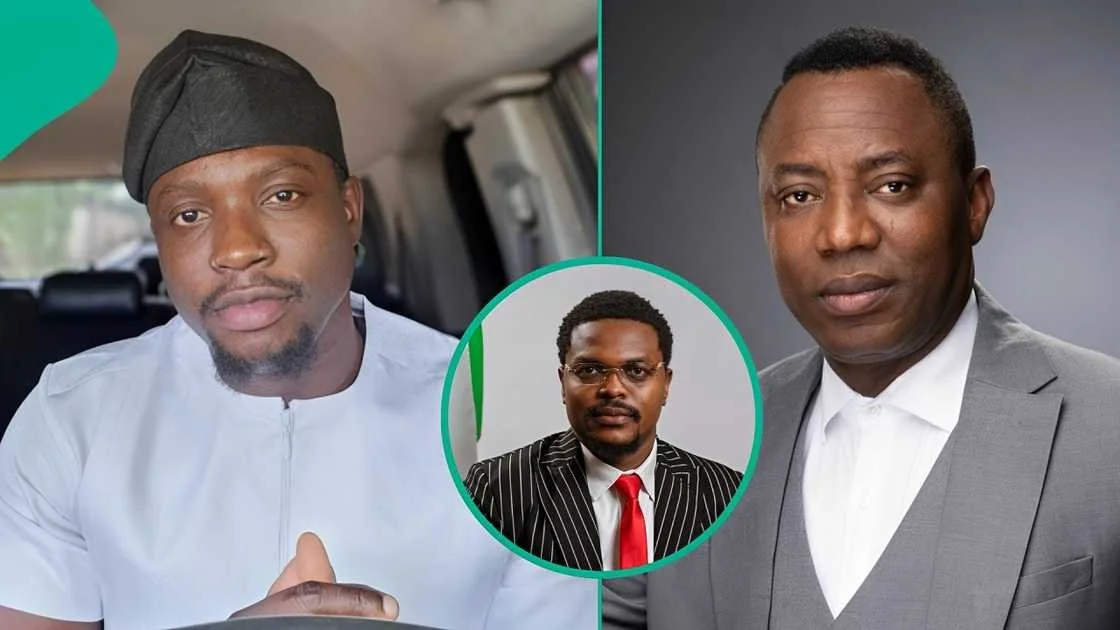
Popular Nigerian social media critic VeryDarkMan has issued a stern warning to human rights activist Omoyele Sowore, cautioning him against using his image without permission.
In a video shared on Instagram, VeryDarkMan directly addressed Sowore, alleging a lack of support and warning that any unauthorized use of his likeness—especially for promotional purposes—would lead to legal consequences. He referenced the recent case involving businessman Blord, who was remanded over allegations including impersonation, forgery, false endorsement, and identity theft linked to the critic.
VeryDarkMan stressed that similar actions by anyone, including Sowore, would not be tolerated, insisting he would pursue legal action if such boundaries were crossed.
The development comes shortly after Sowore reacted to Blord’s case, arguing that sending the businessman to prison over what he described as an “innovative strategy” should not be celebrated. His comments have since added another layer to the ongoing debate around the issue.
The exchange between the two public figures has sparked widespread reactions online, with many Nigerians weighing in on questions surrounding digital rights, personal image protection, and freedom of expression.
💭 Opinion: Where Law, Influence, and Expression Collide
This situation highlights a growing tension in Nigeria’s digital space—where personal branding, legal rights, and public commentary often clash.
On one hand, VeryDarkMan’s stance is legally grounded. In today’s world, a person’s image is part of their identity and brand, and using it without consent—especially for commercial purposes—can have serious implications. His warning reflects a broader shift where influencers and public figures are becoming more protective of their rights.
On the other hand, Sowore’s reaction introduces a different perspective—one that questions whether legal actions in such cases are always proportional. His comment about “innovation” may not sit well with everyone, but it touches on the blurred lines between creativity, satire, and infringement in the digital age.
The real issue, however, lies in balance.
Protecting individual rights is essential, but so is ensuring that laws are not perceived as tools to suppress expression or dissent. As social media continues to evolve, these kinds of conflicts will likely become more frequent.
In the end, this isn’t just about two individuals—it’s about defining the boundaries of ownership, responsibility, and freedom in Nigeria’s fast-changing online space.