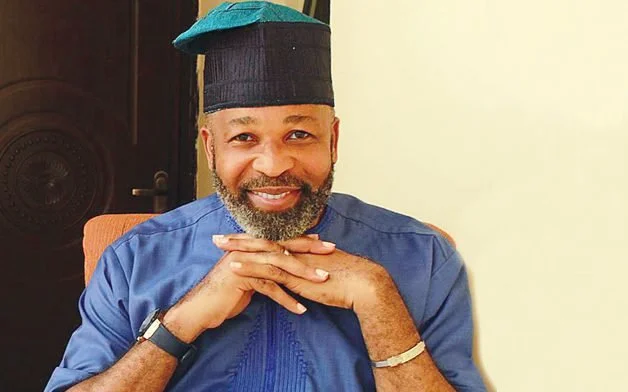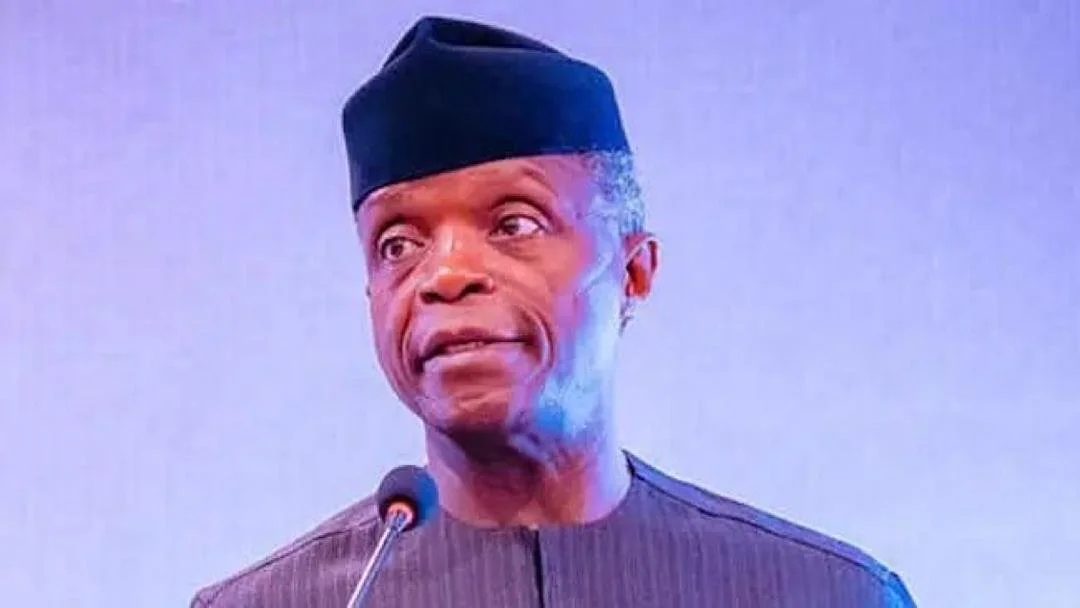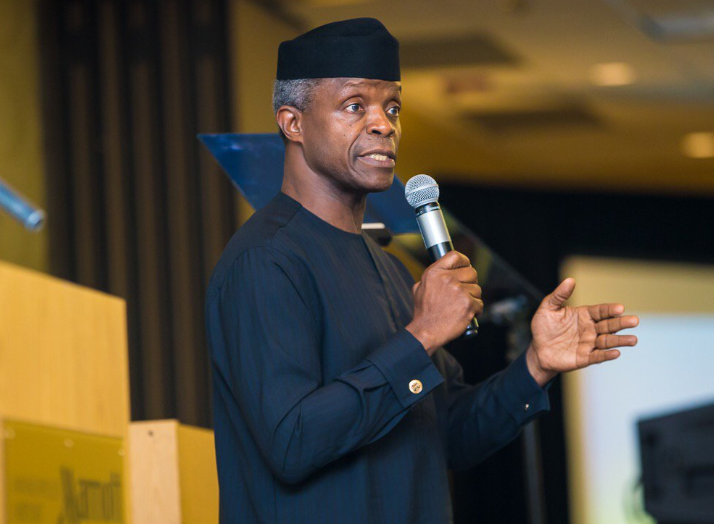
Testimony Jaga Tackles Yemi Osinbajo Over Prosperity Gospel Debate
Popular Nigerian gospel artiste Testimony Jaga has publicly criticised former Vice President Yemi Osinbajo following his recent comments on the concept of prosperity gospel.
Osinbajo had earlier sparked widespread debate after questioning what he described as the “prosperity gospel,” drawing mixed reactions across religious and public spaces.
Reacting in a video that has since circulated online, Testimony Jaga rejected the idea entirely, insisting that the term is misleading and does not reflect true Christian teaching.
“With due respect, there is no such thing as a prosperity gospel. There is only one gospel, the Gospel of Jesus Christ,” he said.
The singer went further to question Osinbajo’s authority to critique the Church, referencing his time in public office.
“If anyone wants to correct the body of Christ, it should not be someone like you. Show Nigerians what you did while you were vice president,” he stated.
Jaga also highlighted Nigeria’s socio-economic challenges, arguing that poverty remains a pressing issue that must be addressed both politically and spiritually.
“Do you understand what poverty does to people? As a politician, what have you done to address it?” he asked.
While acknowledging that there are excesses and abuses within religious institutions, the gospel singer maintained that such issues should not overshadow the central message of Christianity.
“The gospel is good news… If people are struggling, they should hear a message of upliftment, not condemnation,” he added.
He concluded by urging Osinbajo to lead by example, both in governance and ministry, by demonstrating tangible impact and support for the less privileged.

Opinion: A Necessary Debate, But One That Needs Balance
The exchange between Testimony Jaga and Yemi Osinbajo reflects a deeper and long-standing conversation within Christianity—especially in Nigeria—about faith, wealth, and responsibility.
Jaga’s argument is rooted in empathy. In a country where poverty is a daily reality for many, messages of hope, breakthrough, and upliftment resonate strongly. For many believers, faith is not just spiritual—it is also tied to survival and aspiration.
However, Osinbajo’s critique (though not fully detailed here) likely speaks to a concern shared by many: the potential abuse of faith when prosperity becomes the central message, sometimes overshadowing discipline, accountability, and service.
The truth probably lies somewhere in between.
Yes, the gospel should inspire hope and transformation. But it must also be grounded in responsibility and honesty, ensuring that vulnerable people are not misled or exploited in the name of faith.
At the same time, Jaga’s challenge to leadership—both political and spiritual—is hard to ignore. Nigerians increasingly expect not just words, but visible impact.
In the end, this debate is less about who is right and more about what the Church represents in today’s society:
Is it a place of comfort, correction, or both?
For many, the answer will determine how faith continues to shape lives in a country searching for both spiritual and economic direction.