Cubana Chief Priest Declares 2027 House of Reps Ambition Under All Progressives Congress
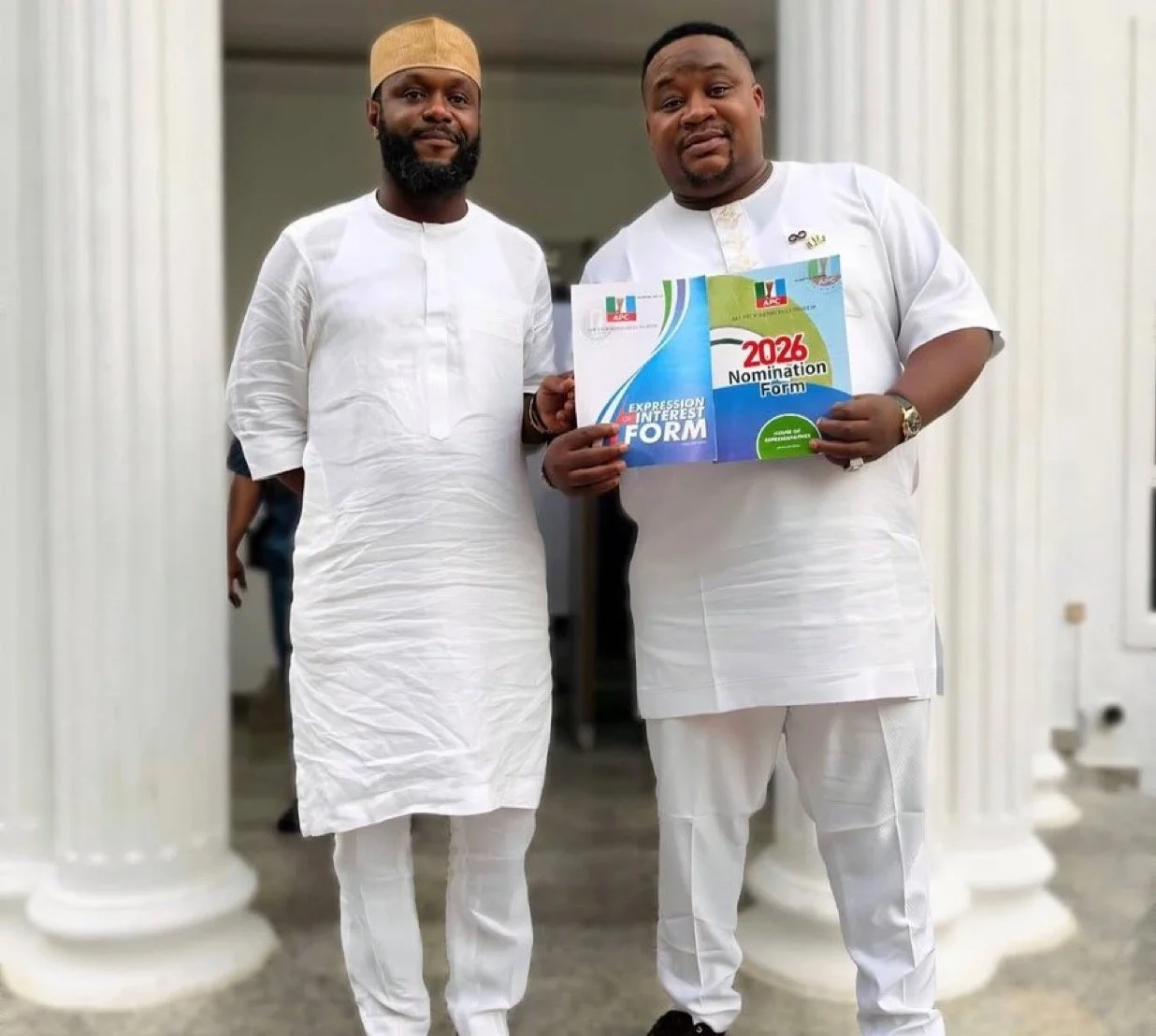
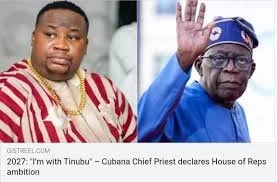
Popular socialite and businessman Cubana Chief Priest, whose real name is Pascal Okechukwu, has officially declared his intention to contest for a seat in the House of Representatives in the 2027 general elections.
He made the announcement during a visit to the All Progressives Congress (APC) secretariat in Imo State, where he informed party leaders of his desire to represent the Orsu, Orlu, and Oru East Federal Constituency.
In a video shared online, Cubana Chief Priest said his ambition is driven by a desire to serve his people and contribute to governance at the national level.
“I came to congratulate and encourage our party leaders and also to share my humble desire to represent my people at the House of Representatives,” he stated. “God is in control; let His will be done.”
During the visit, party officials reportedly welcomed his declaration, with one leader describing him as a versatile personality who has made an impact across different fields.
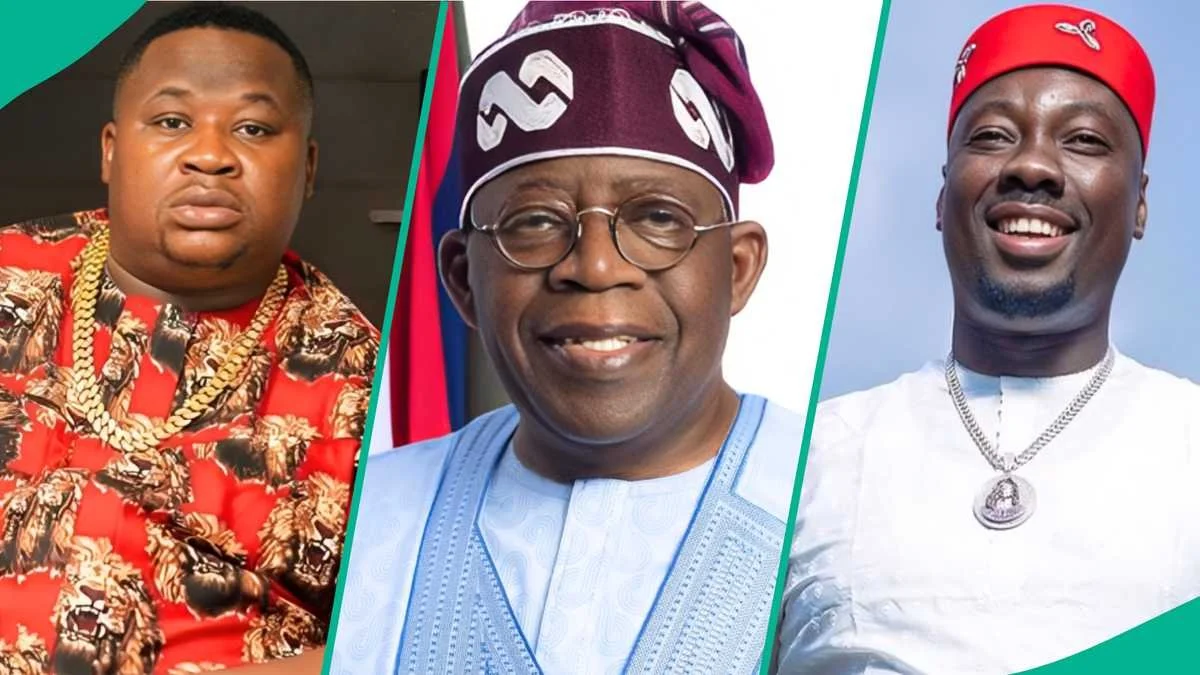
The socialite has recently been vocal in his support for the APC and President Bola Ahmed Tinubu, and currently serves as the Imo Director of the City Boy Movement, a group backing the president’s re-election bid.
Opinion: Celebrity Politics—Influence vs Experience
The decision by Cubana Chief Priest to enter politics reflects a growing trend where celebrities and influencers transition into public office.
On one hand, figures like him bring visibility, strong grassroots connection, and the ability to mobilise support quickly—qualities that traditional politicians often struggle to build. His popularity could give him a significant advantage, especially among younger voters.
However, popularity does not automatically translate to effective governance. Legislative roles require policy understanding, negotiation skills, and long-term commitment to public service—areas where experience matters.
There is also the question of motivation. Voters are increasingly asking whether celebrity candidates are driven by genuine public interest or by influence and political alignment.
Ultimately, his ambition will test how Nigerian voters weigh fame against competence. If he can combine both, he could redefine expectations. If not, it may reinforce concerns about the growing overlap between entertainment and governance.
As 2027 approaches, one thing is certain: politics in Nigeria is becoming more dynamic—and more unpredictable.