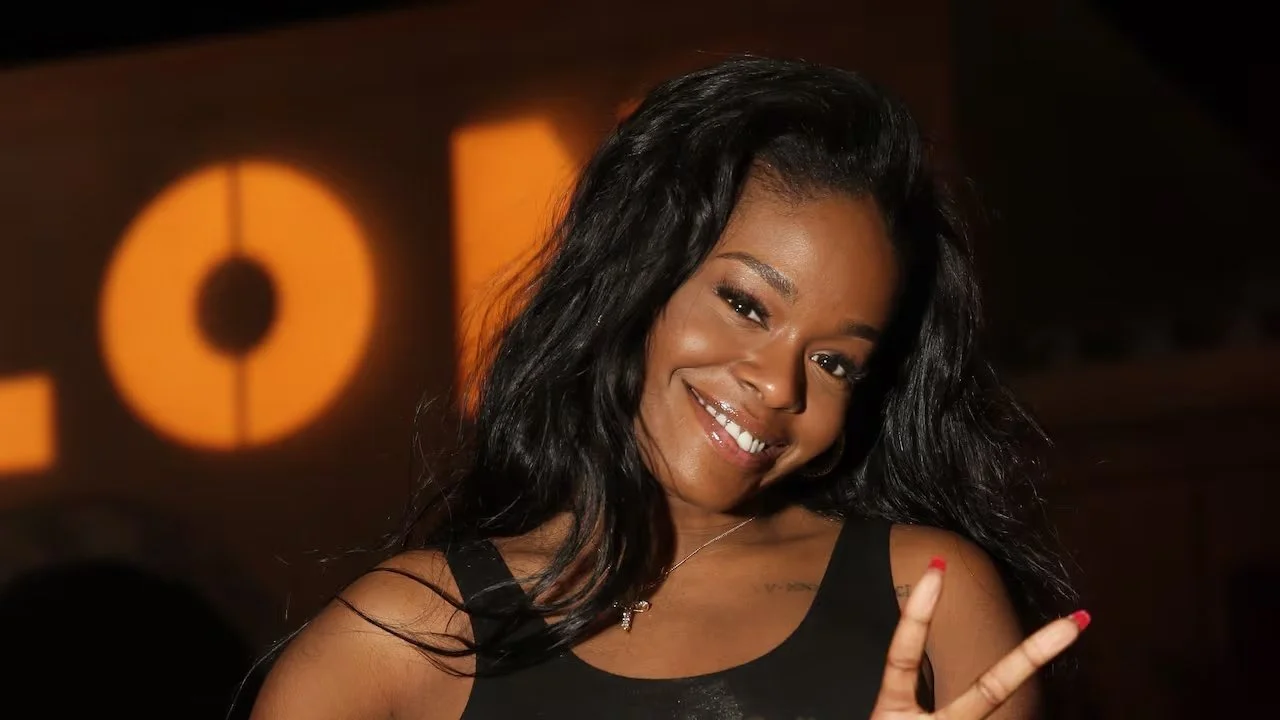
Azealia Banks Sparks Backlash After Claiming Nigerians Are ‘Cold-Hearted’ Toward Black Americans
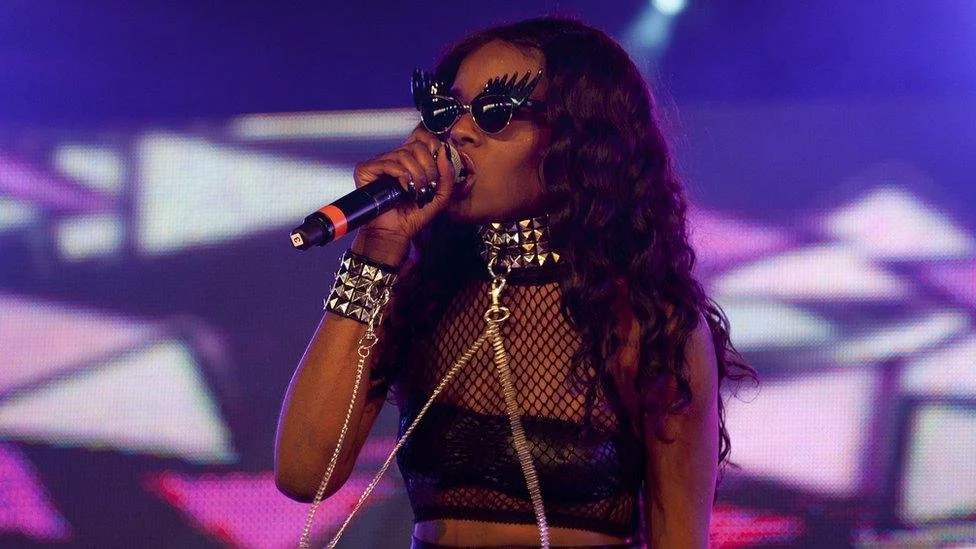
Azealia Banks has stirred controversy online after making remarks about Nigerians that triggered strong reactions across social media.
The American rapper, known for her hit song 212, claimed on her X account that Nigerians are not welcoming toward Black Americans. In her post, she alleged that Nigerians are “cold-hearted” and intentionally distance themselves from Black Americans, a statement that quickly drew criticism from many Nigerian users.
Banks contrasted her experience with Ghana, which she described as more accepting of Black Americans. She also expressed pride in what she said was her Ghanaian heritage, further fueling debate among users discussing cultural identity and diaspora relations.
Her comments were met with immediate backlash, as many Nigerians accused her of making sweeping generalizations about an entire population. Several social media users argued that her remarks were unfair and based on personal assumptions rather than broader reality.
Despite the criticism, Banks reportedly continued engaging with critics online and doubled down on her comments, extending the social media exchange and keeping the controversy trending.

Opinion: One Celebrity’s Experience Should Not Define an Entire Nation
Azealia Banks’ remarks have once again highlighted how quickly personal opinions can turn into international online controversy, especially when cultural identity is involved. Her comments may reflect a personal perception, but many people objected because they painted millions of Nigerians with a single broad brush.
The issue here goes beyond celebrity drama. Conversations between Africans and the African diaspora are often emotionally charged because they touch on history, identity, migration, and belonging. While some individuals may have negative experiences, using those to define an entire country can reinforce harmful stereotypes.
Nigeria, like any large nation, is diverse. With over 200 million people and multiple ethnic groups, it is impossible to accurately describe all Nigerians as either welcoming or cold-hearted based on isolated encounters.
At the same time, the reaction to Banks’ comments shows how sensitive questions of cultural acceptance remain between Africans and Black communities in the United States. There is often a gap between expectations of ancestral connection and the realities of modern social interaction.
In the end, this controversy may fade like many online disputes, but it raises a larger point: public figures carry influence, and their words can shape perceptions far beyond their personal experiences. That is why statements about entire cultures often provoke stronger reactions than intended.