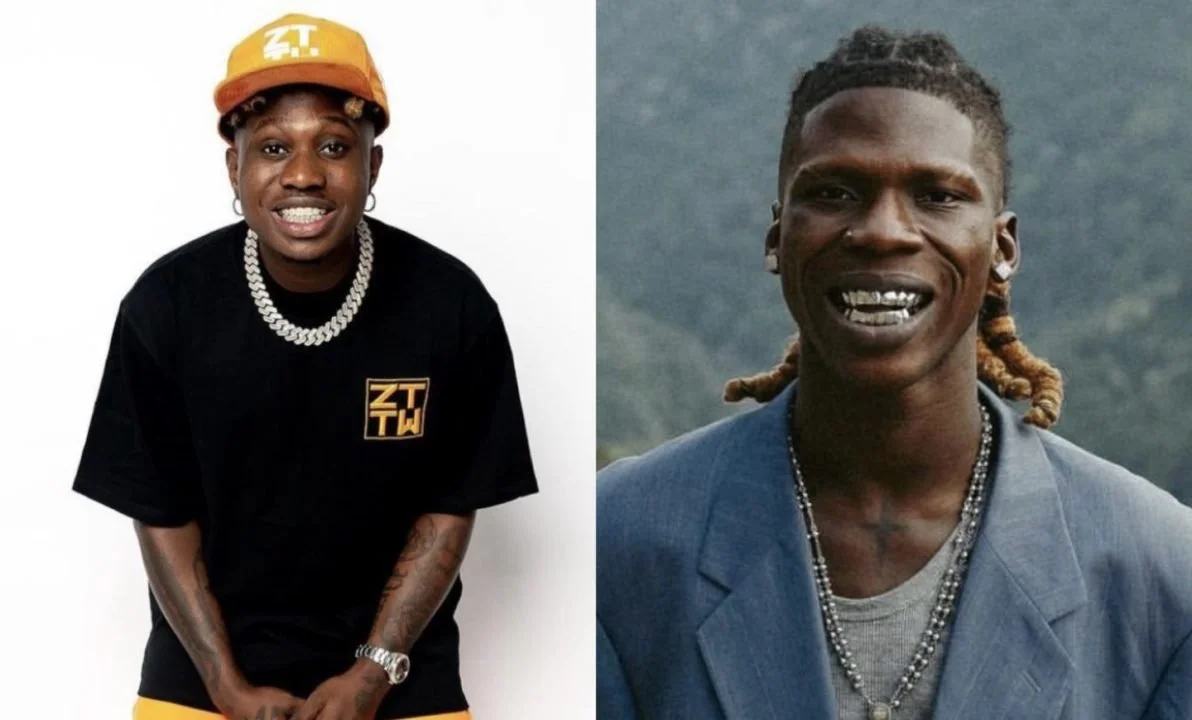
Zlatan Ibile Apologizes to Seyi Vibez After Online Clash
Nigerian rapper and singer Zlatan Ibile has publicly apologized to fellow artist Seyi Vibez following a recent misunderstanding that sparked tension between both musicians on social media.
The disagreement reportedly began on May 26 after Seyi Vibez accused Zlatan of mocking his Fuji Moto project through ad-libs on Adekunle Gold’s song Life of the Faaji. The situation escalated online when Seyi Vibez allegedly described Zlatan as a “backup artiste” and criticized his clothing line.
In a statement shared on his social media page, Zlatan dismissed the controversy as a misunderstanding and expressed disappointment that Seyi Vibez felt disrespected.
He wrote that there was no intention to diss him, adding that the matter could be resolved through proper communication and reaffirming his respect for Seyi Vibez as a “brother.”
As of the time of reporting, Seyi Vibez has not publicly responded to the apology.
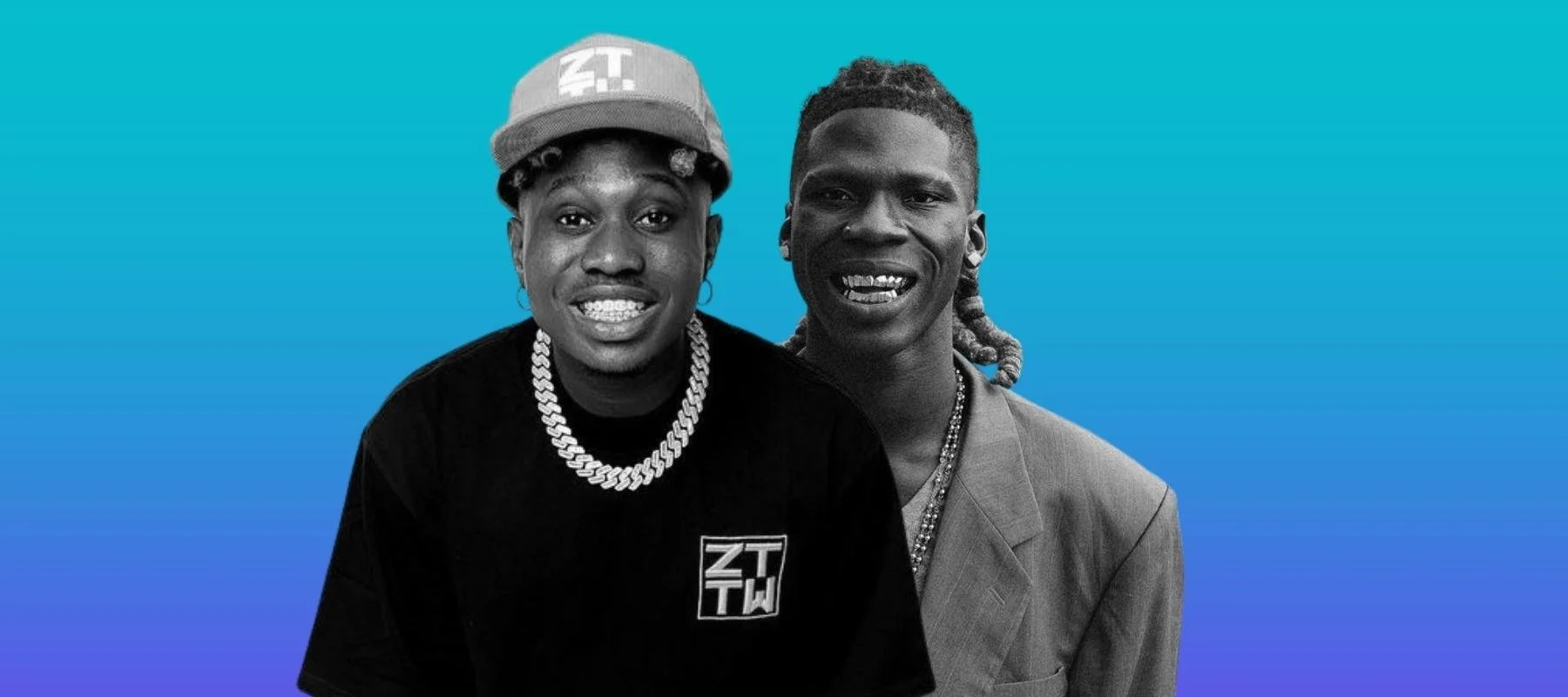
Opinion: A Familiar Pattern in Afrobeats Culture
What happened between Zlatan Ibile and Seyi Vibez reflects a recurring pattern in the Nigerian music scene — where misunderstandings between artists often escalate quickly in public before being resolved privately.
In an industry as competitive and visibility-driven as Afrobeats, social media has become both a promotional tool and a conflict amplifier. Small remarks, lyrics, or even perceived gestures can be interpreted in multiple ways once they go viral.
Zlatan’s quick apology is notable because it helps de-escalate what could have grown into a longer rivalry. In a space where fanbases often intensify artist disagreements, early clarification can prevent unnecessary division.
At the same time, Seyi Vibez’s silence leaves the situation open-ended, and how he responds will likely determine whether this remains a minor misunderstanding or develops into a longer public narrative.
Ultimately, the incident is another reminder that in today’s music industry, perception spreads faster than intention — and managing both is becoming as important as the music itself.