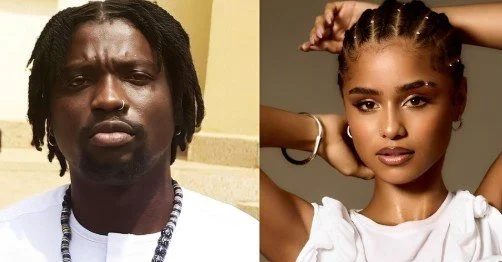
VDM Opposes Tyla’s Lagos Concert, Threatens Protest Over Xenophobic Attacks on Nigerians
Social media activist Martins Vincent Otse, popularly known as VeryDarkMan (VDM), has called on the organisers of South African singer Tyla’s scheduled Lagos concert to cancel the event, citing continued xenophobic attacks against Nigerians in South Africa.
In a video shared on his official Facebook page on Thursday, VDM declared that the concert, slated for December 22, 2026, should not go ahead under the current circumstances.
According to the activist, it would be unacceptable for a South African artiste to profit from Nigerian fans while many Nigerians continue to face hostility and alleged discrimination in South Africa.
"There will be no Tyla concert in Nigeria. It is not happening," VDM said.
"This is a warning to the organisers and the show promoters bringing Tyla to Nigeria. That show is not happening.
"Not when Chidinma Adetshina is battling deportation in a South African court. Now you want to bring Tyla to make money from Nigerians—the same Nigerians that some South Africans hate so much.
"If you go ahead with that show, we will come to the venue and we will bring the show down."
The comments come amid renewed public debate over diplomatic relations between Nigeria and South Africa. Several Nigerians have also urged a boycott of the concert following reports of xenophobic incidents and recent visa-related disputes involving Nigerian artistes.
Tyla's management recently unveiled her global tour schedule, with Lagos listed as one of the stops, sparking mixed reactions online.
As of the time of filing this report, the concert organisers and Tyla's representatives have not publicly responded to VDM's remarks.

Opinion: Protest Is a Right, But Peace Must Remain the Priority
The frustration expressed by many Nigerians over xenophobic attacks in South Africa is understandable, especially when reports of violence, discrimination, or unfair treatment continue to emerge. Calls for stronger diplomatic action and public advocacy are legitimate ways to demand accountability.
However, threatening to disrupt a public event raises concerns. Peaceful protests, consumer boycotts, and diplomatic engagement are lawful avenues for expressing dissatisfaction, while disrupting an event could endanger attendees, workers, and security personnel who have no role in the underlying political issues.
Ultimately, the dispute extends beyond any individual artiste. Resolving tensions requires meaningful engagement between both governments to ensure that citizens of both countries are treated with dignity, respect, and equal protection under the law.