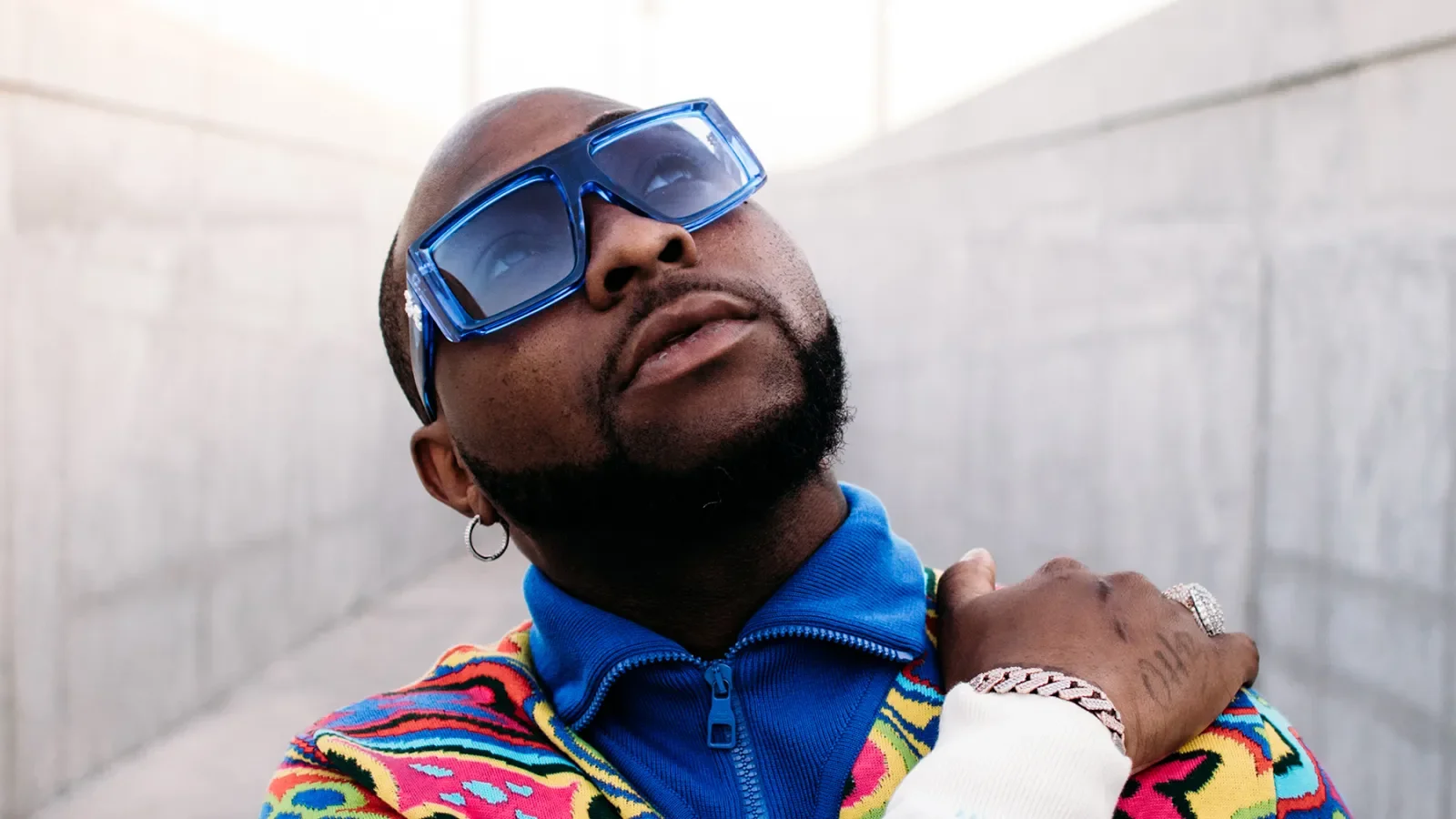
Davido Reveals Plan to Reclaim Music Masters, Secure Royalties for His Children
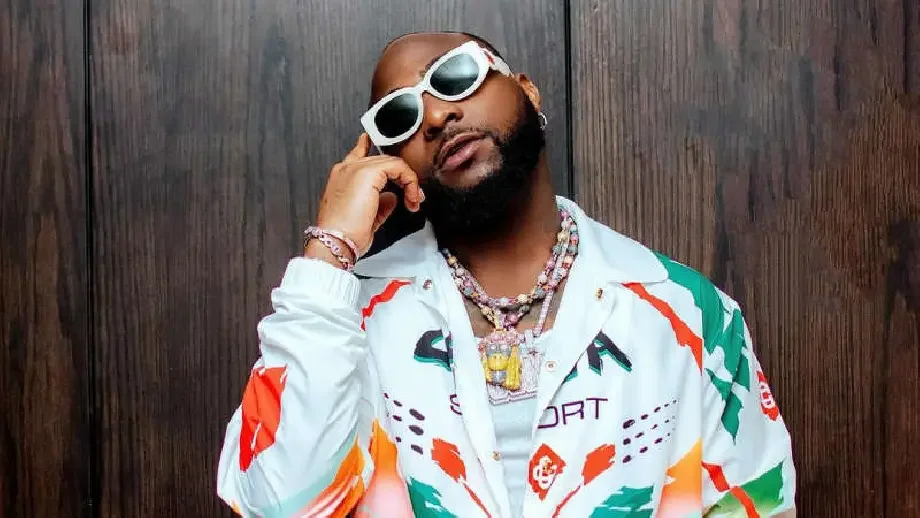
Nigerian Afrobeats superstar Davido has disclosed plans to regain ownership of his music masters from his record label before eventually stepping away from active music-making.
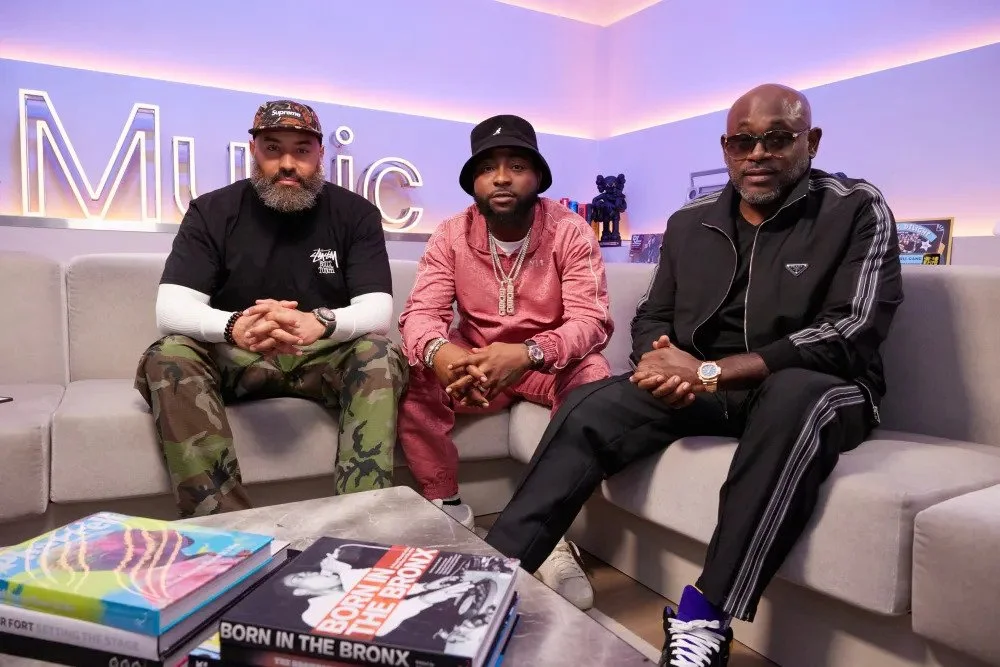
The award-winning singer, whose real name is David Adeleke, made the revelation during an appearance on The Long Form podcast, where he discussed the importance of ownership and long-term financial planning in the music industry.
According to Davido, while he currently enjoys a favourable recording contract, true power in the music business lies in owning one's intellectual property.
"I have a good music contract. But the most important thing is ownership. I plan to get my masters back from Sony soon. With that I can give each of my kid songs they will keep earning royalties from even after I retire."
The singer explained that his goal is to eventually assign portions of his music catalogue to his children, allowing them to continue benefiting from royalties generated by his songs long after his career ends.
Davido also stressed the need for artists to pay close attention to the business side of entertainment, arguing that commercial decisions can be just as important as creative success.
Why Music Masters Matter
Music masters refer to the original recordings of songs. Whoever owns those recordings typically controls how they are licensed, distributed, and monetised, often receiving a significant share of the revenue generated through streaming, radio play, film placements, and other commercial uses.
In recent years, ownership of masters has become a major topic within the global music industry, with many artists seeking greater control over their catalogues and long-term earnings.

Opinion: Davido's Focus on Ownership Reflects a Growing Industry Shift
Davido's comments highlight an increasingly important conversation within modern music: the difference between fame and ownership.
For many artists, signing lucrative record deals can provide immediate opportunities and global exposure. However, ownership of music rights often determines who benefits most from a catalogue over decades rather than years.
What makes Davido's approach particularly noteworthy is his emphasis on generational wealth. Rather than viewing his songs solely as artistic achievements, he appears to see them as long-term assets that can continue providing financial value for his family.
His remarks also reflect a broader trend among successful musicians worldwide who are seeking greater control over their intellectual property. As streaming continues to reshape the industry, ownership of masters has become one of the most valuable forms of leverage an artist can possess.
For emerging artists, Davido's message serves as a reminder that understanding contracts, royalties, and publishing rights is just as important as creating hit records. Talent may open doors, but ownership often determines who truly benefits from success in the long run.
If Davido succeeds in reclaiming his masters, it would represent another significant milestone in a career already defined by commercial success, while reinforcing the growing importance of artist ownership in the global music business.