Lizzo Blames Streaming Era for Declining Fanbase, Says Her Career Has Faced Public Attacks
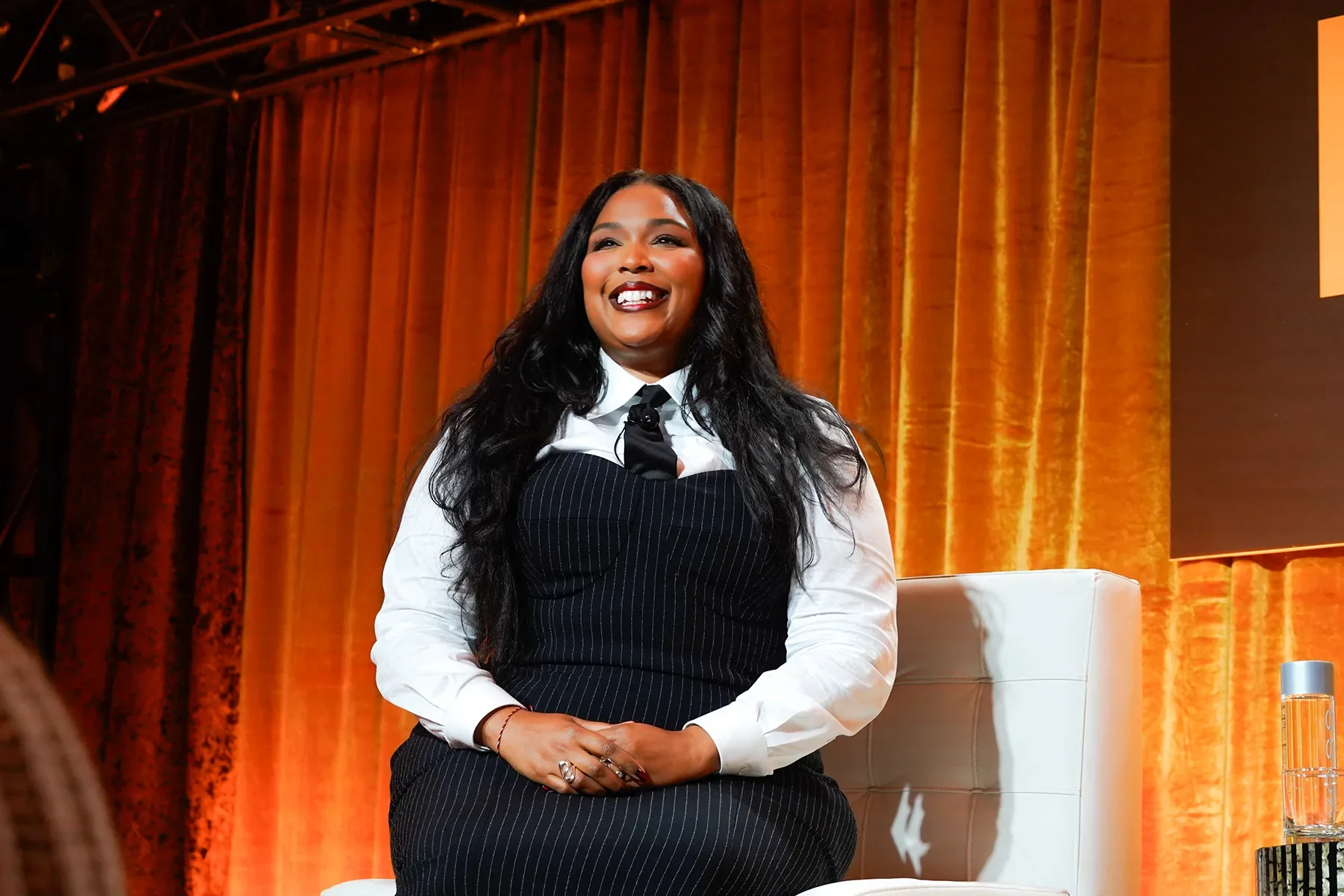
Grammy Award-winning singer and rapper Lizzo has opened up about the challenges affecting her career, attributing her shrinking fanbase partly to the music industry's transition from traditional radio to streaming platforms.
The American star made the revelation while responding to a fan on X who observed that her fanbase appeared to have declined over the past two years.
In her response, Lizzo explained that radio played a crucial role in her rise to fame and helped millions of listeners discover her music. However, she believes the industry's rapid shift toward streaming has significantly altered how artists connect with audiences.
"The industry changed so much in the last three years. Streaming replaced radio and I was a radio darling. That's how my fans discovered my music," she wrote.
Beyond the changing landscape of music consumption, the singer also suggested that controversies and negative publicity surrounding her career have had a lasting impact on her popularity.
Lizzo claimed that her career has been subjected to public attacks, making it more difficult for her to maintain the level of support she once enjoyed at the peak of her success.
Despite the challenges, the singer indicated that she remains determined to keep pushing forward and adapt to the realities of the evolving entertainment industry.
Is Lizzo Right About the Streaming Shift?
Lizzo's comments touch on a broader issue facing many artists in the modern music era. For years, radio stations served as powerful gatekeepers, helping artists build loyal audiences through repeated airplay. Hit songs could dominate the charts for months and become household staples through radio exposure alone.
Today's music ecosystem operates differently. Streaming platforms rely heavily on algorithms, playlists, social media trends, and user behavior. While this system has created opportunities for independent artists, it has also made it easier for listeners to move quickly from one trend to another.
In many ways, Lizzo's argument reflects the reality that success in the streaming age requires a different strategy than success during the radio era. Artists who thrived through traditional promotion must now compete in an environment driven by viral moments, digital engagement, and constant online visibility.
However, industry observers may also argue that fan loyalty is influenced by more than technology alone. Public perception, controversies, artistic evolution, and changing consumer tastes all play significant roles in shaping an artist's popularity.
Whether one agrees with Lizzo's assessment or not, her comments highlight the challenges many established performers face as the music industry continues to evolve. The transition from radio dominance to streaming culture has transformed the rules of stardom, forcing artists to continually reinvent how they reach and retain their audiences.