A Bronze in Glasgow and a Blocked Exit to Türkiye: Amusan, Ofili and the System That Keeps the Receipts
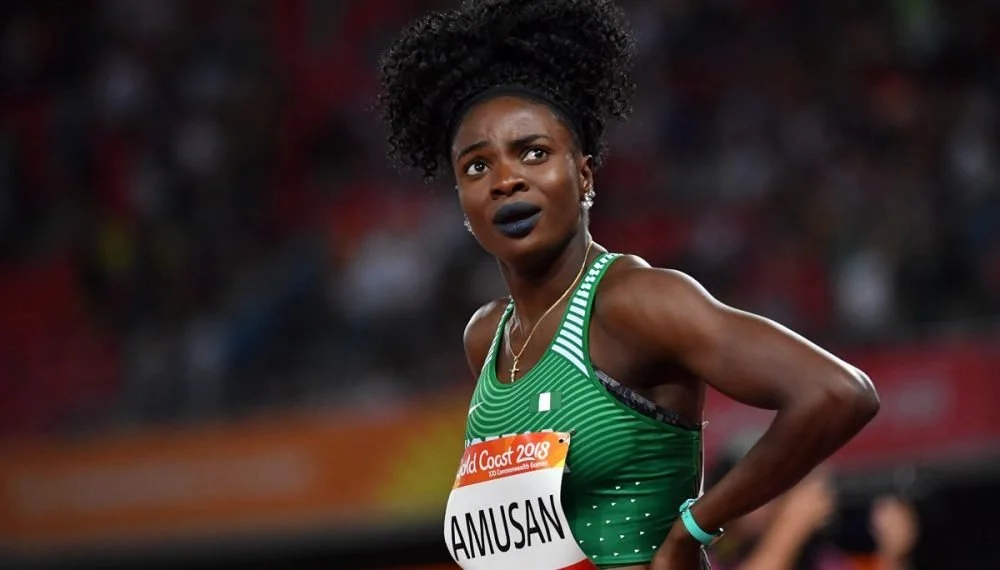
Tobi Amusan crossed the line in Glasgow in third place, and somehow that felt like the good news story of Nigeria's week. Sit with that for a second. A bronze medal, not gold, being the highlight of the week — that should tell you something about the state of the system behind her, and it is worth saying so before the celebration drowns out the question.
Amusan led a 29-member Nigerian athletics squad — 16 women, 13 men — into the 2026 Commonwealth Games as the reigning 100m hurdles champion, according to Athletics Africa. She left with bronze, not gold — but she left with a medal at all, which by the standards of the past fortnight in Nigerian sport counts as a triumph worth celebrating on its own terms.
Meanwhile, the athlete who was supposed to be Nigeria's other headline in Glasgow was not there at all. Favour Ofili did not compete — and the reasons why say more about Nigerian athletics than anything that happened on the track that week.
The Medal That Came Anyway
Let's be honest about what a Commonwealth bronze actually represents here, rather than just applauding the podium photo. Amusan went to Glasgow as the reigning champion in her event — the name Nigeria was building its Games around, the athlete expected to defend a title she already held — and came home with the third step of the podium instead of the top one.
That is not a disaster by any normal reading; hurdling is a sport where fractions of a second separate gold from missing the podium entirely, and bronze at a Commonwealth Games is still an elite result by any global standard. But it is also not nothing that Nigeria's brightest track star keeps compiling major-championship medals — Commonwealth bronze in Glasgow now, world silver in Tokyo before that — while the federation around her keeps finding new ways to become the story instead of staying out of it.
A pattern of medals won in spite of, rather than because of, the people meant to be supporting an athlete is not a compliment to the system. It is an indictment dressed up as good news, and it deserves to be read as one.
The Athlete Who Wasn't There
Favour Ofili's absence from Glasgow is where the reporting gets genuinely messy, and it's worth saying so plainly rather than pretending the record is clean. Pulse Sports reported in April 2026 that Ofili was 'set for Nigeria return' ahead of the Games. She did not compete for Nigeria in Glasgow at all, having felt hard done by since the Paris Olympics — two accounts that sit uneasily together, and we're not going to pretend otherwise.
The same month, World Athletics' Nationality Review Panel denied her request to switch allegiance from Nigeria to Türkiye altogether, citing integrity concerns.
"I moved to Turkey to save my career from officials," Ofili told The Guardian.
Read that quote again. That is not an athlete chasing a bigger payday or an easier path to qualification. That is an athlete on record saying she tried to leave her own country's colours because of how she was treated by the people running the sport — and was told by an international panel, not even a Nigerian body, that she could not.
The Kit Bags Nobody Forgot
None of this happened in a vacuum, and it did not start this year. At the Tokyo 2025 World Championships, Amusan publicly criticised the Athletics Federation of Nigeria after kits were delivered to athletes in what she described as 'small nylon bags' — the kind of small, avoidable indignity that tends to say more about an organisation's priorities than any official statement ever could.
AFN president Tonobok Okowa's response was to point out, pointedly, that Amusan alone had 'flown business class' — as if superior treatment for the team's single biggest star settled a complaint about how everyone else travelling under the same flag was equipped, per Punch. Blessing Okagbare backed Amusan publicly and had her own words for the federation, adding another voice to a complaint the AFN seemed determined to treat as a personal grievance rather than a systemic one.
Amusan won 100m hurdles silver at those Tokyo Worlds anyway, telling ESPN afterwards that she had shaken off what she called 'PTSD' from the city — a word choice serious enough that nobody covering that story should have let it pass without noticing it, and serious enough that it shouldn't need repeating a year later for it to still register.
Who Actually Fails Nigerian Athletes
Put the three stories side by side and a pattern, not a coincidence, appears. A federation that answers a kit complaint by talking about business-class flights instead of the nylon bags everyone else received. A panel outside Nigeria that has to step in to keep an athlete wearing Nigeria's colours, against her own wishes, after she says officials drove her toward the exit. A star who wins anyway, medal after medal, in spite of the row rather than because anyone smoothed the way for her.
We keep score of the podiums. We should keep the same receipts on everything that happened before the athletes ever got to the start line.
That is not a call for cynicism about Amusan's bronze, or about the squad she led to Glasgow. It is a call to stop being surprised when Nigerian athletes succeed despite their federation, and to start asking, loudly and often, why that keeps being the story instead of the exception.
Amusan's bronze will be filed away as a good week for Nigerian sport. It was. It was also a result the system did nothing to deserve.