3.7 Times Oversubscribed: Inside Dangote Refinery's $2.5 Billion Raise and the October IPO Behind It
For a company that has spent years financed almost entirely on debt and one man's balance sheet, this week marked something genuinely new for the Dangote Petroleum Refinery: outside money, arriving by choice, in a queue.
Africa Finance Corporation led a group of strategic investors into a $2.5 billion private placement in Dangote Petroleum Refinery and Petrochemicals FZE, confirmed on August 14. It is the refinery's first equity capital raise to bring in investors beyond its existing ownership structure — and the offer was oversubscribed 3.7 times over, according to ThisDay. The company is calling it Africa's largest publicly disclosed primary equity private placement by value.
What the Money Is For
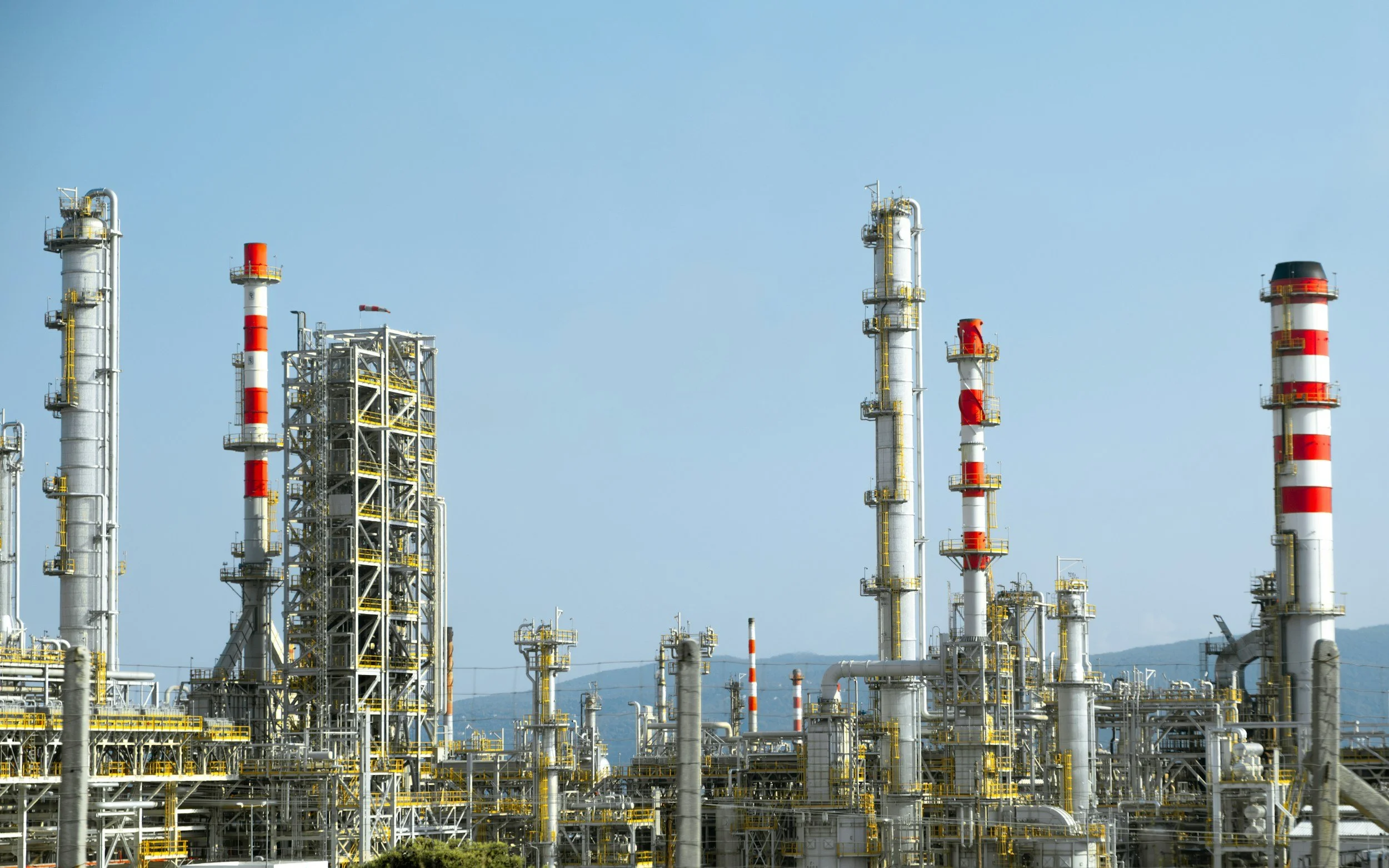
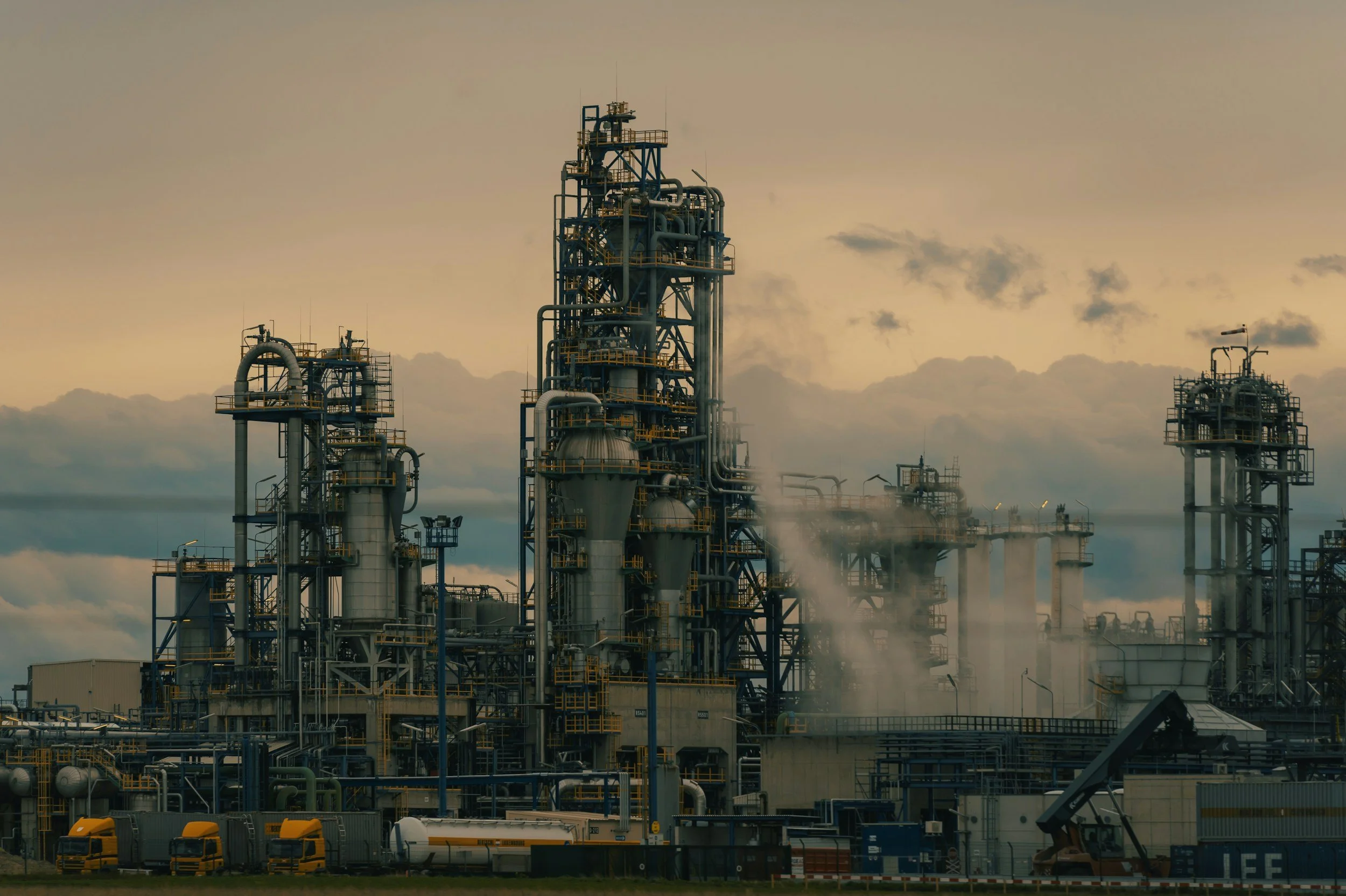
The raise is being pitched as a capacity play. Dangote's Lekki refinery, already the largest single-train facility of its kind in the world, is targeting an expansion to 1.4 million barrels per day, per ThisDay's reporting on the deal. That kind of jump requires capital well beyond what one conglomerate, however large, typically wants sitting on its own books as debt — hence the pivot to outside equity investors, led by a development finance institution with a mandate to back exactly this sort of continental infrastructure.
It also sends a signal to markets beyond Nigeria: that a refinery built almost entirely on Aliko Dangote's own appetite for risk is now being treated as an investable, income-producing asset in its own right, rather than a single billionaire's very expensive bet.
Who AFC Actually Is
Africa Finance Corporation is not a conventional private investor chasing a quick return. It is a multilateral development finance institution, backed by a roster of African and international shareholder governments and institutions, with an explicit mandate to close the continent's infrastructure financing gap — the kind of gap that has historically left projects the size of Dangote's refinery reliant on a mix of sovereign guarantees, commercial bank debt and, in this case, one individual's balance sheet. AFC leading rather than merely participating in the raise lends the deal a credibility with other institutional investors that a purely private lead arranger might not have carried as easily.
That AFC could assemble enough co-investors to oversubscribe the raise by 3.7 times also says something about how global capital currently views large-scale African energy infrastructure — cautiously optimistic, provided the underlying asset is already operational and generating revenue, rather than still under construction.
The October IPO, and Why a Foreign Listing Can Wait
The private placement is not the only capital-markets move in motion. Dangote Petroleum Refinery has submitted an application for a $5 billion Initial Public Offering to Nigeria's Securities and Exchange Commission, with the listing planned for October — a deal that, if it goes ahead at that scale, would be one of the largest IPOs in African history.
Chief executive David Bird has been explicit about the sequencing: the October listing is designed as a retail-focused offer, letting ordinary Nigerians buy into the company's growth on the Nigerian Exchange, with a foreign listing "at least three years away," he said, per ThisDay. That is a deliberate choice, not a limitation — list at home first, build a track record with local shareholders, and only then consider London or New York.
The private placement was oversubscribed 3.7 times over — investor demand outstripping supply by a wide enough margin that Dangote could, in theory, have raised considerably more than $2.5 billion had it chosen to.
The Crude Supply Argument Running Underneath
None of this capital-raising drama happens in a vacuum, and it lands just as the refinery is fending off a separate, more technical dispute over how much Nigerian crude it is actually taking in. Data released by the Nigerian Upstream Petroleum Regulatory Commission suggested the refinery rejected 15.5 million barrels of crude oil offered by local producers in the second quarter of 2026 — a figure that, on its face, cuts against the refinery's own narrative of prioritising domestic crude over imports.
Dangote's response has been narrow and specific rather than a blanket denial: crude oil must be available in adequate volumes and offered on commercially competitive terms for the arrangement to make sense, the company said, without disputing the NUPRC's underlying figures outright. Reports differ on how to read that gap between offered and accepted barrels — whether it reflects pricing disagreements, logistics, or genuine oversupply relative to what the refinery can process at any given time — and neither side has fully spelled out the mechanics in public.
What It Adds Up To
Put the equity raise, the IPO plan and the crude supply argument together, and a single story becomes visible: a refinery moving from its startup phase, where the founder's own capital and will carried almost everything, into something closer to a conventional listed energy major, with outside shareholders, public disclosure obligations and public arguments over its supply chain.
That transition rarely happens quietly anywhere in the world, and Nigeria's largest industrial bet in a generation is not likely to be the exception. The $2.5 billion is in. The IPO paperwork is filed. What happens to the 15.5 million barrels is still being argued about — and that argument, more than the size of the raise, may be the more honest measure of how ready the refinery actually is for the next phase.
What Ordinary Nigerians Actually Get Out of It
For a country whose relationship with its own oil wealth has, for decades, been defined by paradox — a major crude producer that spent years importing nearly all of its refined petrol — the retail IPO framing carries a different kind of weight than a typical capital markets story. Bird's pitch is explicitly about letting Nigerians "share in the company's growth," language aimed as much at retail investor sentiment as at institutional capital.
Whether that translates into meaningful retail participation depends on pricing, minimum investment thresholds and how aggressively the offer is marketed outside Lagos's financial districts — details that have not yet been made public. But the framing itself, an oil and gas asset of this scale explicitly pitched at retail Nigerian investors rather than reserved for institutional and foreign capital, is a deliberate departure from how Nigeria's biggest energy assets have typically been owned and financed.