Made Kuti Opens Up on Regrets, Marriage, and the Hard Lessons of Mastery
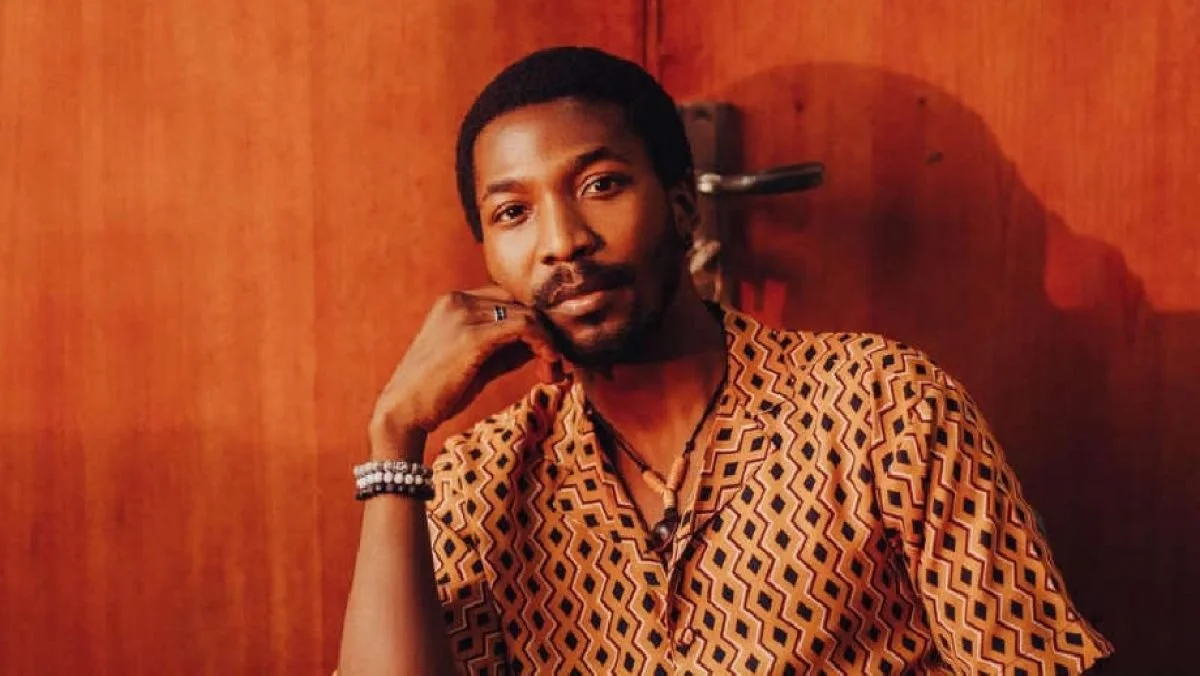
Afrobeat singer and instrumentalist Made Kuti has offered fans a rare glimpse into his personal growth and lessons learned both as an artist and as a husband.
In an interview with Saturday PUNCH, the grandson of the legendary Fela Anikulapo-Kuti reflected on his musical journey, admitting that his youthful eagerness to learn multiple instruments at once may have slowed his mastery.
“I wish I had practised more when I was younger. I regret jumping from instrument to instrument, instead of learning them one after the other,” he confessed.
For many, Made’s musical prowess — from saxophone to trumpet and bass guitar — is proof of raw talent. But his admission reveals a humble truth often hidden behind fame: that even the gifted wish they had done things differently.
The “Free Your Mind” crooner also opened up about his marriage, describing it as a bond built on shared values rather than ethnicity. Despite the country’s growing tribal tension, he said love and understanding have remained his compass.
“My family is already very mixed, and when I met my wife, it wasn’t about ethnicity; it was about values. Only during the last general elections did I notice ethnic tension, but I ignored it. I’d make the same choice a hundred times over,” he said.
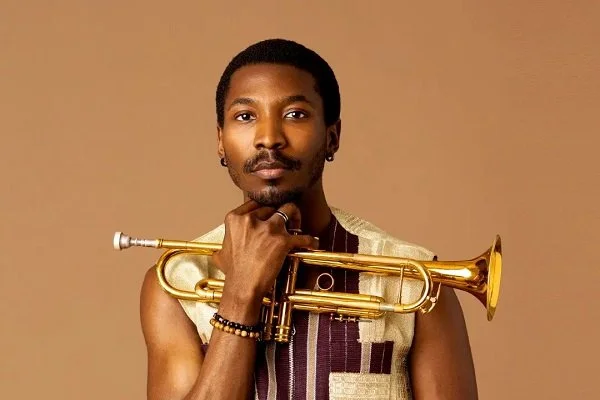
On his craft, Made spoke about the discipline required to perfect musical instruments — particularly the trumpet — which, according to him, demands relentless practice and strong mouth muscles that quickly weaken when neglected.
“Trying to master your craft is incredibly hard. Some days are good; others are really bad. The trumpet looks innocent, but it’s more demanding than the saxophone because it relies on mouth muscles that weaken quickly. If you skip practice for just three days, your sound suffers,” he explained.
Opinion: The Beauty of Growth and the Honesty of Regret
Made Kuti’s words are not just a reflection of musical wisdom — they’re a masterclass in humility. In a world where many artists prefer to project perfection, he reminds us that true mastery requires patience, discipline, and self-awareness.
His story also paints a bigger picture: that regret isn’t failure; it’s proof of evolution. It shows that the pursuit of greatness often comes with moments of reflection — times when we wish we had slowed down, focused more deeply, or cherished the process instead of rushing through it.
And on love, Made’s view is refreshing. In a country often divided by tribe and politics, he stands as a quiet example that connection built on values outlasts cultural differences. His marriage reflects what the younger generation craves — a Nigeria where love is not labelled by tribe, but defined by shared humanity.
Ultimately, Made Kuti’s reflections remind us that whether in music, marriage, or life itself, mastery is not perfection — it’s persistence.