Cubana Chiefpriest Warns Tinubu: Nnamdi Kanu’s Detention Could Cost 2027 Southeast Votes
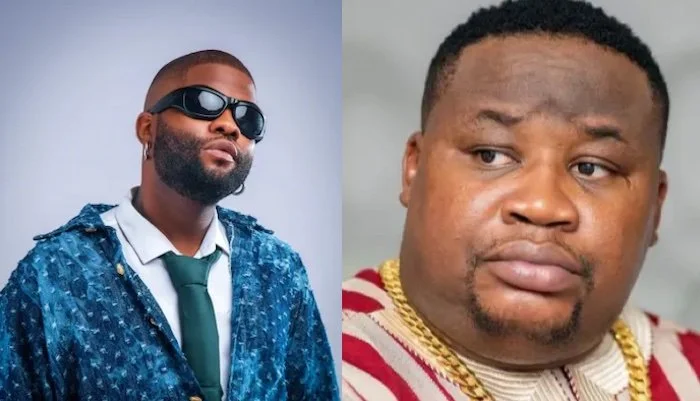
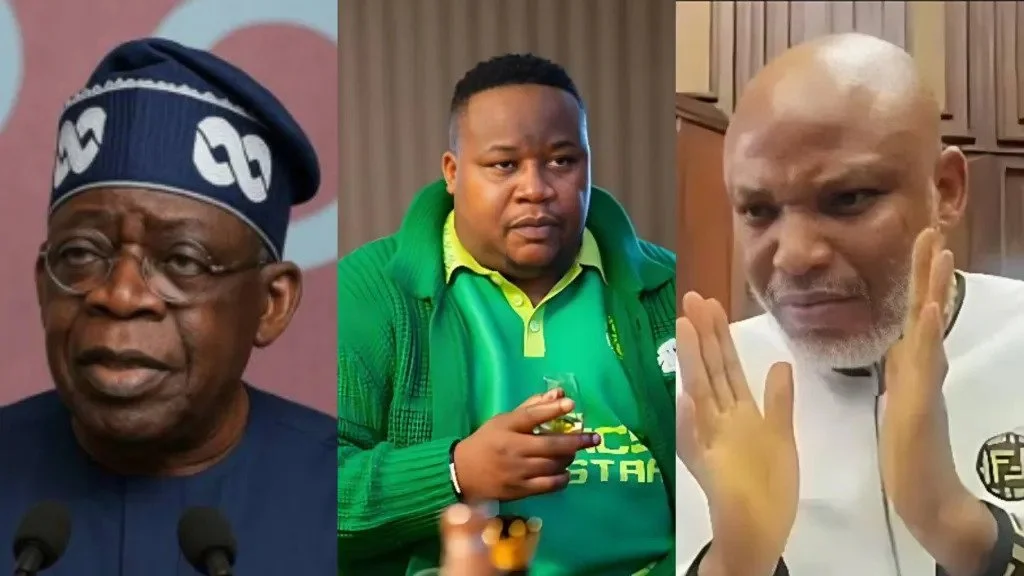
Popular socialite Pascal Okechukwu, widely known as Cubana Chiefpriest, has sent a striking message to President Bola Tinubu, warning that the continued imprisonment of Nnamdi Kanu, leader of the Indigenous People of Biafra (IPOB), could have significant political consequences.
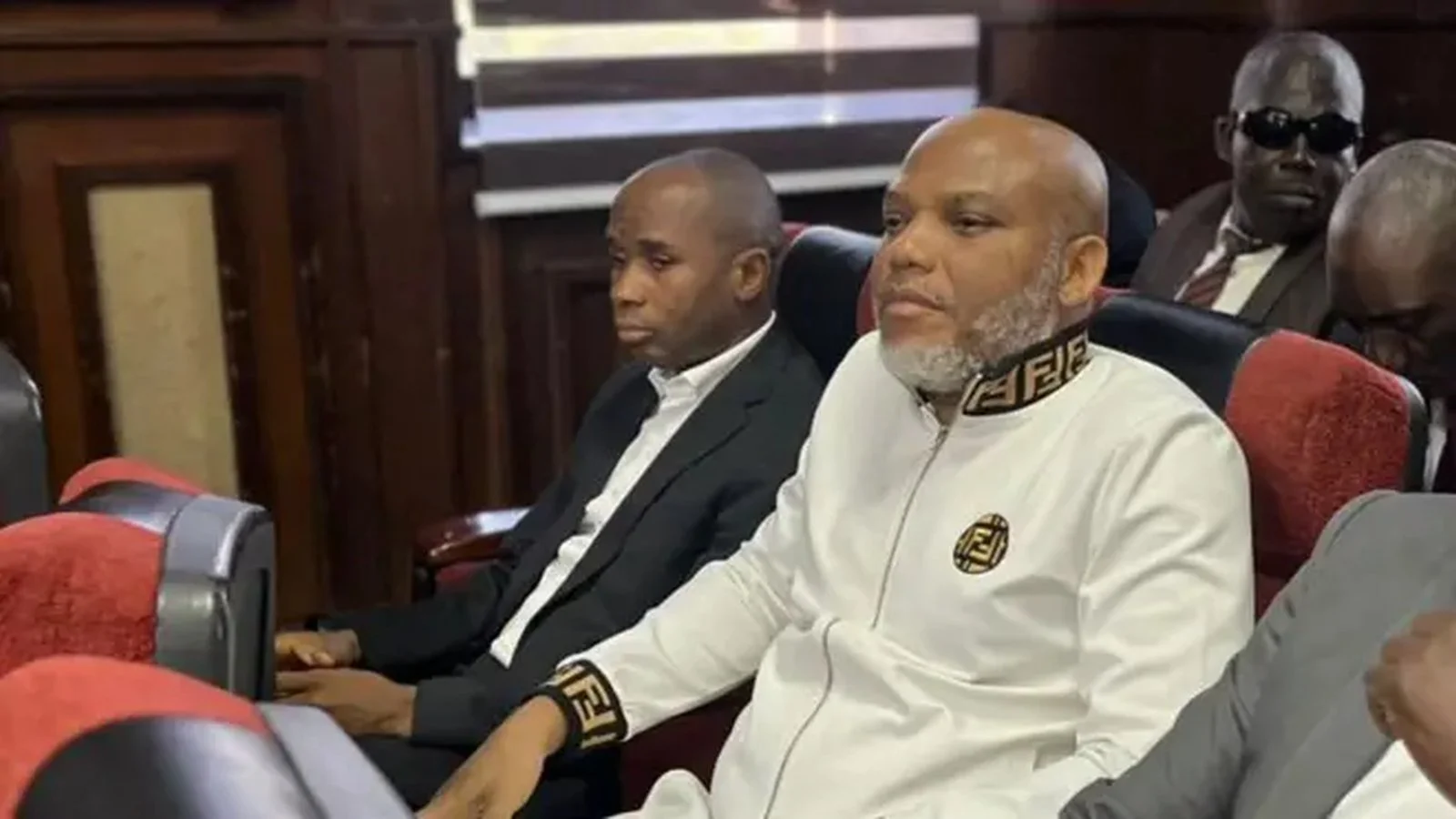
Reacting to Kanu’s life imprisonment sentence for terrorism-related offences, Cubana Chiefpriest took to social media, claiming that Tinubu “cannot and will never secure even 10,000 votes in the Southeast in 2027” as long as Kanu remains jailed.
In a lengthy post, the socialite asserted that Kanu is the “supreme leader” of the Southeast, adding that his detention has caused “so much setback” in the region. He criticised Southeast ministers and governors for allegedly failing to communicate the impact of Kanu’s imprisonment to the President.
Cubana Chiefpriest also suggested that releasing Kanu is the only way for Tinubu to gain genuine political support from the Southeast, highlighting Governor Alex Otti as someone capable of convincing people if proper steps are taken.
The statement, which has gone viral, reads in part:
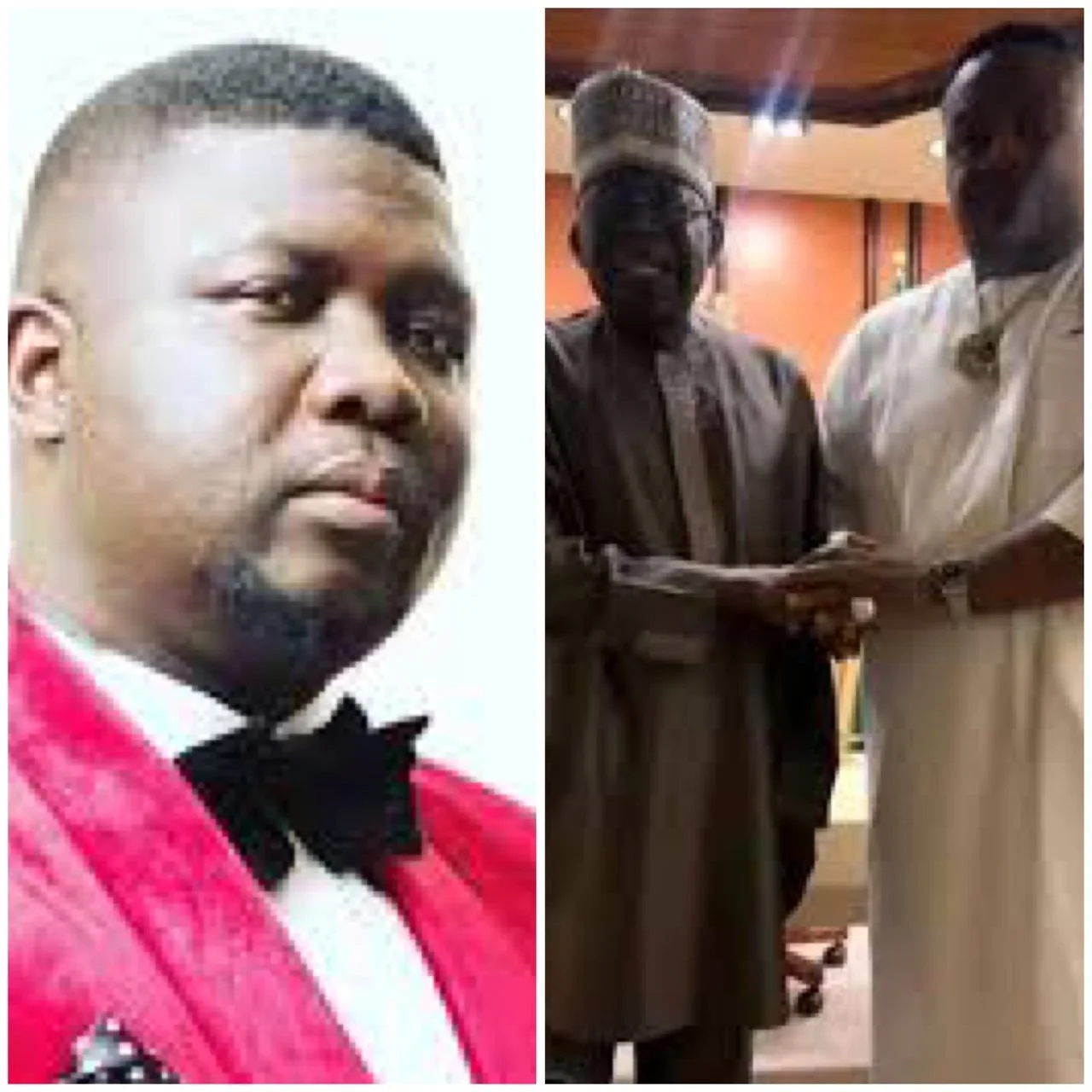
"Without MNK outside, everything shall fall into pieces. Asiwaju gave me access to the Villa, gave me my first presidential handshake & I will never forget it. Appeal this judgement & get it right or get ready to check out of the Villa come 2027. Southeast belongs to MNK."

OPINION: Cubana Chiefpriest’s Message Reflects Deep Political Tensions in the Southeast
Whether one agrees with the socialite or not, Cubana Chiefpriest’s statement underscores a pressing reality: political figures in Nigeria cannot ignore the emotional and social influence that leaders like Nnamdi Kanu hold over their communities.
The Southeast has historically played a crucial role in national elections, and popular sentiments there can shape outcomes. By publicly linking Kanu’s imprisonment to Tinubu’s political fortunes, Cubana is reflecting a broader feeling of dissatisfaction and a perception of injustice among some groups in the region.
Critics might dismiss the message as dramatic or self-serving, but it reveals a larger truth: governance and justice in Nigeria are inseparably tied to public perception. If citizens feel alienated or unfairly treated, even the most polished political strategies may fall short.
For President Tinubu, the challenge is clear — bridging gaps with the Southeast will require more than rhetoric. It demands visible, fair, and inclusive actions that address both legal concerns and the emotional weight communities place on figures like Kanu. Ignoring these undercurrents could have consequences that no campaign strategy alone can resolve.