U.S. Ambassador Invites Nicki Minaj for Talks After Her Post on Persecution of Christians in Nigeria
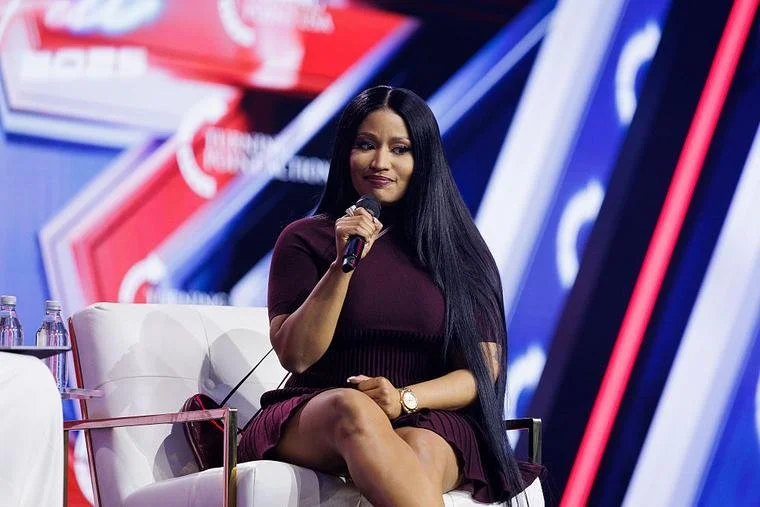
In a surprising yet powerful turn of events, Nicki Minaj, the global rap icon and 12-time Grammy nominee, has caught the attention of world leaders — not for her music this time, but for her voice on faith and human rights.
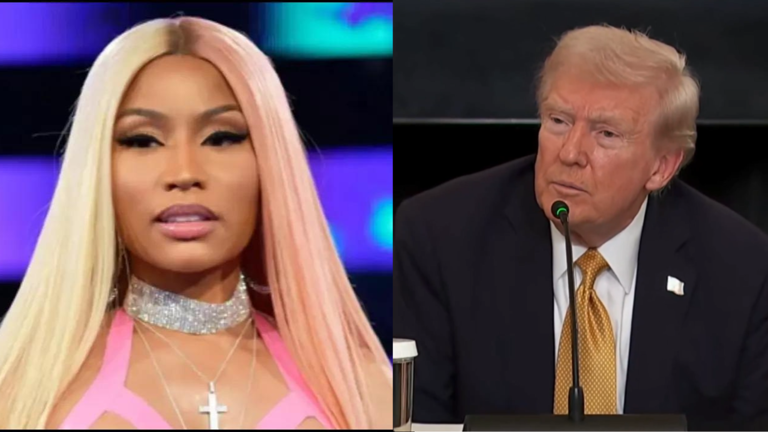
The United States Ambassador to the United Nations, Mike Waltz, has officially extended an invitation to the superstar for a discussion on the protection of persecuted Christians, following her viral post condemning the alleged persecution of Christians in Nigeria.
This development comes shortly after former U.S. President Donald Trump designated Nigeria as a “Country of Particular Concern (CPC)”, citing continued reports of violence and killings targeted at Christian communities by extremist groups. Trump also directed the U.S. Department of Defense to prepare for “possible action” against terrorist factions in the region.
Reacting to the development, Nicki Minaj took to X (formerly Twitter) to express her gratitude for the religious freedom enjoyed in the United States while voicing concern over reports of oppression faced by Christians in Nigeria.
In response, Ambassador Waltz praised Minaj’s courage and influence, saying:
“I would love to speak with you in more depth about what our administration is doing to protect Christians’ freedoms all over the world. We can’t allow this to continue. Every sister and brother of Christ must band together and say, ‘Enough!’”
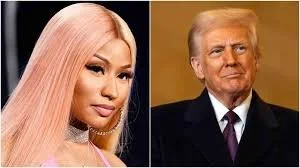
Opinion — Nicki Minaj’s Voice Shows the Power of Celebrity Influence Beyond Music
Nicki Minaj’s foray into human rights advocacy is a striking reminder that celebrity influence can go beyond entertainment — it can spark global conversations on real issues.
For years, Nigeria has battled violent extremism, with countless Christian and Muslim civilians alike falling victim to religious and ethnic clashes. But what makes this moment unique is that a global pop culture figure — not a politician or a cleric — is drawing international attention to it.
This shows how artists like Nicki Minaj, who command millions of followers across the world, can amplify voices that might otherwise go unheard. When she speaks, people — and governments — listen.
However, beyond the headlines, this also calls for responsibility and balance. While global advocacy is powerful, issues like religious conflict in Nigeria are deeply complex, involving poverty, politics, and historical wounds that cannot be solved by tweets alone.
Still, Nicki’s decision to use her influence for something bigger than herself deserves applause. It reflects a growing awareness among global artists that their platforms can bridge culture and conscience — turning fame into force for good.
In a world often divided by faith and power, it’s refreshing to see a star like Nicki Minaj use her voice not just to entertain, but to enlighten.