Pastor Paul Adefarasin: “Nigeria Was Not Created by God”
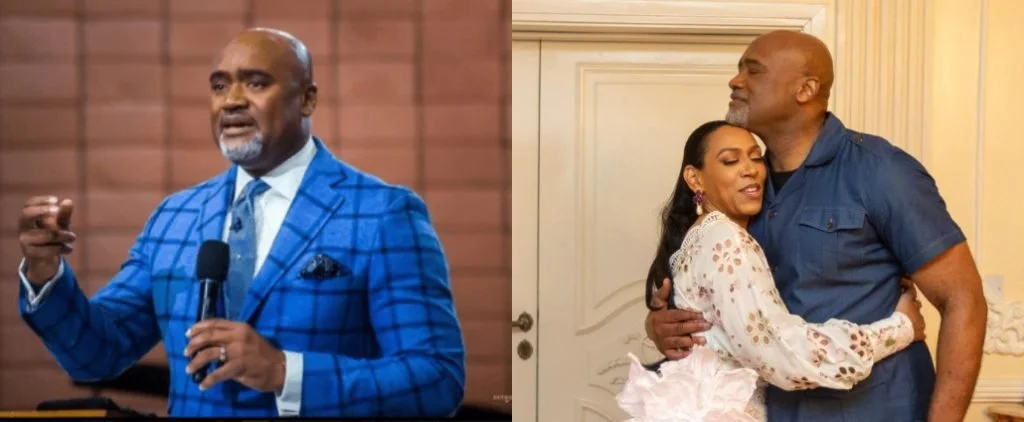
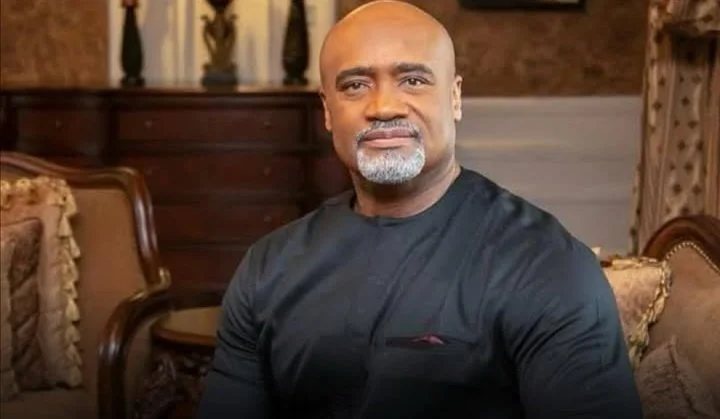
The Senior Pastor of House on the Rock Church, Paul Adefarasin, has stirred public discourse with a bold statement declaring that Nigeria’s formation was not divinely ordained but rather a construct of British colonial interests.
Speaking during his Sunday sermon, Adefarasin challenged the popular notion that Nigeria was founded under God’s will, insisting that its roots lie in colonial bargains and exploitation.
“Nigeria, I do not believe it was created by God. I don’t believe it. I believe that Queen Elizabeth got into a deal with the Ottoman Empire… As far as Africa was concerned, two empires got together and decided that this land would go to the sons of Ishmael,” the clergyman said.
He further emphasised that Nigeria’s constitution is illegitimate, arguing that it was authored by the military rather than a reflection of the people’s collective will. Quoting Psalm 11:3, he likened Nigeria’s state to “a building erected on unstable foundations,” stressing that leadership failures and corruption continue to expose the country’s fragile base.
The pastor also criticised the inefficiency of governance, citing poorly constructed roads as a glaring symbol of Nigeria’s broken systems.
Opinion: Is Nigeria Truly Built on Faulty Foundations?

Pastor Adefarasin’s statement may sound radical, but it strikes a chord with many Nigerians who often question the very foundation of the Nigerian state. His assertion forces us to reflect on whether the real problem lies not only in our present leadership but in the origin story of Nigeria itself.
The truth is, Nigeria was indeed a colonial creation, birthed not out of unity or shared vision but out of Britain’s administrative convenience and economic interests. Lord Lugard’s 1914 amalgamation was less about destiny and more about managing resources efficiently. In that sense, Adefarasin is correct—Nigeria’s foundation was political, not spiritual.
However, does this mean Nigeria is doomed? Not necessarily. While our beginning may not have been divine, what we choose to do with the present and the future can still be guided by God, vision, and collective will. Many nations across the world were born out of colonial structures yet managed to rise above those roots to define their own destinies.
Adefarasin’s call, therefore, is not just a critique—it’s a challenge. If the foundation is faulty, do we continue building on it, or do we begin to restructure and reform? His words remind us that the work of rebuilding is not only political but moral and spiritual.
At a time when citizens are burdened by inflation, insecurity, and poor governance, his sermon serves as both a rebuke and a call to action: Nigeria must confront its past, fix its foundation, and redefine its future.