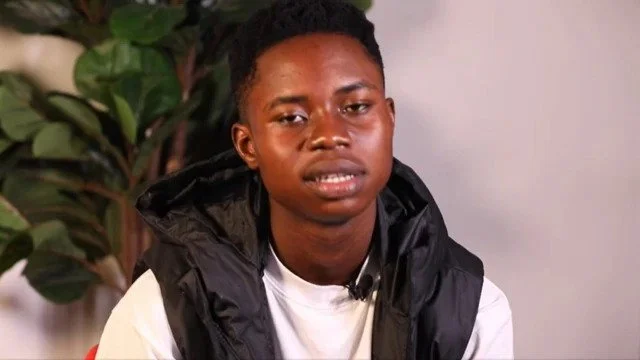
Police Debunk Peller Kidnapping Rumour, Say TikTok Star is Safe
The Lagos State Police Command has dispelled viral claims that popular TikTok creator Habeeb Hamzat, better known as Peller, was kidnapped, assuring the public that the entertainer is “safe and not abducted.”
The alarm was triggered on Thursday after a viral video circulated on TikTok, Instagram, and X, showing Peller in a heated confrontation with unidentified men around a white minibus. In the clip, the skit maker was seen questioning why a gun was pointed at him before being pulled from his vehicle. The livestream ended abruptly, fueling fears that he had been whisked away by kidnappers.
The incident sparked widespread panic online, with fans and followers calling for urgent intervention from security agencies.
However, speaking on Channels TV, Police Public Relations Officer CSP Benjamin Hundeyin described the kidnapping claims as “blown out of proportion.”
“The viral story of TikTok influencer Peller being kidnapped is not true. He is safe. There was an incident, but it was not a case of kidnapping as being peddled online,” Hundeyin clarified.
He added that Peller’s car, phones, and belongings were all intact and confirmed that the comedian was at home and unharmed. The police, however, maintained that investigations were ongoing to establish the circumstances surrounding the confrontation.

Opinion: When Virality Becomes Vulnerability
This episode is a stark reminder of how quickly social media can amplify fear. In just a few minutes, a chaotic video turned into a full-blown “kidnapping saga,” with hashtags and frantic calls for help dominating timelines. While the concern showed the deep affection fans have for Peller, it also exposed how unchecked information can spiral into mass panic.
For influencers like Peller, who live much of their lives in the digital spotlight, every moment—good or bad—can become public property. But as this incident shows, virality can sometimes become vulnerability. A shaky clip, taken out of context, can spark narratives that spread faster than the truth.
On the other hand, the swift response of the police is commendable. It demonstrates the need for balanced communication between authorities and the public in an era where misinformation travels at lightning speed.
At the end of the day, this is more than just about Peller—it’s about us. Before we share that video or forward that alarming post, perhaps we should pause, breathe, and ask: What if this isn’t the full story? Because in a world driven by clicks, caution is just as important as concern.