Georgina Onuoha Slams Ned Nwoko Over Alleged Smear Campaign Against Regina Daniels
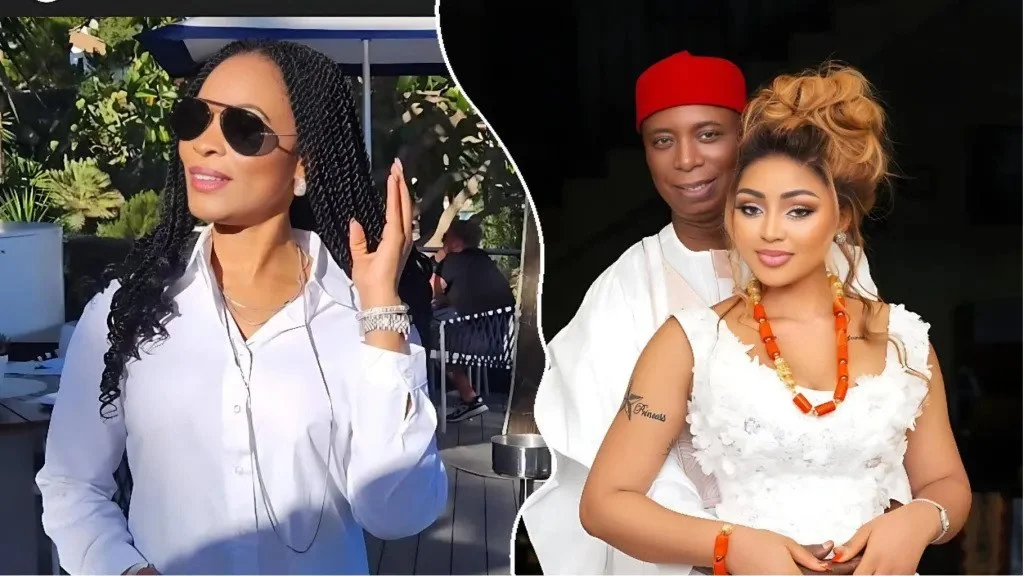
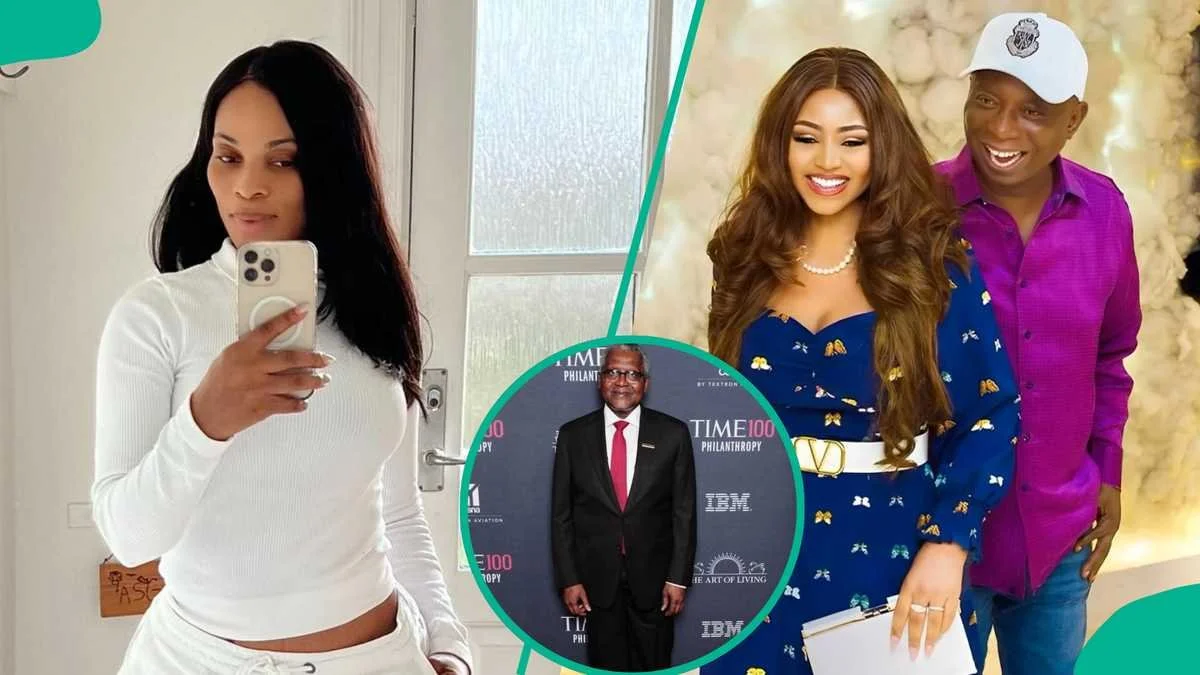
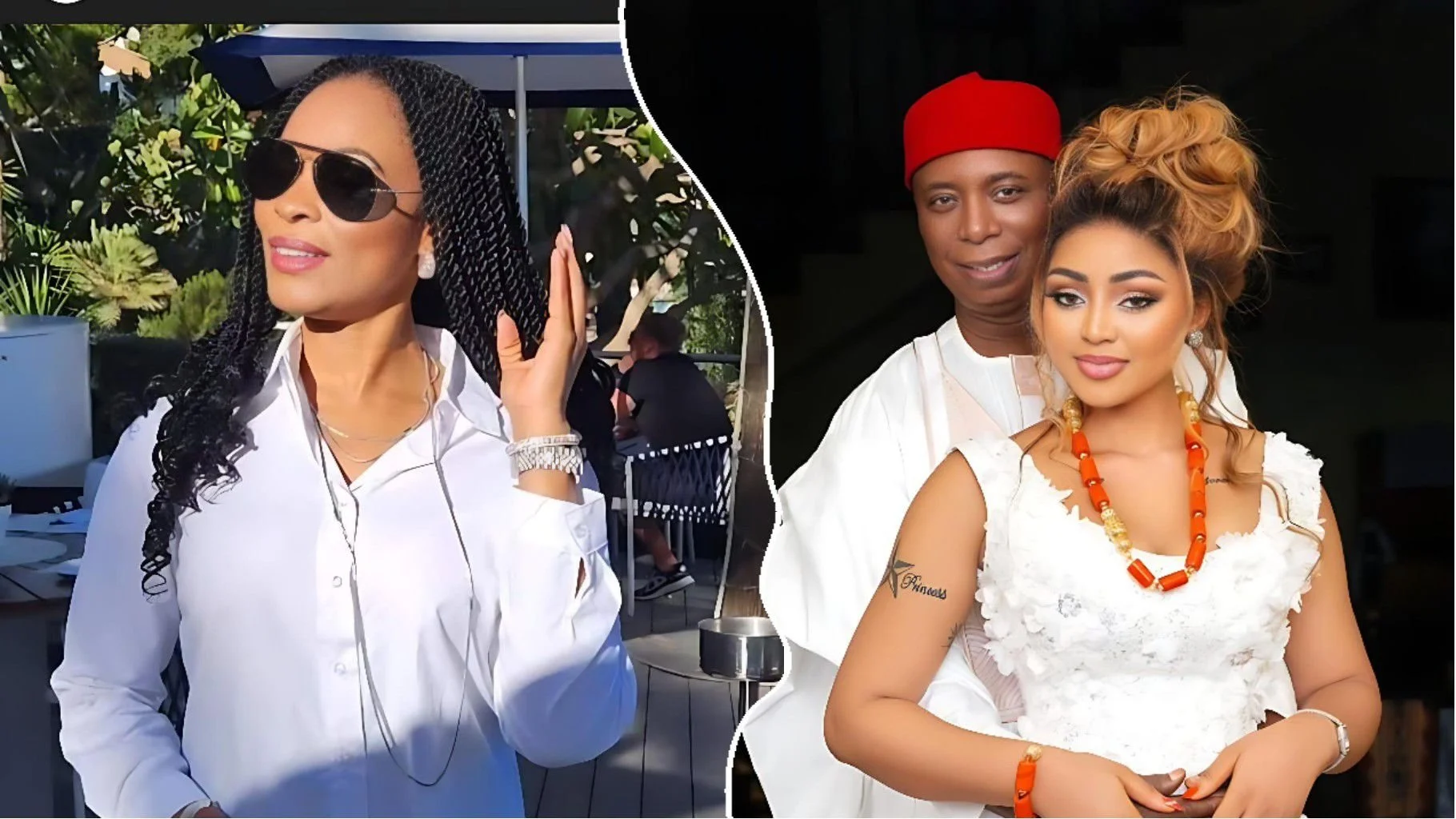
Popular Nollywood actress Georgina Onuoha has publicly criticised Senator Ned Nwoko over his repeated statements targeting his estranged wife, Regina Daniels.
The controversy began after Regina submitted herself for a drug test in the UK, which returned a negative result. Despite this, Nwoko maintained that she had tested positive for drugs in Nigeria. In subsequent statements, he shared a WhatsApp message allegedly sent to Regina, accusing her of drug use and inappropriate behaviour.
Reacting to Nwoko’s continued remarks, Onuoha described his actions as “deeply disturbing” and unbecoming of a politician. She argued that his behaviour reflects “classic malignant narcissist” traits, asserting that it seeks to control another person’s life, choices, and sense of self. Onuoha called on Nwoko to respect Regina’s autonomy, stating:
"A man nearing 70 publicly battling a 24-year-old woman… should alarm every Nigerian. She has since grown, matured, and chosen to leave a path that no longer serves her. In any free society, the right to walk away from a toxic relationship is fundamental."
She further highlighted that Regina voluntarily submitted to independent drug testing abroad and was cleared, emphasizing that false labels like “addict” can have lasting damage on a person’s reputation. Onuoha concluded her statement by urging Nwoko to end the public attacks, warning that accountability must fall where it belongs if any harm comes to Regina.
From an opinion standpoint, Onuoha’s intervention underscores broader issues around power dynamics, gender, and public accountability. The situation serves as a cautionary tale about the dangers of character assassination, particularly when one party holds significant social, political, or financial influence. It also highlights the importance of respecting personal autonomy and legal boundaries in high-profile relationships.
This public exchange illustrates the continuing intersection of celebrity, politics, and social media in Nigeria, where private disputes often become national conversations. For many observers, Onuoha’s stance is a reminder that defending integrity and autonomy is not just personal—it is a societal concern, especially when younger individuals face sustained public scrutiny from older, more powerful figures.