Veteran Actor Kola Oyewo Opens Up on Health Battle, Reveals Impact on Career
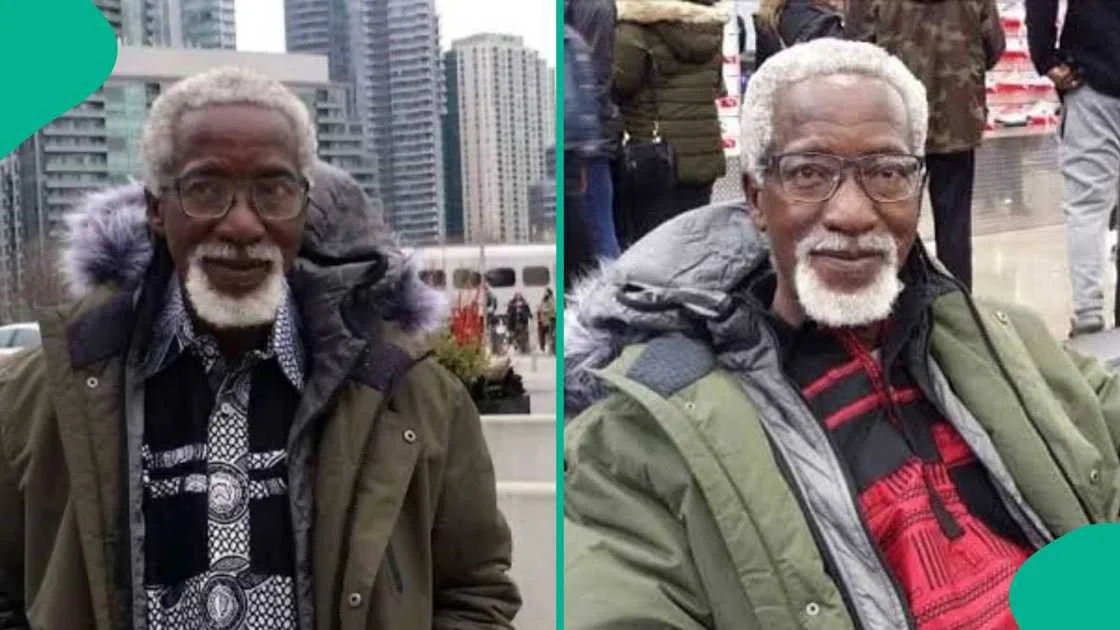
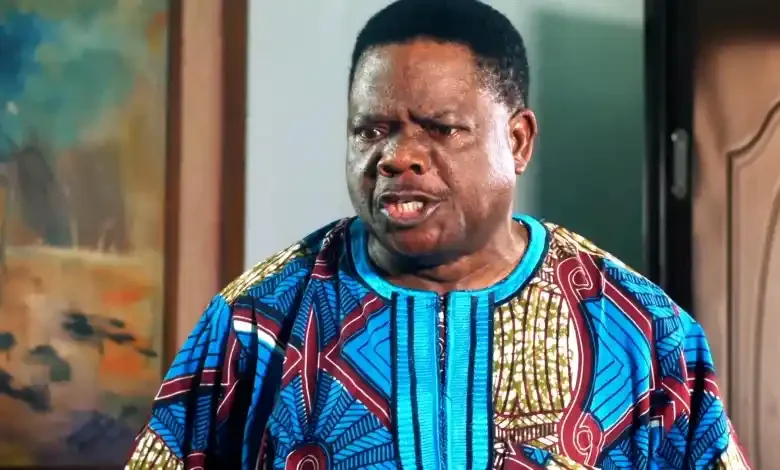
Legendary Nollywood actor Kola Oyewo has shared details of his struggle with prostate enlargement, revealing how the condition has affected his acting career.
The 80-year-old made this known during a recent visit by fellow actor Kunle Afod to his residence, where he spoke candidly about his health and reduced presence on screen.
Oyewo explained that the illness significantly limited his ability to take on demanding roles, a sharp contrast to his earlier years when he could move freely between locations and handle diverse performances.
“Before now, I could go from one location to another and play any role, but the illness has laid me back,” he said.
He recounted how the condition began with symptoms such as sleepless nights and frequent urination, which eventually led him to seek medical attention. After undergoing several tests, he was diagnosed with an enlarged prostate.
Despite the challenges, the veteran actor expressed gratitude for his recovery progress, noting that while he may not return to full strength, he remains thankful for life.
Oyewo, who began his acting career in 1964, is widely known for his roles in classics like The Gods Are Not to Blame and Sango. Beyond acting, he also served as a lecturer at Obafemi Awolowo University from 1996 until his retirement in 2011.

🧠 Opinion: A Reminder That Legends Are Human Too
Kola Oyewo’s story is both sobering and important.
In an industry that often celebrates youth, energy, and constant visibility, it’s easy to forget that veteran actors face real-life health challenges that can quietly reshape their careers.
His openness about prostate enlargement is particularly significant. Many older men experience similar symptoms but hesitate to speak up or seek help early. By sharing his experience, Oyewo is doing more than telling his story — he’s raising awareness.
There’s also a deeper lesson here about how the industry treats its legends. These are individuals who built Nollywood, yet many of them gradually fade away without enough support or recognition in their later years.
Oyewo’s gratitude, despite his condition, reflects resilience. But it also raises a question: are we doing enough to celebrate and support our icons while they are still here?
In the end, his story is not just about illness — it’s about legacy, dignity, and the reality that even the strongest voices on screen eventually face life off it.
And perhaps, it’s a reminder to value them even more.