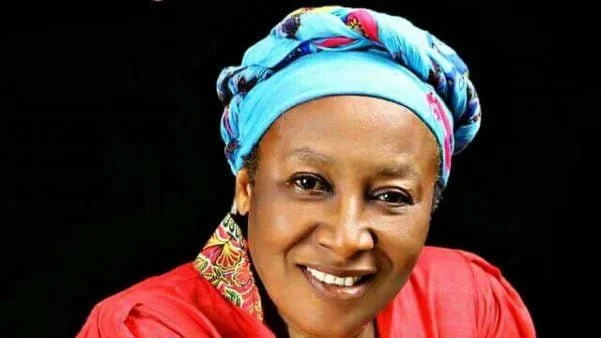
“We Work Without Royalties” — Patience Ozokwor Laments Financial Struggles in Nollywood
Veteran Nollywood actress Patience Ozokwor, popularly known as Mama G, has shed light on the financial challenges facing many actors in Nigeria’s film industry, attributing the issue to the absence of royalty payments.
Speaking during an appearance on the show Curiosity Made Me Ask, hosted by Isbae U, Ozokwor revealed that most actors receive only a one-time payment for their roles, regardless of how successful or repeatedly viewed the films become.
“The problem why you see us beg is because they don’t give us royalties. We just work and toil so hard, and then that peanut… is the only thing we get,” she said.
The actress contrasted the situation with practices in more developed film industries, where actors earn residual income from their projects long after production ends.
“Go and look at the smallest actors in developed countries. Every work they do fetches them money every day of their lives,” she added.
Ozokwor further explained that in such systems, royalties continue even after an actor’s death, providing financial security for their families—an arrangement largely absent in Nollywood.
She noted that the lack of sustainable income has pushed many Nigerian actors toward alternative platforms like YouTube, where they can directly monetise their content and retain more control over earnings.
“That’s why everyone is running to YouTube,” she concluded.
Opinion: Nollywood’s Biggest Problem Isn’t Talent—It’s Structure
Patience Ozokwor didn’t just speak for herself—she exposed one of Nollywood’s deepest structural flaws.
For an industry that produces massive content and enjoys global attention, it’s surprising that many of its actors still struggle financially after decades of work. The absence of royalties means that no matter how successful a movie becomes, the actors who brought it to life do not share in its long-term success.
This is not just unfair—it’s unsustainable.
In more structured industries, royalties reward creativity over time. They give actors a sense of security and dignity, ensuring that their work continues to provide value. Without this system, Nollywood risks burning out its talent, forcing even legends to seek alternative income streams.
The shift to YouTube is telling. It shows that actors are not just chasing trends—they are searching for ownership and control. Platforms that allow creators to earn continuously from their work are becoming more attractive than traditional film structures.
If Nollywood wants to truly compete on a global level, it must evolve beyond volume and storytelling. It needs policies, contracts, and systems that protect the people who make the industry what it is.
Because at the end of the day, an industry that cannot sustain its stars is one that risks losing them.