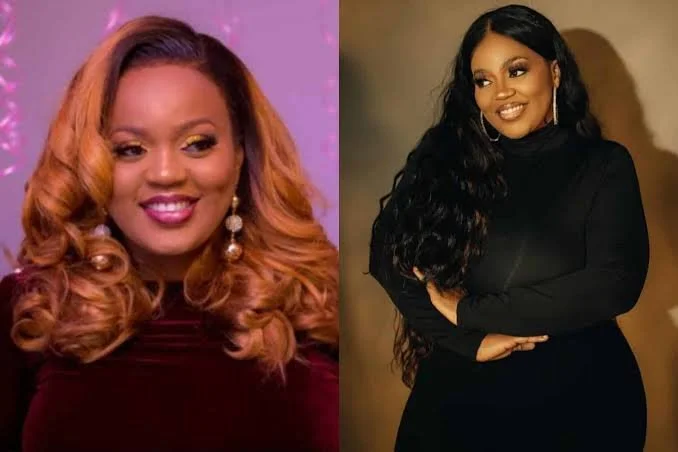
Chinney Love Sparks Debate, Says ‘Not All Firstborns Are Good People’
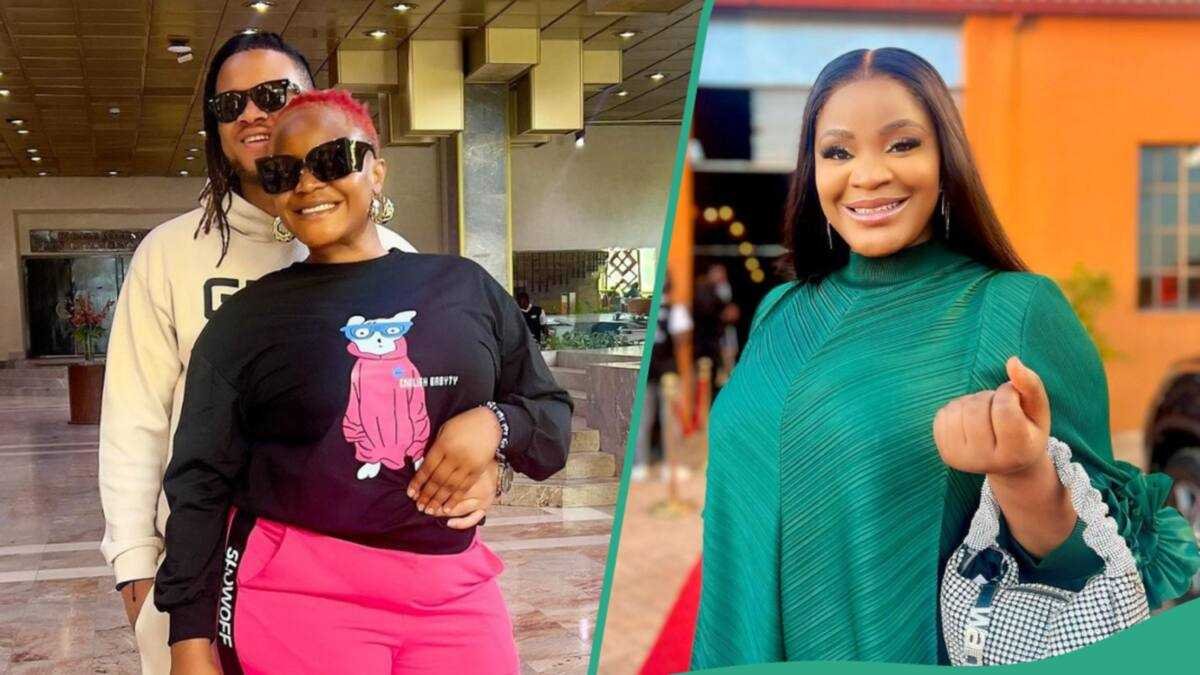
Nigerian filmmaker Chinney Love has stirred conversations on social media after challenging the common belief that firstborns are naturally responsible and kind.
In a post shared on her Instagram page, the filmmaker argued that while many firstborns deserve praise, others can be manipulative, divisive and abusive.
According to Chinney, the entertainment industry has focused too much on portraying firstborns as heroes, while overlooking stories about those who negatively impact their families.
"Not all firstborns are Monica (Good people). Some are dividers, destroyers, narcissists, bullies, and all-around really horrible people.
"One day the story will be televised! After all, that's what film is all about—to mirror life.
"We have told too many stories about the good ones (shout-out to them), but it's time to highlight the stories about the really evil ones!"
She also invited people living in Boston, Massachusetts, to contact her, suggesting she may be working on a new project.
The post comes shortly after Chinney praised fellow actress and producer Uche Jombo for her performance in an upcoming film, describing her as one of the finest performers of African mother roles.
In recent weeks, the filmmaker has also lamented what she described as the growing toxicity within the YouTube filmmaking community, saying the environment has changed significantly from when she first joined the platform.
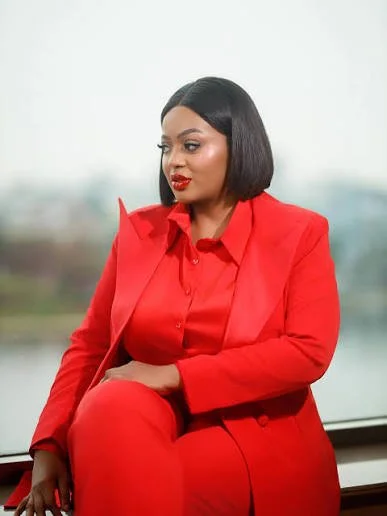
Opinion
Chinney Love's remarks challenge a stereotype that is deeply rooted in many African families—that firstborns are automatically dependable, selfless and exemplary. While her comments may resonate with people who have had difficult family experiences, they also serve as a reminder that personality cannot be determined by birth order alone.
Every family has its own dynamics, and people should ultimately be judged by their character and actions rather than where they fall among their siblings. If Chinney's intention is to tell more nuanced family stories through film, it could open conversations about family relationships that are often overlooked, provided those stories avoid replacing one stereotype with another.