Headline Inflation Is Falling. Food Inflation Has Risen Six Months Straight.
Lagos · Friday 21 August 2026
Nigeria's annual inflation rate eased to 15.43 per cent in July, down from 15.91 per cent in June. That is the second consecutive monthly fall and the lowest reading since March. In the same month, food inflation, the single largest component of the basket, rose for the sixth month in a row, from 17.52 per cent to 20.31 per cent.
Both statements are correct. They come from the same release. Understanding why they point in opposite directions is the most useful thing a Nigerian household can do with an inflation number.

The divergence, drawn
Directional, not to scale on the horizontal axis. July: headline 15.43 per cent, food 20.31 per cent.
Why the two move apart
Headline inflation is a weighted average across everything the statistics office tracks: food, housing, transport, fuel, clothing, communications, health. When the non-food components fall quickly enough, they can pull the average down even while food is rising.
That is what has been happening. Fuel prices have come off, transport costs have followed, and the exchange rate has stabilised enough that imported goods have stopped repricing every few weeks. Those are real improvements and they are what the falling headline number is describing.
Food is going the other way for reasons that have very little to do with monetary policy. Insecurity in producing areas, the cost of getting a crop from a farm to a market, storage losses, and the price of the inputs a farmer needs at planting. None of those respond to an interest rate decision within a quarter.
What this means for policy
The Central Bank has been holding a high policy rate through this cycle, and the falling headline number will strengthen the argument from those who want cuts to support growth. The Bank's own projections have the economy growing around 4.49 per cent this year with inflation moderating further.
The awkwardness is that rate policy is close to powerless against the component that is actually hurting people. Raising or lowering the cost of money in Abuja does not put more yam on a lorry from Benue. Food inflation in Nigeria is a logistics and security problem wearing an economics costume, and the instruments that would address it sit with ministries rather than with the Bank.
You cannot fix a road with an interest rate, and Nigeria's food prices are mostly a road problem.
Why it matters politically, starting now
The campaign period for the 2027 general elections opened on 19 August. For the next 150 days both of these numbers will be quoted constantly, by different people, as evidence of opposite conclusions.
The government has a genuine record to point at: two consecutive months of falling headline inflation, reserves at multi-year highs, a currency that has stopped sliding. Every one of those is true and each was hard won.
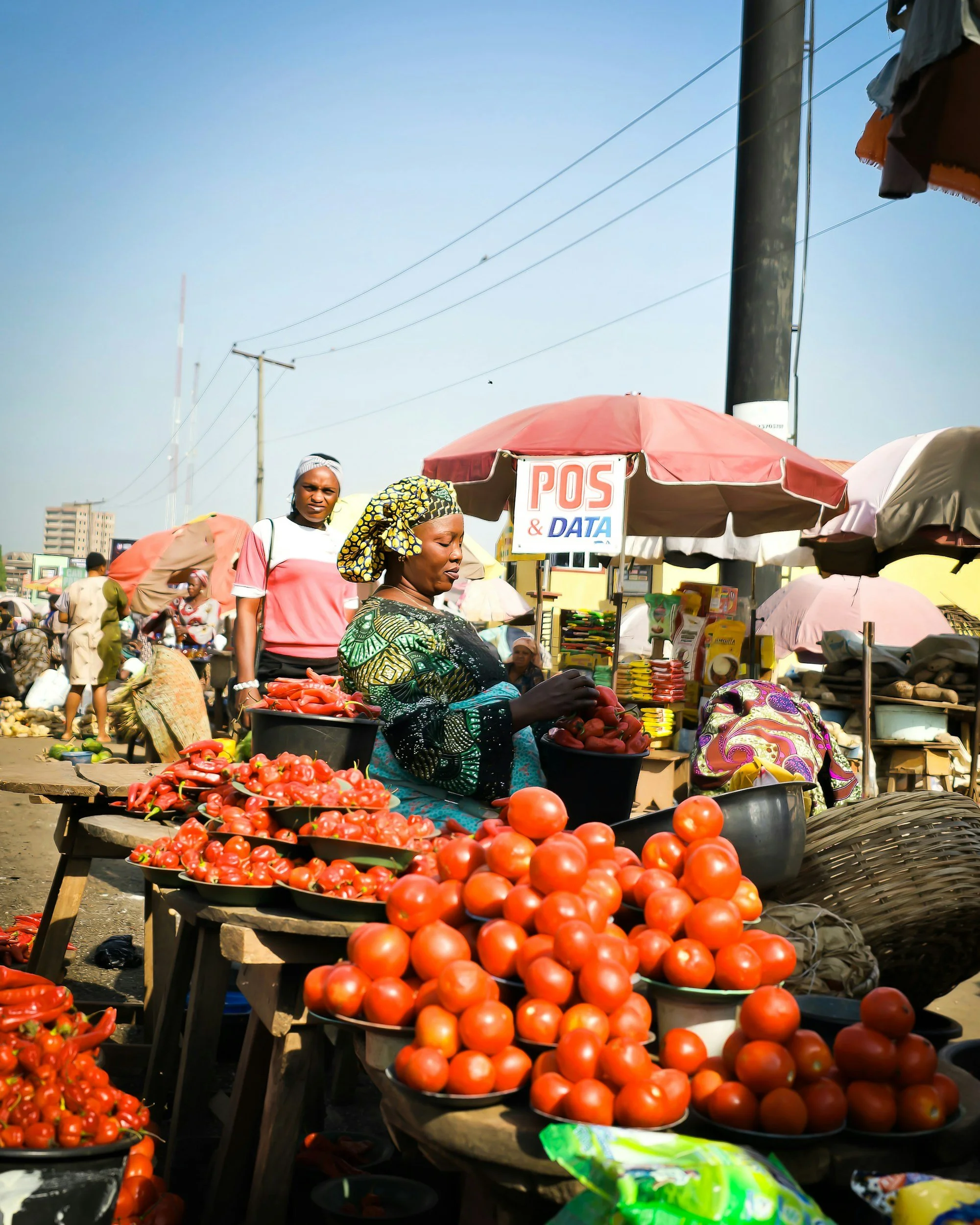
The opposition has an equally genuine one: six straight months of accelerating food inflation in a country where food is the dominant household expense. That is what a voter experiences at a market stall, and no amount of macroeconomic improvement changes what they paid this morning.
What to watch in the next release
The number that matters is not the headline. It is whether food inflation breaks its run. Six consecutive monthly increases is a trend rather than a fluctuation, and a seventh would mean the improvement in the rest of the economy is not reaching the part of it that determines whether ordinary Nigerians believe things are getting better.
The harvest cycle should help. It usually does, seasonally, around this point in the year. If it does not this time, the gap between the two lines on that chart becomes the defining economic fact of the election.
Reporting: Premium Times, Trading Economics, Central Bank of Nigeria and Gazette NG.
Read next
- Nigeria Is 62nd In The World, And Growing Faster Than Anyone
- Every State Government Holds Your Data. Most Have No Rules For It.
- Kenya Just Put A Government Stamp On A Nigerian Woman's Modelling Project
Sending money home is one thing. Sending something they can actually open is another. The Send Home boxes run from a full food shop to a digital learning kit. Naira pricing here.